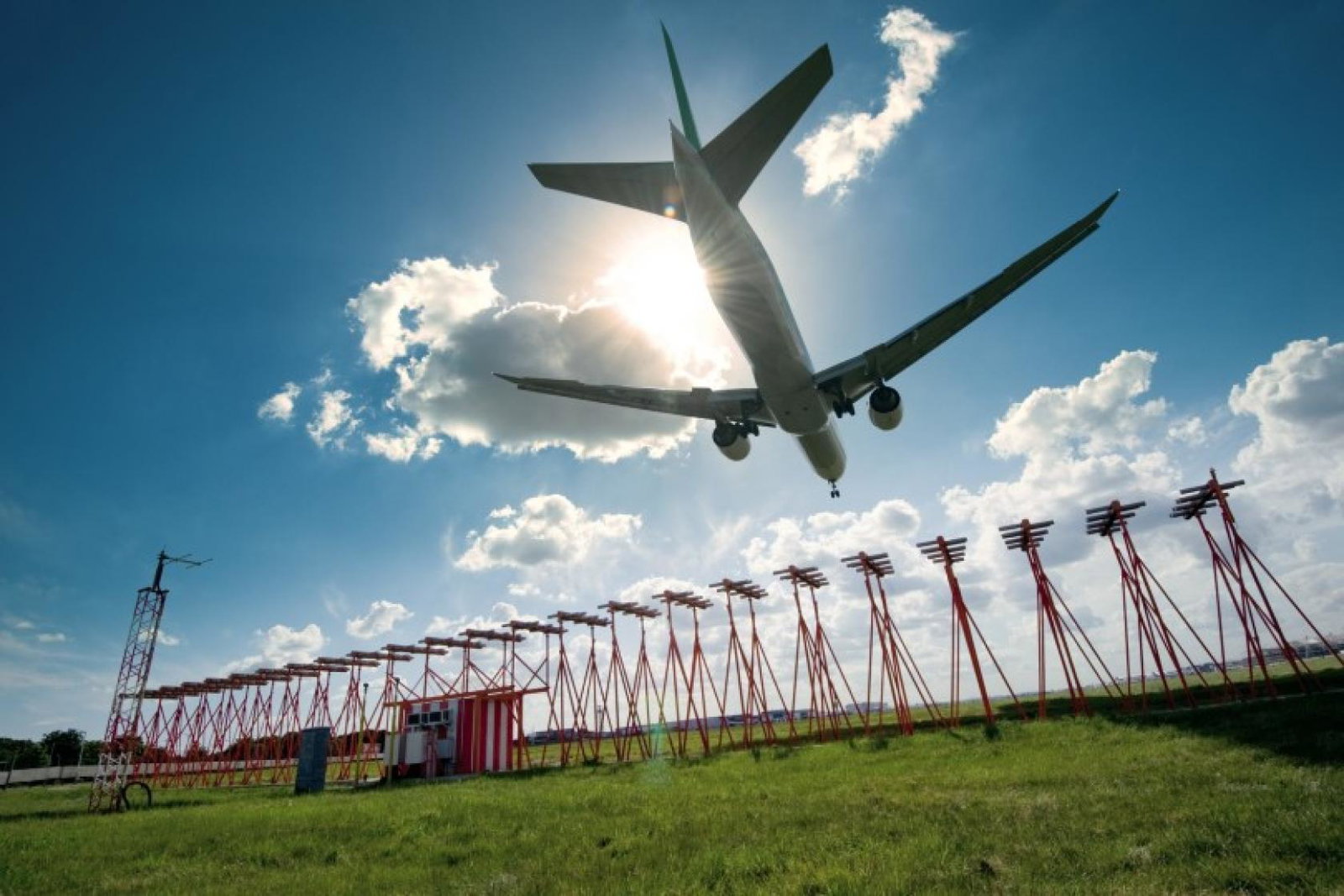
As part of its Heathrow 2.0: Connecting People and Planet plans, the airport is looking to ensure 2019 was its “peak year” for carbon emissions.
Heathrow has pledged to cut carbon from flights by up to 15% compared with 2019 and to slash “at least” 45% of on-the-ground carbon emissions by 2030.
The UK’s largest airport called on the government to “work in tandem” with it to support the plans.
This includes speeding up its Sustainable Aviation Fuel (SAF) policy and supporting Heathrow’s case for a regulatory settlement from the Civil Aviation Authority, which it claimed would enable the necessary investment to achieve its planned commitments.
Heathrow is also introducing new measures to minimise noise pollution, improve local air quality, invest more in its local communities and create a more inclusive and diverse workplace with colleague wellbeing “at the heart of the business’ priorities”.
The airport has announced an extension of the London Living Wage, with everyone working in Heathrow’s direct supply chain “guaranteed” to earn at least £11.05 per hour from the start of April, said to benefit around 1,300 employees.
A “sustainable travel zone” will also be created with a network of subsidised travel routes to and from the airport to encourage staff and passengers to take public transport and reducing congestion on local roads.
Heathrow chief executive John Holland-Kaye said the plans outlined “accelerates the shift in our industry towards a greener future”.
“Decisive action needs to be taken this decade to remain on track for net zero and 2.0 sets out the roadmap to get us there. Not only will we cut carbon, but our ambitious strategy will maintain Heathrow’s leadership in innovation, social mobility and community engagement," he added.