“There’s a DEI backlash going on…but there’s also a backlash against the backlash.” So announced travel’s leading diversity and inclusion trailblazer (and new recipient of an MBE) Jo Rzymowska as she opened the latest International Women in Travel Forum last week.
In an era where companies are vocally rolling back DEI programmes, (one in eight according to Intrepid’s Zina Bencheikh) last week felt refreshingly optimistic. Around 100 travel and tourism leaders gathering in London to not just embrace inclusion, but openly stand up for it. And while women admittedly outnumbered the men in the room, the message was clear: We can only advocate for true equality if both women – and men – are part of the conversation.
It’s a concept which Intrepid chief executive James Thornton is not only aware of, but is championing from the top. In a frank and open conversation between Alessandra LuTofo Alonso, managing director of Women in Travel CIC, Intrepid managing director EMEA Zina Bencheikh and himself, Thornton pressed home his belief in allyship. "Allyship isn’t just trying to give opportunities... it’s about trying to improve and develop existing skills and provide different ones – and that means sometimes putting people into difficult or uncomfortable situations."
It was his insistence on why Intrepid continues to invest in DEI, though, which was perhaps most powerful. “We are a bloody good business because we invest in DEI, because we invest in women, we invest in diversity, we invest in our talent. Businesses that do lean into it will become much stronger in the medium to longer [term]." If only a certain US president was listening…
But what does this all mean for travel agents? Yes, these lofty ideas are all well and good – but how are they relevant to an independent high street travel agent running a shop with three staff, or for a home-based consultant busy running their own business?
Well, as Dr Rachel Graham, founder and executive director not-for-profit conservation organisation MarAlliance reminded us, there are small ways we can all have an impact. She urged travel businesses to consider embedding contributions to charities or conservation efforts into trips.
“We talk a lot about what happens in-destination, we talk a lot about the impact and the potential for impact. But the reality is that almost nobody talks about how the money flows. And we need to start baking percentages into trips – 1%, 3%, 5% – where you know that money is going to go to female-led conservation projects or local regenerative tourism solutions. Why aren’t we just doing that?"
There were other discussions too, on the powerful role agents can play in driving change.
Carol Savage, chief executive of Not in the Guidebooks, a tour operator which specialises in immersive travel experiences, pointed out agents promoting local experiences to clients provides a win for both customer and environment (and for the agent themselves).
“It’s about showing [agents] how they can share these amazing stories with their travellers… showing them what an amazing time they’ll have — and oh, by the way, you’re doing good. You’re creating the most amazing experiences when you go on holiday… and you’re providing a revenue source for local entrepreneurs – it’s a double whammy."
Savage suggested it can go even further. “You meet people where they are, in their homes, and there’s a shift in perspective and power. I know this sounds really kind of big but it will help stop wars,” she added. “Travel builds empathy, tolerance and care.”
There’s also the key point that female consumers really matter – especially in travel.
Julia Simpson, chief executive of the World Travel and Tourism Council highlighted that women now comprise 64% of global travellers and 82% of travel decision makers in families. Yet “the majority of our boardrooms in travel and tourism companies are still run by men”.
It’s all well and good for Trump and his cronies to bang the drum for merit-based opportunities, but as Simpson pointed out: “You can’t have a meritocracy if you don’t have a level playing field to begin with.”
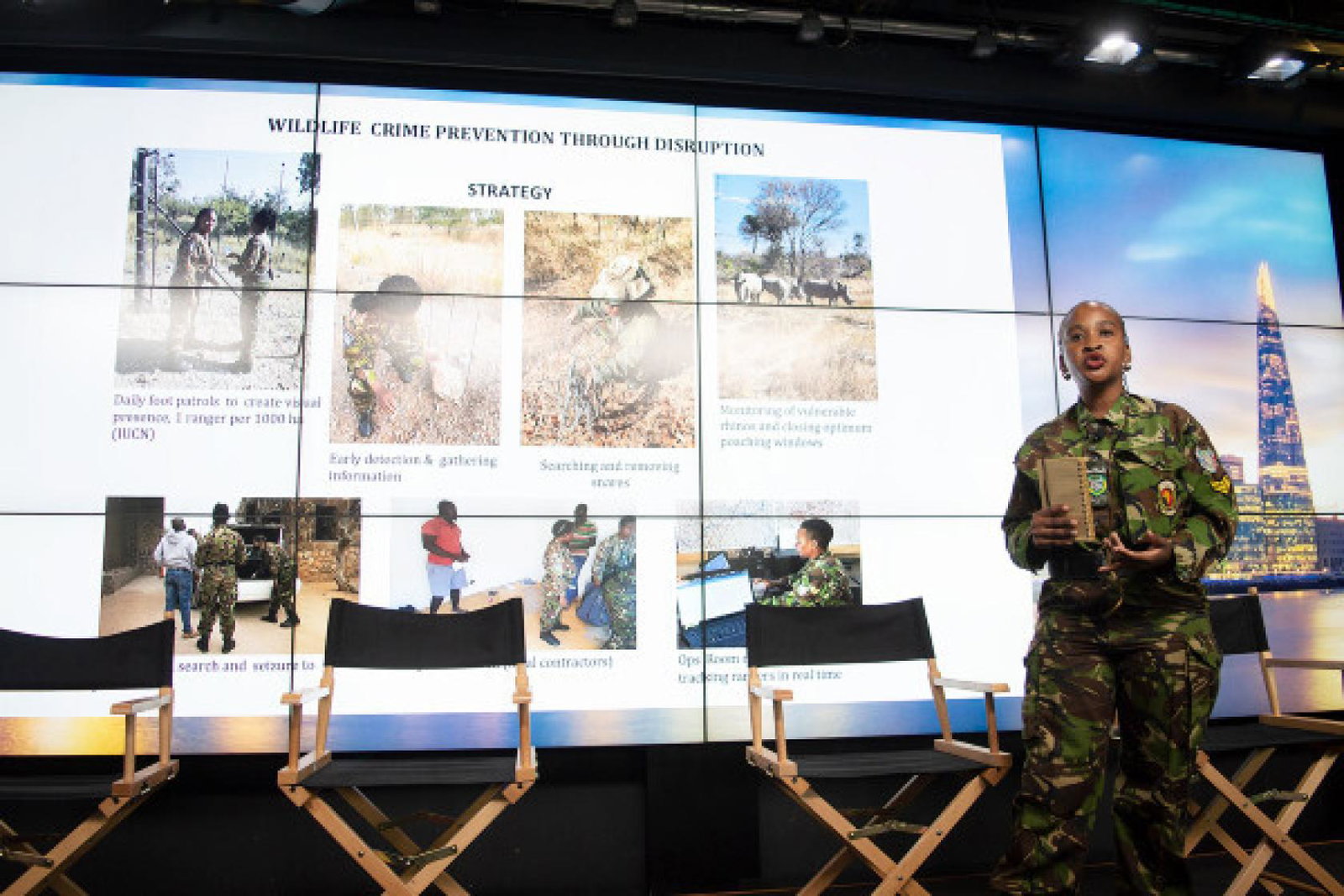
If anyone needed further inspiration, trailblazer Felicia Letang Mogakane, sergeant and media liaison officer for the Black Mambas, the world’s first all-female anti-poaching unit, perhaps put it best. "I don’t have an AK47 or muscles. I have red lipstick and gold earrings, but I can do exactly the same job as a male ranger.”
There’s still a whole lot of work to be done. Writing on LinkedIn after the event, Amy Skelding, managing partner at PR firm Finn Partners Travel UK, highlighted there were notably fewer men in the room this year, and even more concerningly added: “And the chap next to me was reading the Golfing Gazette during one of the panels – I wish I was joking.”
It’s a brutal reminder that yes we’ve come a long way, and true, so many businesses are on the journey, led by both women and men. But boy (or should I say girl,) do we have a long way to go…