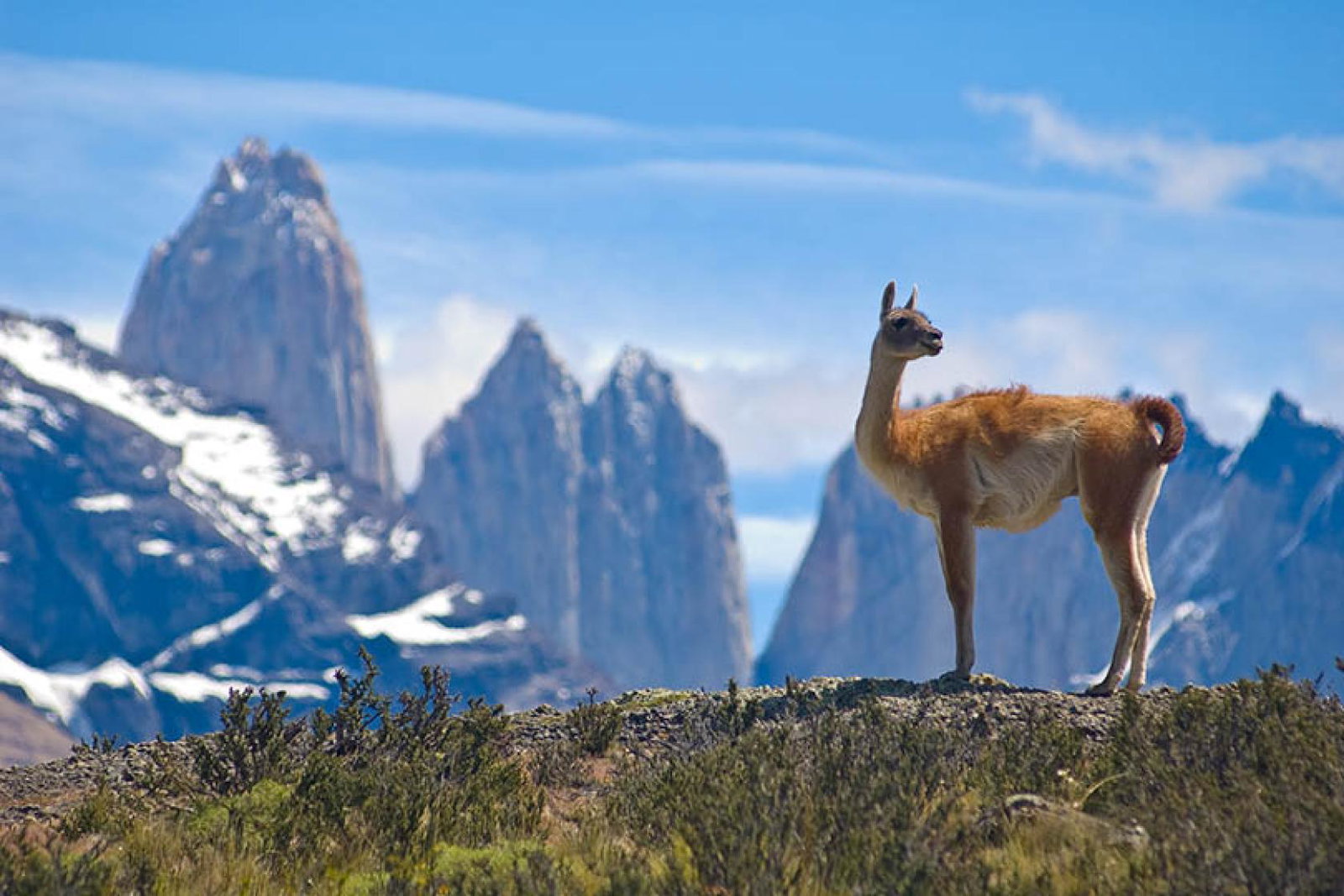
Attendees addressed the reasons why Latin America is not getting its fair share of the nature tourism market, despite being "the most biodiverse region on the planet", and offered solutions for improvement.
Latin Routes’ director Martin Johnson said its data shows Asia and Africa are the region’s biggest competitors in terms of nature tourism, and connectivity is a huge issue for Latin America, with the frequency of flights giving other destinations, such as Kenya, an advantage.

Marketing budgets have previously presented a problem in attracting new visitors, according to Belize’s tourism minister Anthony Mahler, who said: "Governments didn’t see the importance of tourism to their development, but that changed during the pandemic when 50% of GDP was missing and poverty skyrocketed."
He added Belize still does not have a direct flight from the UK, which is a big challenge, but they are currently in talks with airlines to secure better connectivity.
Ecuador’s tourism minister Niels Olsen said the department did not previously have enough budget, but now it has money to spend it is looking at how to develop nature tourism.
Ecuador’s tourism officials are currently working with the Ministry of the Environment to use conservation tourism as a model. “There are no fees to enter our national parks currently, but to make them profitable we are working to fix this,” said Olsen.
Steppes Travel’s sales director Jarrod Kyte suggested following the model of African National Parks such as Virunga in Rwanda, where visitors pay large fees for entry and benefit from the expertise of highly trained local rangers.
“The product [in Africa] has evolved into a high-value, low-volume model, which has created an air of exclusivity,” he said, pointing out that currently visitors pay $1,000 dollars for an hour with mountain gorillas in Rwanda compared with just $100 entry fee to the Galapagos National Park.
Access was also cited as a barrier to developing nature tourism in Latin America, as in Africa the infrastructure to get to nature destinations is already well developed.
Wanderlust editor Lyn Hughes suggested nature tourism in Latin America needs to evolve like it has in Australia, which did not previously value its unique biodiversity as a tourism asset. But she said it’s important that it focuses on promoting the overall experience rather than the totem animals such as jaguars.
Kyte agreed: “Unlike Africa, Latin America is about immersive natural experiences rather than having the Big Five lined up on your second day. The Pantanal is falling into the same trap as India in fixating on specific animals,” he said.