New stats for the destination reveal the average length of stay at 13 nights, during which time visitors might take five or six excursions.
Previously, when the average length of stay was nine to 11 nights, the number of excursions taken was around three.
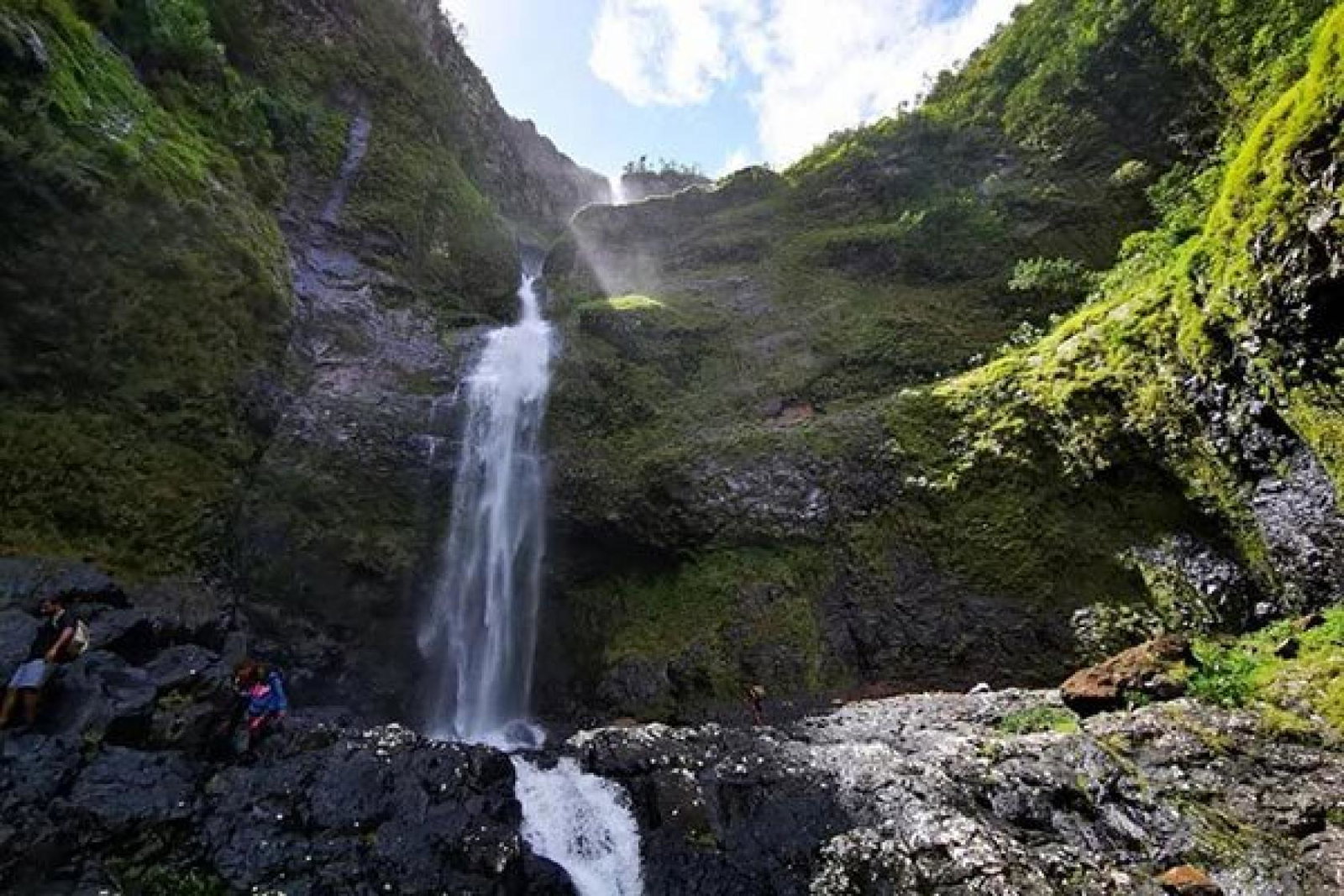
Arvind Bundhun, director for tourism, Mauritius Tourism Promotion Authority, told TTG@WTM this was proof the island’s “beyond the beach” marketing message was cutting through, with tourists now more aware of its melting pot of cultures, gastronomic highlights and wealth of nature-based activities.

“We have a lot to offer for those tourists who want to be actors, to be the star of the experience, while exploring a destination,” said Bundhun.
Although visitor numbers are close to returning to pre-pandemic levels this year, Bundhun said the focus was “on revenue, not numbers” with “average spend increasing by 17%”. “It’s been a brilliant year,” he added.
The main markets for Mauritius continue to be Eurocentric, with Air Mauritius having just launched a daily UK service from London Gatwick airport.
But the Mauritius Tourism Promotion Authority’s diversification strategy means moving forward, there will be more focus on Africa, India and the Middle East – markets, Bundhun said, “that have the advantage of travelling during the off-season”.
In particular, he sees Africa as a key factor in the growth strategy: “Africa could be a core market once we have better connectivity,” he said.
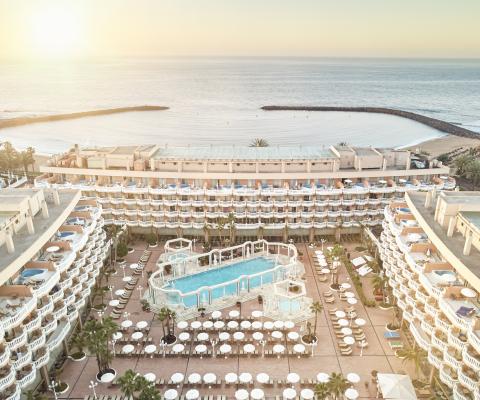
There’s also been a flurry of investment in the island’s hotel scene, with Intercontinental Mauritius recently completing a $40 million renovation project in line with the resort’s sustainability goals.
Lux Belle Mare reopened on 1 October, following fire damage, and Veranda Palmar and the Sand Suites Resort also bear fresh new looks. Meanwhile, Sunlife’s Sugar Beach has doubled the capacity of its Buddha Bar to ensure guests can make the most of the sunset experience.