The FCDO now includes wording on carbon monoxide detectors following a campaign by the Safer Tourism Foundation that prompted a debate in parliament.
The wording appears on the FCDO’s general foreign travel checklist as well as that for independent and solo travellers. It is also found on pages advising on adventure travel and volunteering abroad. References to carbon monoxide and portable detectors were previously only seen on pages covering Nepal and China.
The FCDO says: “Badly fitted equipment such as water heaters or cookers, or poor ventilation, can kill.

“Read NHS guidance on how to identify the signs of carbon monoxide poisoning. If you take your own safety equipment, such as a portable carbon monoxide detector, ensure you comply with the manufacturer’s instructions.”
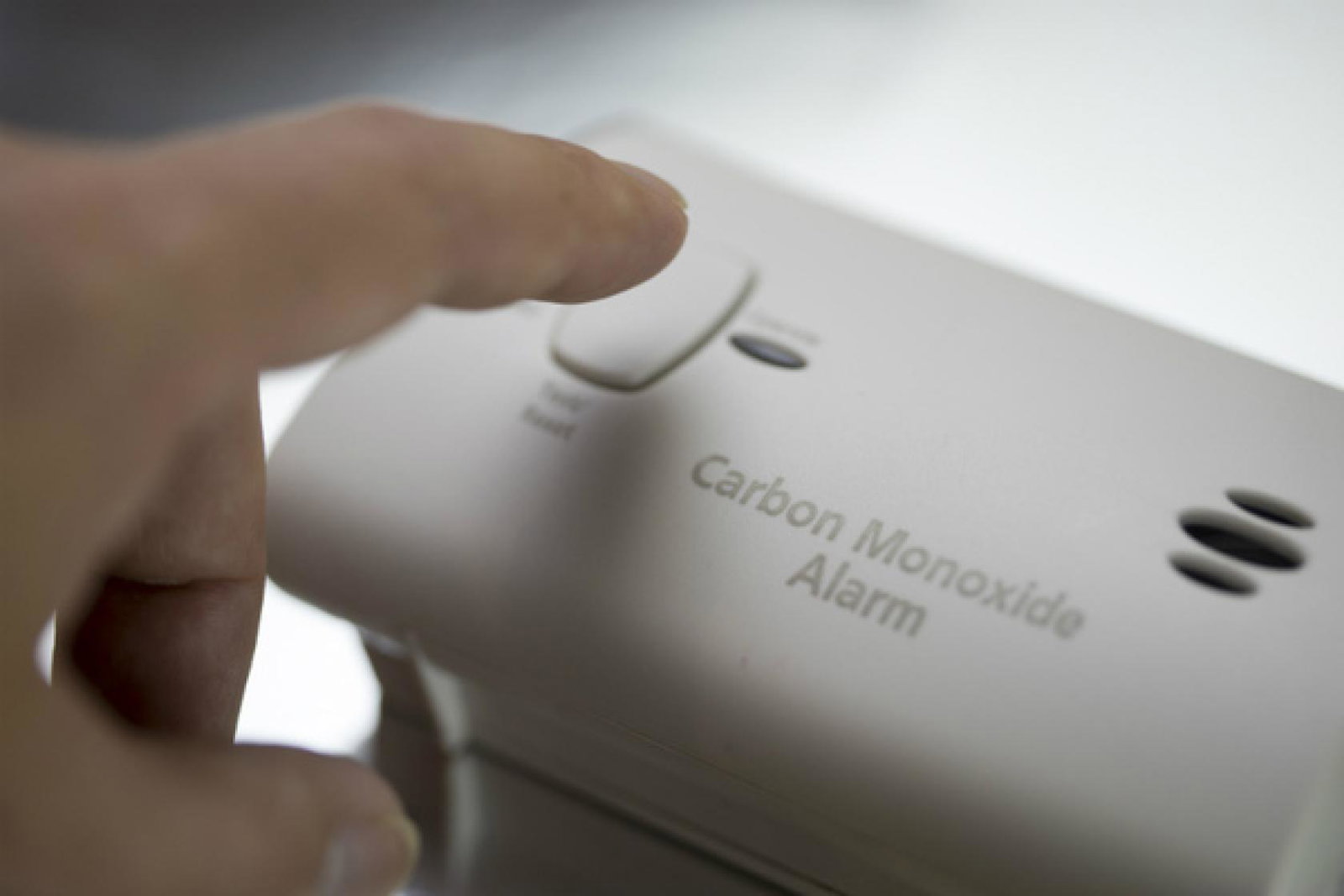
Carbon monoxide is odourless and colourless, and an electronic device is needed to warn of its presence. However, the FCDO stops short of advising travellers to carry a portable device.
The Safer Tourism Foundation described the change in the FCDO stance as a “significant victory” for its Pack Safe campaign. Pack Safe was established after a backpacker, Hudson Foley, 24, died from carbon monoxide poisoning in 2023 while travelling in Ecuador.
The issue was debated in parliament in February after the Foley family’s MP Al Pinkerton became involved. The campaign received another boost when Hudson’s mother Cathy and the Foundation’s Stephanie Boyle appeared on BBC Breakfast to discuss the issue. It resulted in more than 2,000 portable carbon monoxide alarms purchased in under a month via campaign partner Safelincs.
“This number has since increased to over 4,000 and there are talks happening to have portable CO alarms available for sale at UK airports,” the Foundation said.
Safer Tourism Foundation chief executive Katherine Atkinson said wording was changed three days after the debate in Westminster. “It’s fantastic it happened so quickly,” she said. “We’ve been wanting the FCDO to talk about it ever since we were set up, but it was really Cathy Foley’s drive and determination combined with her brilliant MP that moved it up a gear.”
Foley’s backing of the campaign continues; she is currently in Ecuador continuing to educate accommodation providers about the dangers of carbon monoxide.
Atkinson added: “In some areas it’s difficult to get accommodation owners to install alarms; in most countries there’s no law compelling you, but if consumers start asking for them it becomes market-driven, not legally driven.”
She said the issue of carbon monoxide alarms was one most people “don’t think about despite most homes having gas boilers”.
“People don’t think about it on their travels either, and that’s where agents can be so helpful – we want more people to make carbon monoxide alarms part of their regular packing kit.
“Agents are brilliantly positioned to say ‘look, you can go to the most luxury provider in the world, they will have done the checks, but boilers can fail, faults can develop, so to be on the safe side, take an alarm’.”
Safer Tourism wants the FCDO to refer to an ‘alarm’ rather than ‘detector’. “If we were writing it, we would use the word ‘alarm’; a detector makes it sound like something interesting to know, whereas an alarm is something that will save your life,” Atkinson said, adding she would also like the advice extended to all FCDO travel pages.
The Foundation was set up after the deaths of Bobbi and Christie Shepherd who died in 2006 from carbon monoxide poisoning in a Thomas Cook hotel. An inquest jury later found they were unlawfully killed. Since then, there have been many similar travel-related deaths globally, while Safer Tourism estimates there were 28,900 carbon monoxide deaths (including non-travel related incidents) in 2021.