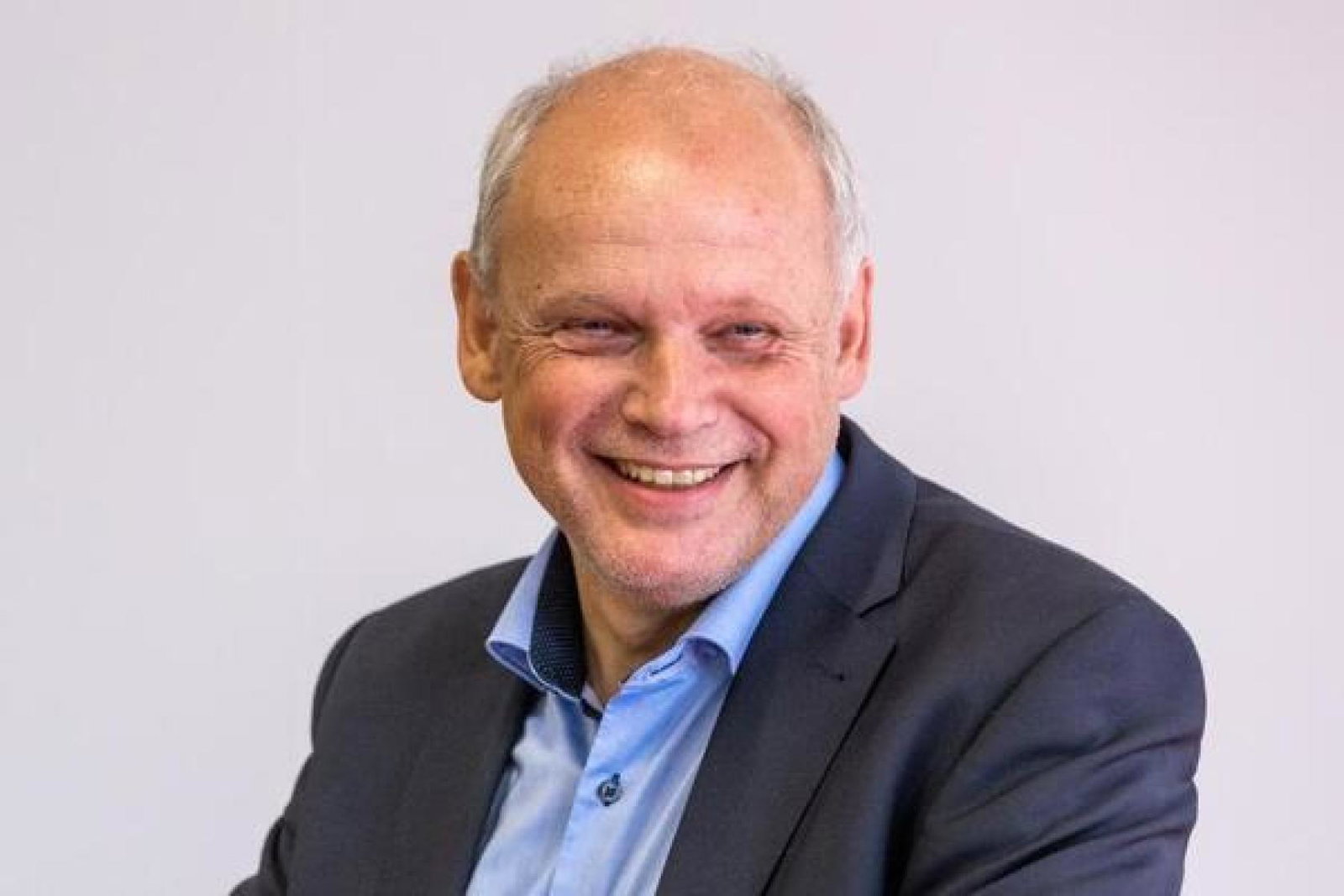
Detailing its first quarter results on Tuesday (11 February), Tui Group chief executive Sebastian Ebel said a cautious approach to capacity meant turn-of-year bookings were down.
The UK is 41% sold for summer 2025, 2% behind where it was at the same point last year.
“Bookings have been slower,” Ebel admitted. “We have been in catch-up mode for the last 10 days.” However, he added the market “has picked up quite considerably in the last few days”.
Ebel explained Tui’s new approach in the UK had affected booking patterns. “We have been less aggressive with the capacity and with the pricing," he said.
"It was important for us not to increase our fixed capacity. We wanted to increase the dynamic packaging; we have not seen the impact yet.”
He added that despite this shift, Tui’s fixed capacity was being sold “at a good margin”.
Tui launched a dynamic packaging deal with Ryanair in mid-December. Ebel said partnerships like this were good for Tui’s profitability.
"Dynamic packaging is risk-free and has good margins," he insisted. "We started with easyJet and now Ryanair; others will follow. We were a little bit late, now we are in catch-up mode.”
He compared the UK market which, until now, featured 95% in-house flying with Germany, where Tui’s own airlines carry only 50% of its clients.
“Germany has always been very dynamic, so the opportunity in dynamic packaging is more in the UK, more in the Nordics and new markets," said Ebel.
Ebel added consumers were showing signs of being more price-conscious, with value destinations like Egypt and Tunisia proving popular and average durations falling from 11 to 10 nights.
Families, he said, were “booking less or later”, while Spain was “fully booked”.
He expressed caution about Turkey. “It will be interesting to see what happens to Turkey," said Ebel. "It has high inflation, but the currency is stable, therefore prices should go up unless the currency is devalued.”