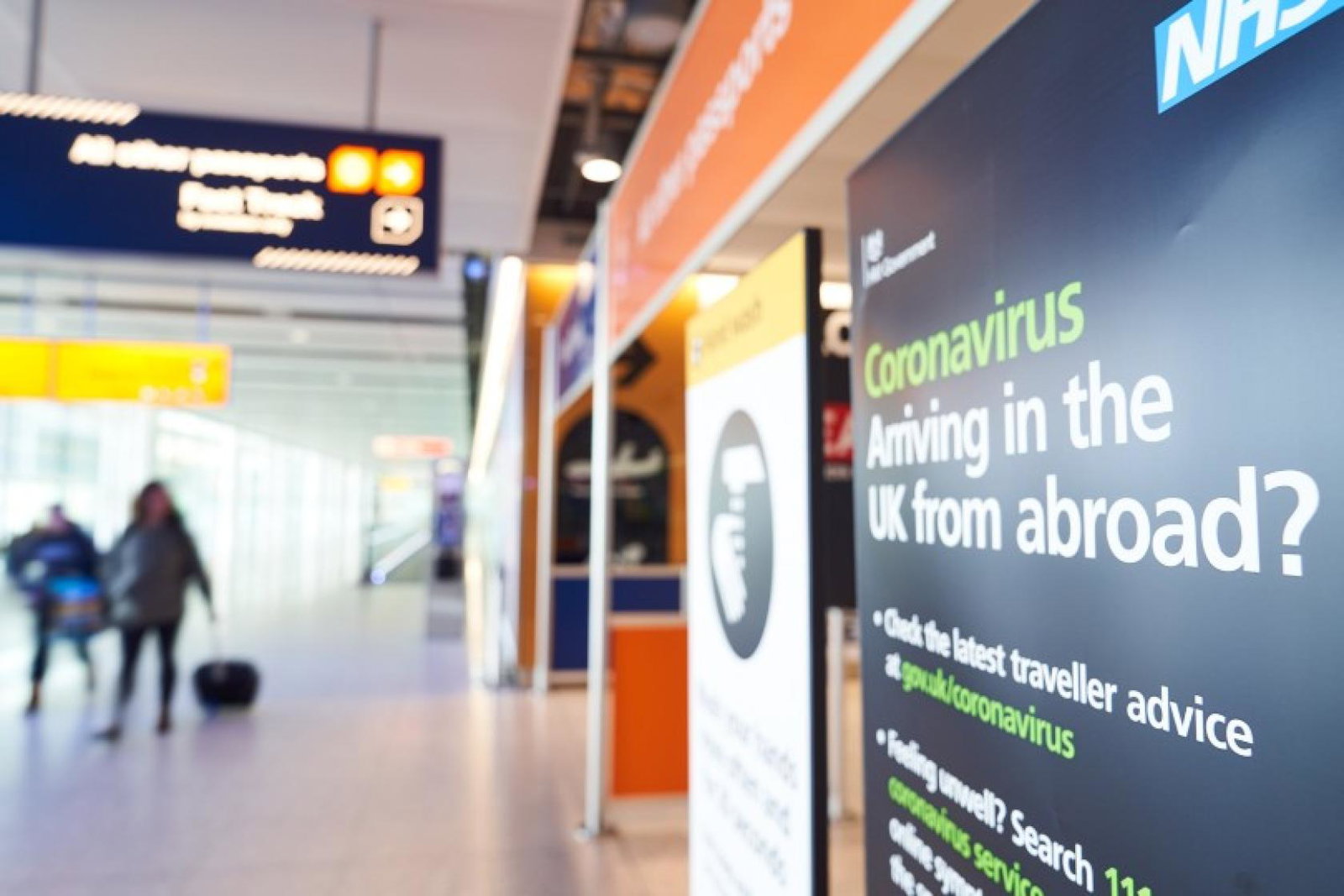
Many of these measures have been in place for the best part of two years in what has been the longest sustained curb on personal freedoms imposed by any government since the Second World War, with international travel bearing the brunt of them.
Johnson, though, said most of these rules would end in England on Thursday (24 February) marking a "transition back towards normality". However, he cautioned it was by no means a declaration of victory over Covid, adding the virus would not be going away.

The prime minister touched on several issues relating to travel on Monday, as did transport secretary Grant Shapps. This is what the government’s Living With Covid-19 strategy says about travel specifically.
Will I be affected by these changes?
If you live in England, yes. From Thursday, all the changes set out by Boris Johnson will apply to people living in England. The devolved administrations in Cardiff, Edinburgh and Belfast, though, will be free to determine their own living with Covid journey, although some degree of alignment is expected.
What are the key issues pertaining to travel?
The main issues for the travel industry to look out for is the retention of the NHS Covid Pass to allow international travellers to prove their Covid status; the retention too of the passenger locator form, subject to review by Easter; and the government’s stance on how it responds to new threats posed by Covid-19, with Grant Shapps promising proportionality.
Has the government acknowledged the pain its travel curbs have caused the industry?
To an extent. In the living with Covid plan, it says the pandemic has caused a period of "unparalleled global economic uncertainty". It also notes how restrictions to control the virus, along with voluntary changes in people’s behaviour, have reduced international travel and come at "significant economic cost".
What do the new rules say about the NHS Covid Pass?
From 1 April, the government will remove the current guidance on domestic voluntary Covid-status certification and will no longer recommend certain venues use the NHS Covid Pass. The NHS app will continue to allow individuals access to their vaccination status for international travel, as well as their recovery status for travel to those overseas destinations that recognise it.
What’s happening with hotel quarantine?
When the government emptied its red list, thus ending all current need to quarantine in a government-managed facility when returning from a red list country, it said the hotel quarantine regime would be retained in the event of future need.
In the living with Covid plan, on the subject of hotel quarantine, the government says: "Given the current state of the pandemic and a move towards global travel volumes returning to normal, the infrastructure for hotel quarantine will be fully stood down from the end of March. The government is developing options to increase compliance with home isolation in its place should quarantine measures need to be reintroduced."
Good news.
How about other travel restrictions?
For the meantime, things will continue as they are now. But the government has hinted at keeping a few measures in hand should there be a future threat posed, say, by a new Covid-19 variant.
"Previous global responses to variants of COVID-19 that targeted travel from specific countries may not always be appropriate given how quickly the virus can spread, and tailoring measures to the nature of the threat can improve their effectiveness and proportionality.
"As such, the government will have in reserve a more agile toolbox tailored depending on the nature and source of the threat, and deployed only where that high bar is crossed. The default will be to first consider whether less stringent measures are appropriate so as to minimise the impact on general travel where possible."
That sounds good – any more to add?
Yes. The government has also pledged to look more closely at international alignment, standardisation and harmony on any restrictive measures on travel relating to Covid-19.
"International travel has been severely disrupted throughout the pandemic, causing difficulties for businesses and passengers. The government will work further with international partners to discuss how cooperation and alignment of border and travel health policies can be improved.
"This approach will identify opportunities for standardisation to support global efforts to detect, manage, and respond to new health threats as well as seek to deliver as smooth an experience as possible for passengers, helping to support the recovery of the international travel sector."