








The UK’s Department for Environment, Food and Rural Affairs (Defra) last month published new standards to enhance animal welfare in Great Britain’s zoos and aquariums.
Seen as a huge step forward, zoos will no longer be regarded as places for entertainment, but instead, hubs for nature conservation, public education and world-leading animal care.
Despite these welcomed advances here in the UK, the same cannot be said for zoos – and similar attractions – elsewhere in the world.
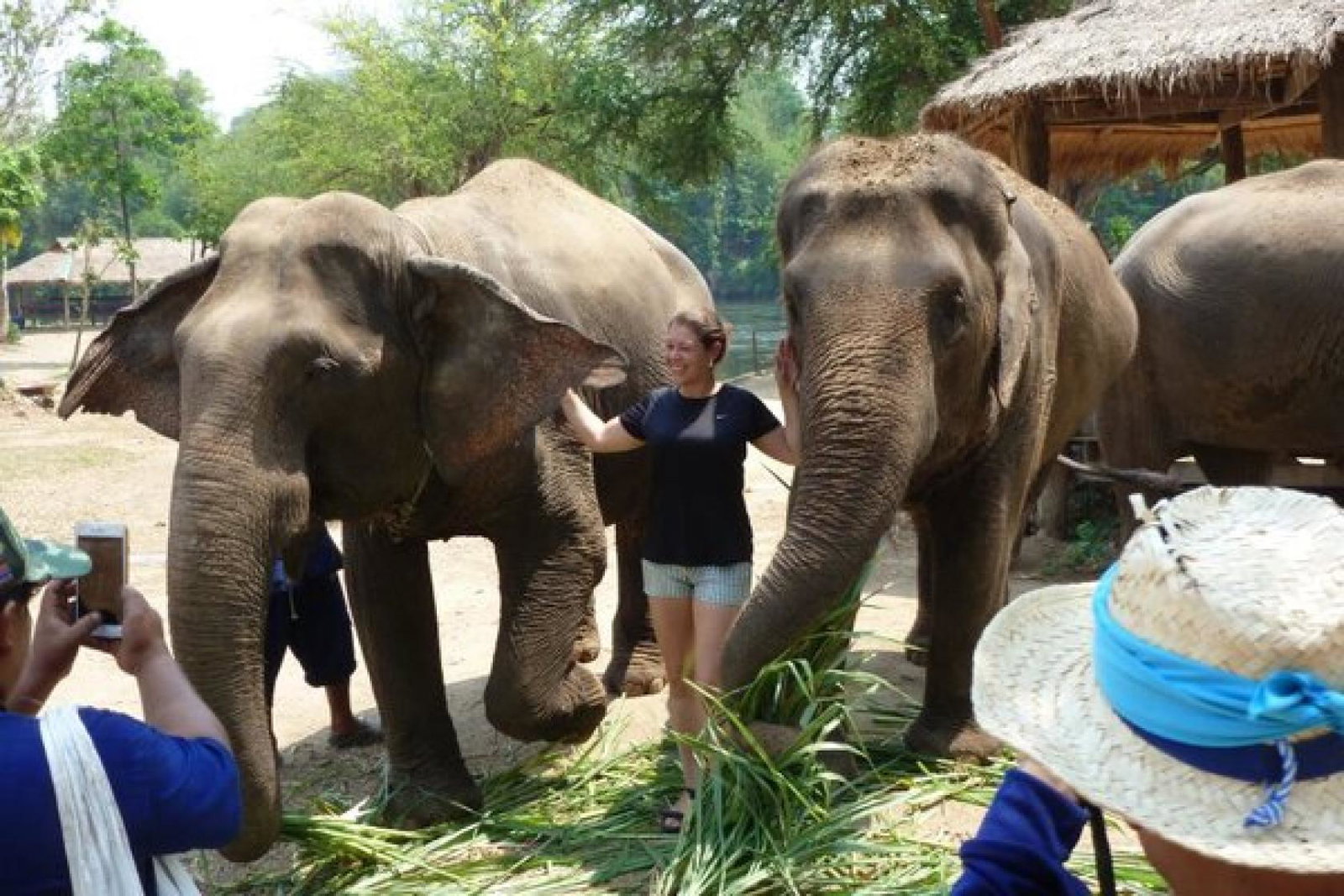
In many countries, standards in animal welfare have not progressed for decades. Animals are often subjected to inadequate living conditions, aggressive training practices and exploitative activities that result in poor welfare standards.
This is one of the reasons the UK government has also introduced the Animals (Low-Welfare Activities Abroad) Act. Enacted in 2023, it places a legal obligation on businesses not to advertise, sell or promote animal-related activities abroad that involve low welfare standards or treatment likely to cause suffering.
For travel professionals, navigating these complexities while continuing to offer clients animal activities is a significant challenge, particularly when there is so much conflicting information online.
Some tourism businesses no longer offer animal activities as a result, but with tourism demand and revenues encouraging higher standards of animal care, simply not offering these activities can cause more harm than good.
More than a decade ago, I helped draft some of what is now considered tourism’s global guide to animals in tourism. Adopted by Abta, the Animal Welfare Guidelines – which were originally created to guide the suppliers of animal attractions – have been use by tour operators around the world to refine their animal-based offerings.
They were revolutionary at the time, and while I am proud to have been part of that global momentum for change, there is a now a need to refine and update the guidance – particularly to support travel advisors.
As part of my participation in the TTG Media’s Sustainability Festival earlier this year, I devised a five-point commitment to animal protection designed to help travel advisors avoid animal neglect, suffering and cruelty.
To me, it is a minimum travel and tourism businesses can – and should – adopt. It’s something all agents and travel advisors can put to use right away.