Tourism authorities there have urged agents to maintain any promotional activity around Sri Lanka and to reassure their clients the country is ready for them as it seeks to recover from its latest bout of ill-fortune, while reminding the UK travel trade the best way to help is to continue sending tourists.
"Tourism plays an essential role in the livelihoods of Sri Lankan people,” said Malik Fernando, founder and managing director at Resplendent Ceylon. “Millions depend directly and indirectly on the sector, from hotel staff and wildlife rangers to drivers, guides, artisans and farmers.”

He stressed every visitor makes a “tangible difference”, particularly at times of crisis when affected communities rely on tourist capital to rebuild.
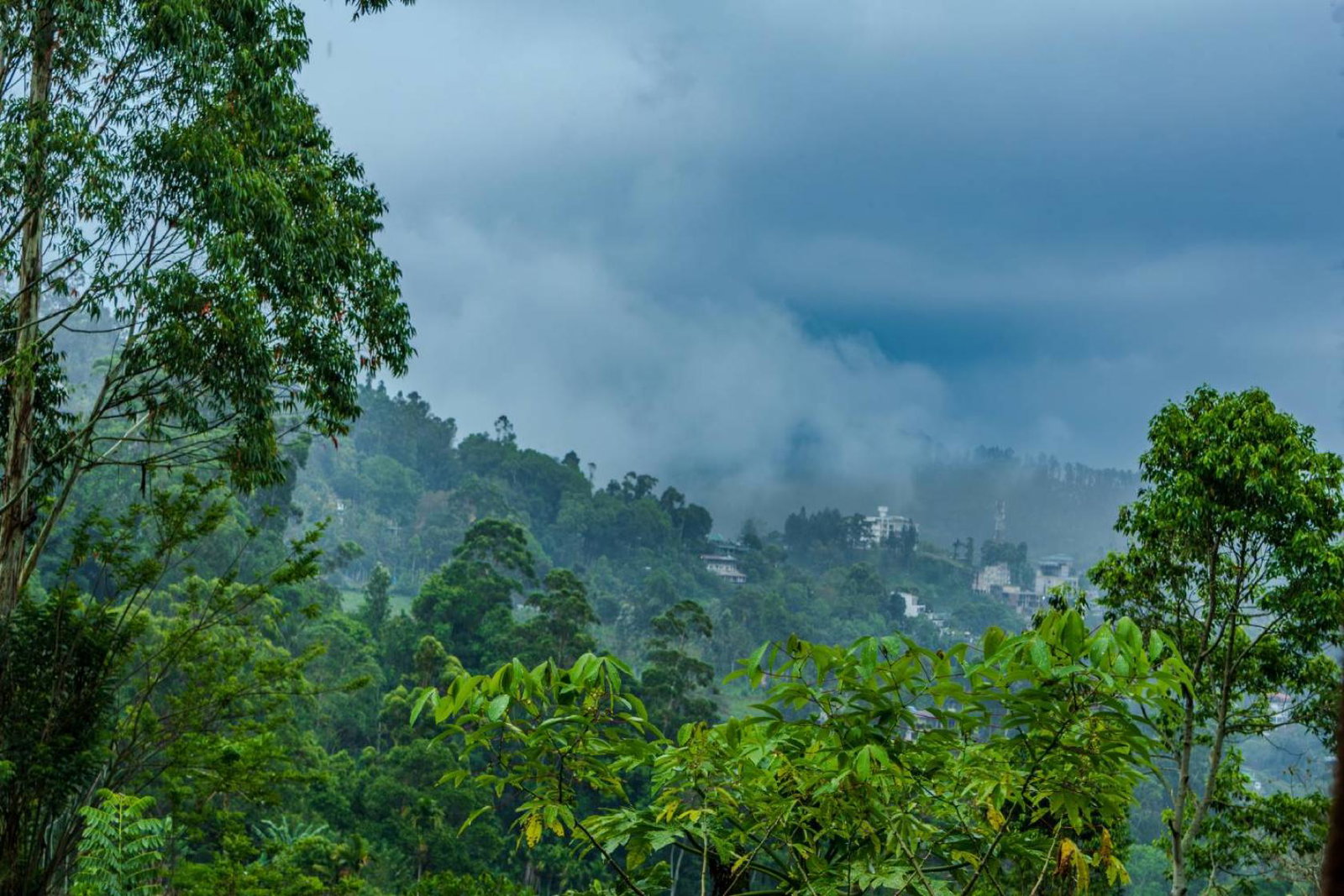
Cyclone Ditwah brought intense rainfall, flash floods and landslides to several districts of Sri Lanka last week and over the weekend, which has so far resulted in the loss of 465 lives.
A state of public emergency has been declared in the country, with president Anura Kumara Dissanayake describing Cyclone Ditwah as the “largest and most challenging natural disaster in [Sri Lanka’s] history” during a public address on Sunday (30 November).
The Sri Lanka Tourism Alliance has moved to reassure agents the cyclone was an “exceptional and isolated event”. Sri Lanka is no stranger to severe weather with two annual monsoons seasons, but Ditwah is believed to be the most severe since 1978.
Most tourism routes are open as usual, including cultural sites such as Sigiriya, Dambulla, Polonnaruwa and Anuradhapura. National parks such as Yala, Udawalawe, Bundala, Kumana and Horton Plains are also open, while Hill Country access remains available via multiple routes. All international flights to Colombo are running as scheduled.
Sam Clark, co-founder at Experience Travel Group, told TTG all of the operator's travellers have been able to continue with their holidays with "relatively minimal disruption". "We are confident the very busy season about to start will run as normal with only minor adjustments," he said. "The message of Sri Lankans is that tourists support the recovery efforts through their presence and their spending."
Travel Gallery co-founder Farzana Dobbs echoed Clark's sentiment, telling TTG that she had been working with clients to dispel any fears or misinformation. "Someone wanted to cancel a hotel booking because of all the negative coverage, but we told them there was no reason – everything is working perfectly normally," she explained.
However, Dobbs did add that some areas would remain "not recommended" for travellers for the next two weeks, including the Knuckles Mountain Range and Nuwara Eliya. "I also think it will be a few weeks before the train line is fixed," she said.
Cinnamon Hotels & Resorts has confirmed all of its affected resorts – Cinnamon Lodge Habarana, Habarana Village by Cinnamon, Cinnamon Citadel Kandy, Kandy Myst by Cinnamon and Trinco Blu by Cinnamon – have reopened and resumed operations ahead of Sri Lanka's December to March peak season.
Jean-Marc Flambert, founder of Secrets of Ceylon, was another to assure agents any remaining travel obstacles were minor. “Some roads and bridges [are challenging], with workarounds in place everywhere except Kandy to Nuwara Eliya – and that should be in place soon,” he explained.
He added agents' clients would be able to enjoy the region without witnessing any damage, save for “some fallen trees” and mudslides. “This is the best time for travel agents, as expert knowledge is needed,” said Flambert. “Guests are cancelling their online bookings and coming to you, the trade, for help.”
Flambert insisted Sri Lanka's tourism industry, including its hotels and DMCs, were “on hand” to support agents.