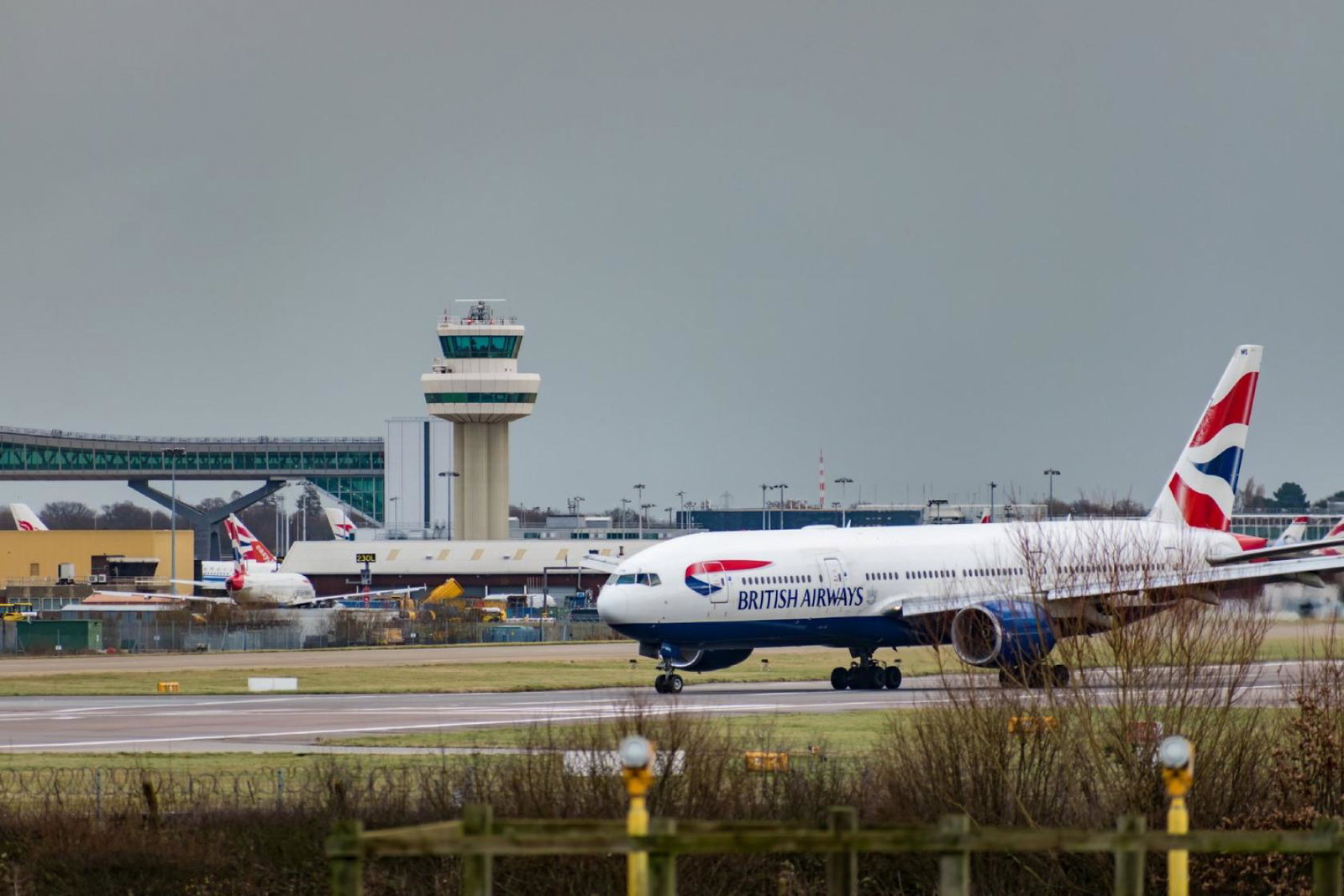
Transport secretary Heidi Alexander has given Gatwick permission to bring its standby runway into permanent use for departing short-haul flights. The £2.2 billion project will mean repositioning the second runway 12 metres to the north, work that could be completed within four years.
The extra runway means Gatwick could potentially double passenger numbers to 80 million via almost 190 extra flights a day once it is fully operational. Extensions will also be built to both North and South Terminals within the existing airport footprint.

"Expanding Gatwick airport is the right thing to do," said Alexander. "Along with new jobs for the area, this project will bring significant national economic benefits, helping deliver our Plan for Change."
Campaign group Cagne - Communities Against Gatwick Noise Emissions – said it was preparing a judicial review funded by residents and environmental bodies.
Cagne argues environmental concerns have been ignored and some aspects of the scheme will come at a cost to taxpayers, although the airport is funding the building costs.
“We know this government cares little for the environmental impact aviation is having on our planet and Gatwick’s neighbours, but not to demand that Gatwick pays for the infrastructure, the onsite wastewater treatment plant and noise impact is unlawful in our book," said the pressure group.
It further argues the bill for some aspects of the project “will be handed to the local authorities and in turn taxpayers”.
“When the residential roads are sewage flowing and congested traffic reduces the air quality, we hope the government will have deep pockets to bail out local authorities who will have to fund these ramifications," it added.
Cagne also said noise would be a major issue for local residents, but the government has stipulated the airport must pay affected households’ triple glazing costs.
Homeowners beneath the flight path who choose to sell will have costs paid, although this may not be enough to compensate for a drop in value of their property.
The government said it was “minded to approve” the plan in February but has taken until now to specify how the airport must mitigate the effects of growth.
Gatwick said it would comment after it had examined the detail of the planning consent.
'Backing the builders'
Permission brings Gatwick’s long quest to expand to a conclusion. It had previously fought for the right to enlarge but lost out to Heathrow in 2015 after the Airports Commission backed expansion of the main London hub instead.
Once operational, the main runway will be reserved for all arrivals and for long-haul departures. Gatwick has been successful in attracting many new long-haul airlines since the pandemic, with Singapore Airlines, Ethiopian, Gulf Air and Delta among them.
Chancellor Rachel Reeves added: "We promised to kickstart the economy – and we are. A second runway at Gatwick means thousands of more jobs and billions more in investment for the economy.
"We are backing the builders, not the blockers to build an economy that works for working people."
'Significant opposition'
Planning law specialist Lee May, partner at DMH Stallard, said any opponents now had six weeks to challenge the Development Consent Order in the High Court.
"The project has faced significant opposition from environmental campaigners and some local residents, with concerns being expressed around how the proposal fits in with the government's commitment to minimising carbon emissions and the impact on local residents through noise, air pollution and additional traffic generation," said May. "So it is possible that legal challenges will be brought.”
May said these would be given high priority due to the national significance of the project. "But with the possibility of further appeals to the Court of Appeal and eventually to the Supreme Court it may be many months before a final decision is reached and work can get under way," he added.