Prime minister Sir Keir Starmer on Sunday (1 March) confirmed there were at least 200,000 British citizens in the region, including residents, holidaymakers and transit passengers.
It follows US and Israeli strikes on Iran at the weekend, which killed the country's supreme leader Ayatollah Ali Khamenei. Iran has retaliated with missile and drone attacks on western allies in the region, including the United Arab Emirates, Qatar, Bahrain and Kuwait.
Starmer said the UK government would do everything in its power to support people stranded in the Middle East. Many have been told to shelter in place while the skirmishing continues.
The Foreign Office is advising against all but essential travel to the UAE, Qatar, Bahrain and Kuwait, while those in Jordan, Oman, Lebanon and other countries in the region have been warned of heightened regional tensions.
This includes Cyprus where the RAF's Akrotiri air base was hit by a drone strike on Sunday. The Ministry of Defence confirmed the impact, while the president of Cyprus said it was an Iranian drone.
The Guardian and other national titles, citing government sources, report ministers are looking at various evacuation options – including overland – given many countries have closed their airspace.
Starmer has asked all British people in the region to register their presence with the Foreign Office, with nearly 100,000 having so far done so. More than half are understood to be in the UAE, one of the countries that has shuts its airspace.
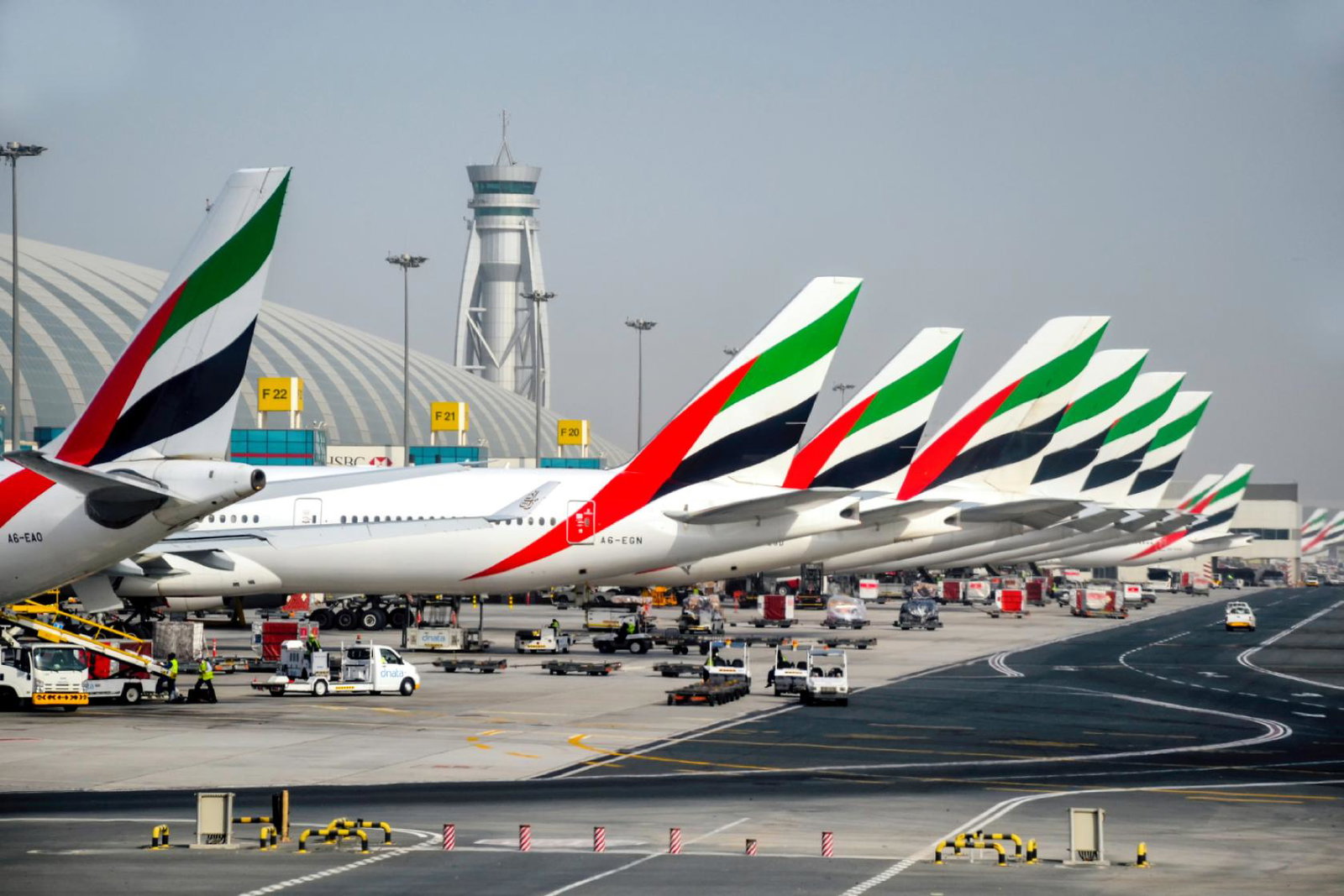
Flight operations at Dubai's two international airports – Dubai International and Al Maktoum International – have been suspended. Flights have also been halted at Abu Dhabi's airport and at Doha owing to the closure of Qatari airspace.
It follows an attack on Dubai International airport at the weekend, while a fire at the Fairmont The Palm hotel in Dubai is understood to have caused by debris from an Iranian air strike.
Sign up to the TTG Daily newsletter
Receive the latest travel trade stories, insights and analysis every weekday.