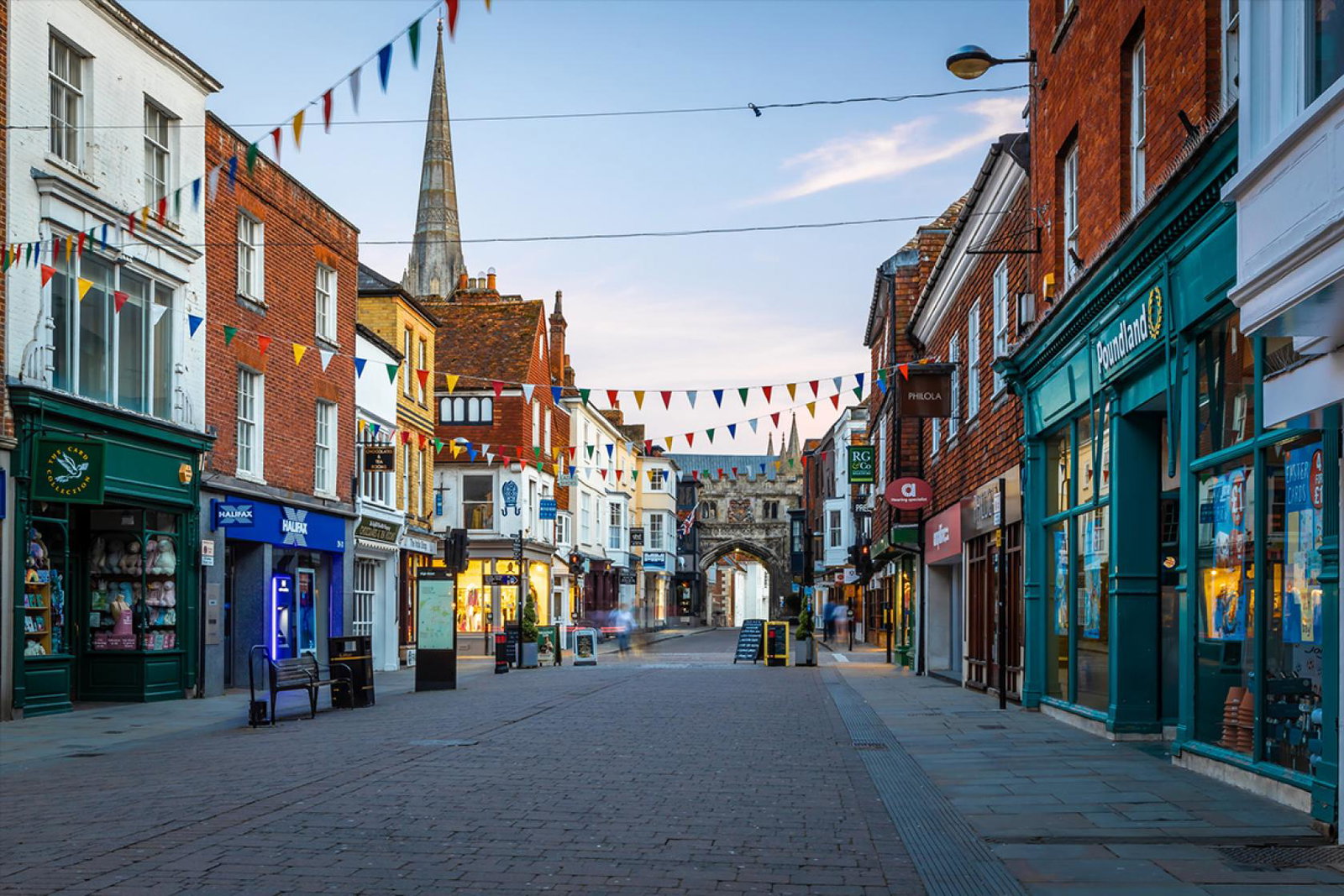
UK Chancellor Rachel Reeves is under growing pressure from restaurants, shops, cafes, hotels and music venues to rethink rise in business rates, as she prepares to announce a limited package of relief that will apply only to pubs, the Financial Times reports.
Mark Tanzer, chief executive of Abta, said the body believes any changes to business rates must benefit all high street retailers, including travel agents. “It cannot be right to recognise that proposed reforms do not go far enough and then only extend further help to certain sectors,” he said.
“Abta has consistently called for support for high street agents. We believe that rates should be reformed to ensure these businesses – which are often family-run and SMEs – are able to compete fairly.”
He added: “Travel companies help a high street thrive – attracting other businesses, supporting community and offering that all important personal connection when booking a holiday, something that remains hugely important despite the online world we operate in.
“They also make an important contribution to their local economy, including providing jobs and developing skills.”
SPAA's list of priorities
Meanwhile, the SPAA is calling on the Scottish government to use next week's Scottish Budget on Tuesday (13 January) to take urgent action to support Scotland’s travel agents and protect high-street businesses across the country.
The SPAA warns that devolved policy decisions on business rates, skills funding and enterprise support are now critical to the survival and growth of the sector.
SPAA president Alan Glen said: “The cost of employing people in Scotland is rising sharply, while profitability is being squeezed from every direction. Employer National Insurance costs, wage pressures, taxation and proposed changes to employment law are now acting as a barrier to taking on staff — and there is very little in the way of Scottish-specific support to offset that.”
The association says the Scottish Budget must address the growing imbalance between locally-based high-street businesses and large online retailers, which do not face the same property-based costs.
“Travel agents committed to maintaining a physical presence on Scotland’s high streets are being penalised through business rates and operating costs, while global online retailers are not taxed in the same way,” said Glen.
“This is accelerating the decline of the high street, loss of neighbourhood community and undermining local employment.”
The SPAA is urging the Scottish Government to prioritise:
- Fairer business rates for high-street travel agencies;
- A review of the business rates system to reflect post-pandemic trading realities and support locally-based employers who provide skilled jobs and personal service within their communities;
- Skills, training and routes into employment;
- Targeted funding to support recognised travel and tourism qualifications, apprenticeships and upskilling pathways — enabling employers to bring new entrants into the industry and develop existing staff;
- Support for local, customer-facing businesses; and
- Enterprise and retail policy that recognises the value of physical travel agencies as trusted advisers, employers and contributors to Scotland’s local economies
While many tax and aviation decisions remain reserved to Westminster, the SPAA also highlights the importance of UK-wide policy alignment, particularly around employer National Insurance costs and domestic Air Passenger Duty (APD).
“Much of Scotland’s connectivity depends on affordable domestic air links, and any further cost pressures — whether through taxation or aviation policy — will ultimately damage businesses, affect families and the wider economy,” Glen added.
“We are not asking for special treatment. We are asking for a Scottish Budget that recognises the reality facing employers on the ground — and gives them the tools to recruit, train, invest and grow rather than simply absorb ever-increasing costs.”