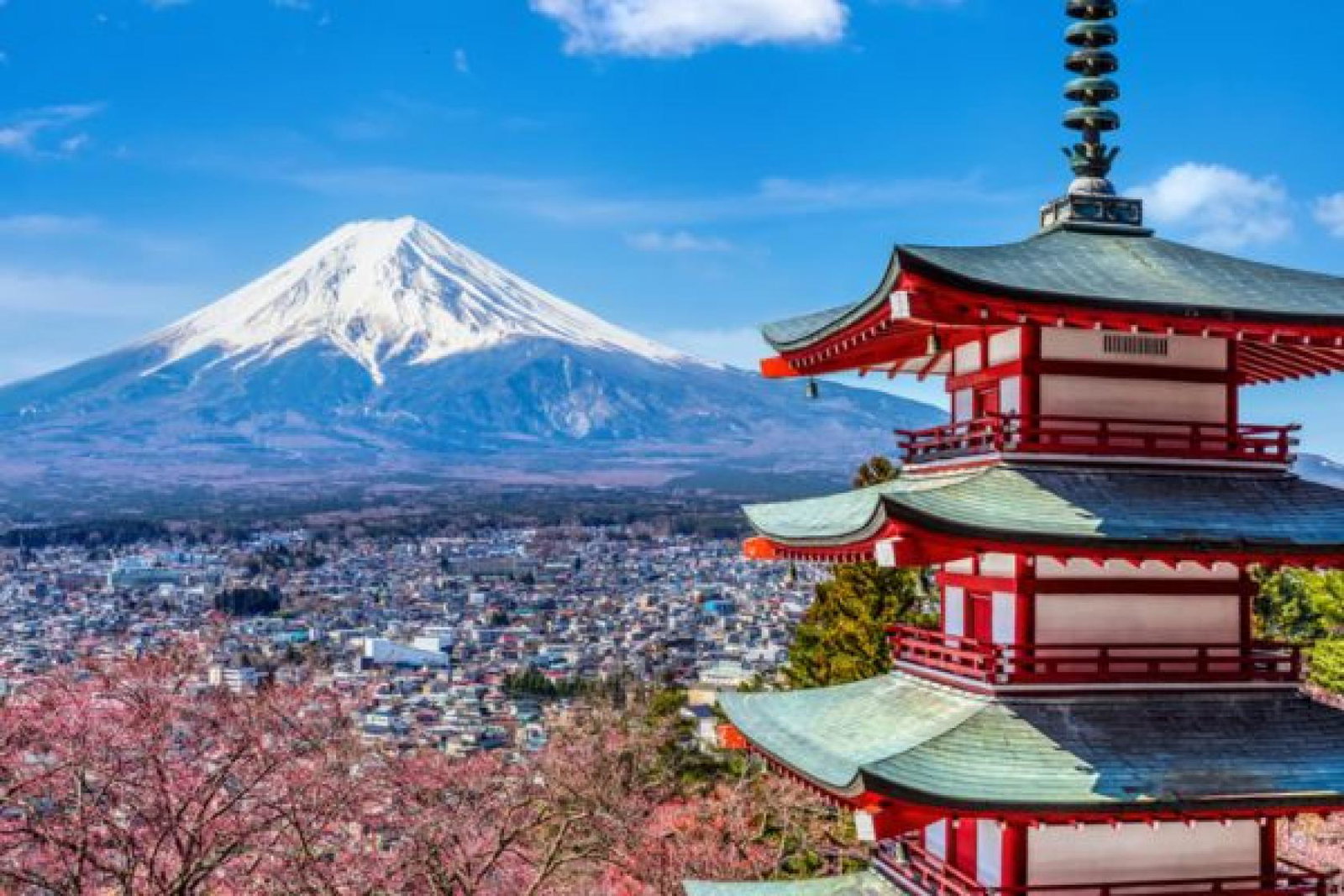
City mayor Shigeru Horiuchi announced on 6 February the two-week festival would not run this year to "protect the living conditions and dignity" of the local residents.
"The flipside of our beautiful scenery is that our residents’ peaceful lifestyles are being threatened, and I strongly feel that this has become a crisis situation," he added.
According to local media, complaints from residents include severe traffic congestion, trespassing on private property, littering in residents' gardens.
The city, which lies in the Yamanashi Prefecture 110 kilometres outside Tokyo, receives as many as 10,000 visitors a day during peak cherry blossom season.

A "disappointed" Inside Travel co-founder Alastair Donnelly suggested agents promote Japan "away from tourist trails" where possible following Fujioyshida's announcement.
"Japan is not about the Instagram photo, or one place or season," Donnelly explained. "It is the cultural differences and experience that make this country so interesting to outsiders. It is such a shame to see situations like this."
Overtourism is a growing concern in Japan, with approximately 73% of overnight stays in 2024 concentrated to just five prefectures (Tokyo, Osaka, Kyoto, Hokkaido, and Fukuoka), according to Japan Airlines.
Several methods to reduce tourist strain have been enforced over the years, including in Kyoto, which has banned tourists from certain parts of the Gion district since 2024.
The city also plans to increase tourist taxes to approximately £50 per person from this spring.
Sign up to the TTG Sustainability newsletter
Receive the latest sustainable travel news, insight and analysis from TTG every fortnight.