For those of you that prefer solutions rather than whingeing, or get bored much beyond 280 characters, I’d skip straight to the last paragraph.
We have been promoting travel to the US since I started USAirtours more than 43 years ago, and in that time, we have sent more than a million customers to enjoy the incredibly diverse landscape and culture that can been found among the 50 states of America.
Past presidents were aware of the significant financial value associated with inbound tourism supporting jobs in the US travel and hospitality industry.

This was typified in 1991 when, following the negative international travel impact from the first Gulf War, President George H.W. Bush appeared in UK TV ads to encourage us Brits to travel to the US. Oh, how things have changed.
To be fair, striking the right balance between being an open and welcoming country while trying to protect the safety of their own citizens is something that every government is grappling with.
However, the answer cannot be to build higher walls and become inward looking or isolationist, particularly because much of today’s threats already seem to be within the walls to start with.
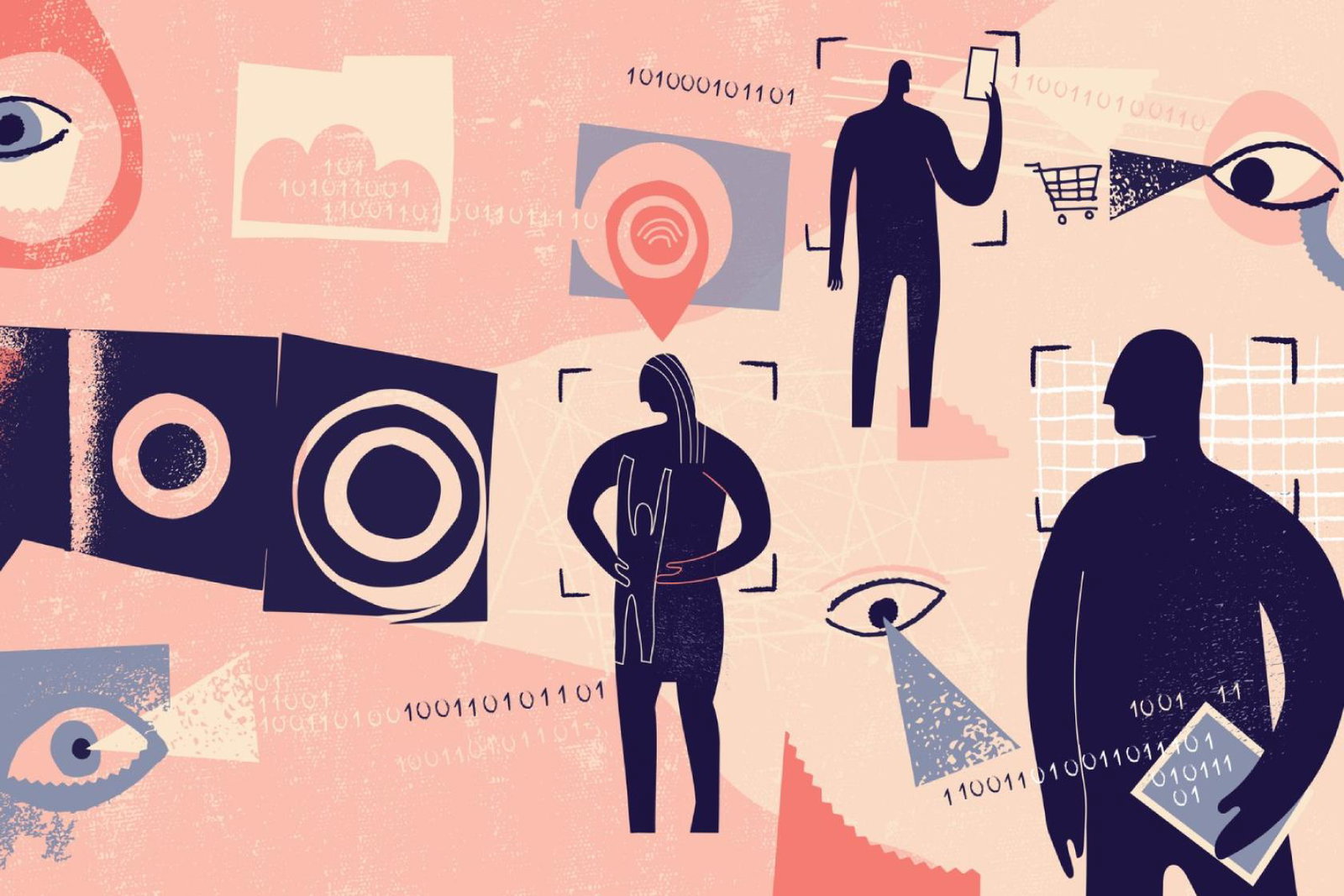
That said, suggesting a good poke around in a visitor’s social media account could easily feel like someone’s rummaging through your laundry basket uninvited. It hardly says Welcome to America as the story ran nationally on the president's least favourite British news channel.
After the initial outrage, we should remember that in the western world, where all but a hermit has a digital footprint at least the size of their carbon equivalent, much of what the Department of Homeland Security is referring to is already in the public domain.
They have stressed visitors will not be required to provide passwords to their social media accounts and that the additional information they propose to collect will help them identify specific security, crime and immigration threats.
Just proposals for now
I do believe their stated motive is genuine – and that they simply do not have resource or the motivation to turn around visitors who once liked a Facebook post regarding a famous person’s hair style.
The new proposals regarding social media access are currently just that – a proposal out for public consultation during which time there will be no change to the existing Esta approval process.
Consequently, I would be encouraging any customer considering a trip to the US within the next two years who does not already have an Esta to apply for one promptly before any changes take effect.
Most applications are approved quickly and are valid for a two-year period (or until their current passport expires).
This Esta related story has far more bark than bite – and with the Fifa World Cup set to showcase the best of US next year, it will have little impact on visitor numbers.
Guy Novik is founder and chair of tour operator USAirtours.