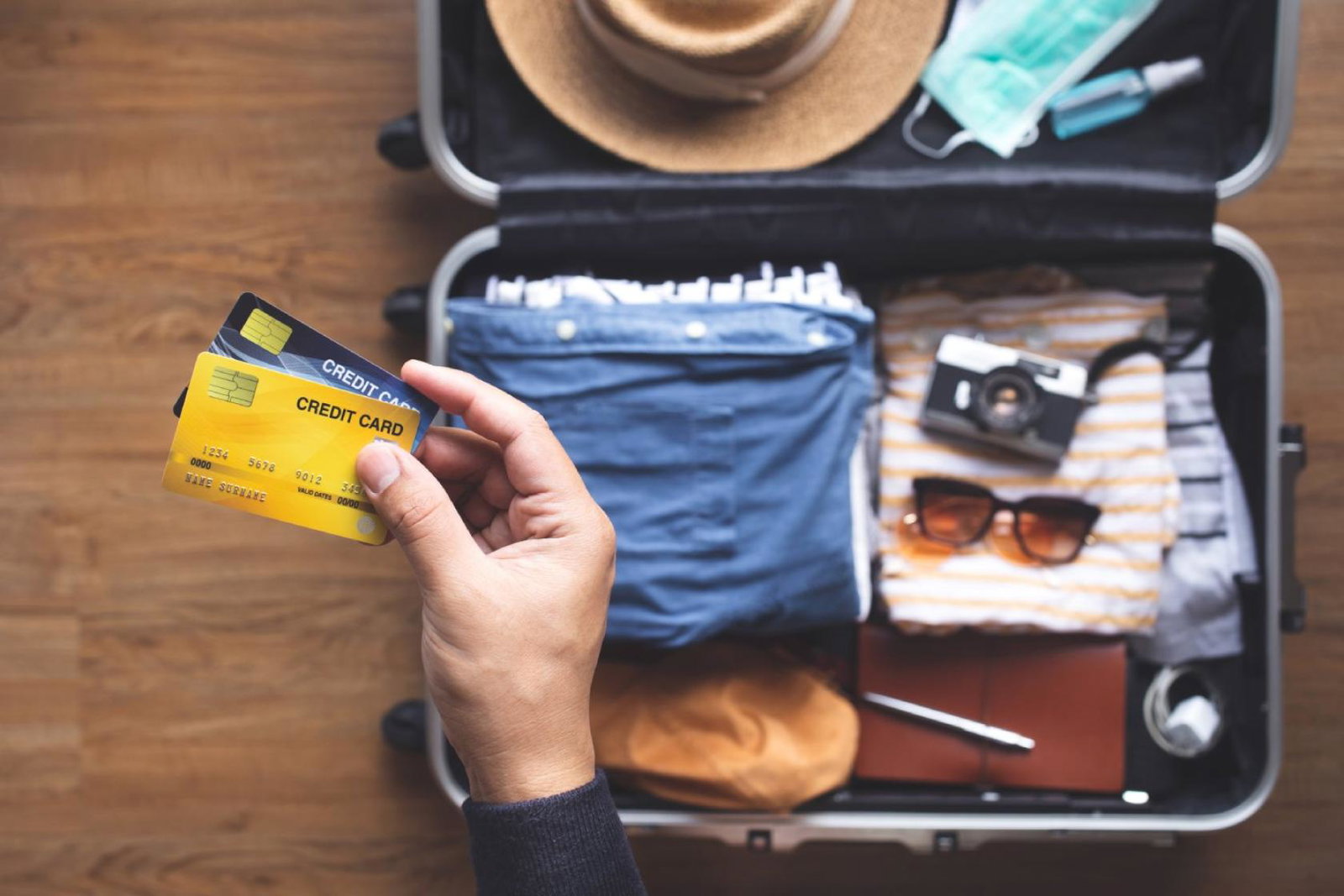
Spending with travel agents jumped by its biggest year-on-year margin for nearly two years in November (+10.7%) while transaction volumes grew by nearly a third (31%), outstripping growth in the next best performing sector by almost a quarter.
This came despite a 1.1% dip in consumer card spending – the most significant drop since February 2021 – and the first fall in non-essential spending since July 2024 (-0.3%), according to Barclays latest Consumer Spend Report. Non-essential transactions declined by 2.3% year-on-year in November.

The report said consumer and economic confidence remained "subdued" in November after all seven measures by the bank tracks these sentiments declined in October.
Barclays said travel agents benefited from sales that "encouraged jetsetters to lock in holiday deals for next year", adding the sector had also enjoyed "a Black Friday boost".
Despite the bleak outlook, Black Friday (28 November) nonetheless still proved the busiest day of the year for retailers, with transaction volumes up by nearly two-thirds (62.5%) compared with an average day this year.
Karen Johnson, Barclays' head of retail, said November was marked by uncertainty as consumers waited for seasonal discounts and for the full details of chancellor Rachel Reeves's Budget.
However, she added: "Retailers will have welcomed the Black Friday boost they received, which will hopefully set the tone in the run up to Christmas."
Jack Manning, Barclays' chief UK economist, said: “Even with a boost from Black Friday, consumer spending remained muted as we moved through the final quarter of the year. 2025 has been defined by this economic deceleration."
Barclays' outlook is based on consumer debit and credit card spending over the period from 25 October 2025 to 21 November 2025 compared with spending from 24 October 2024 to 22 November 2024. It claims to oversee nearly 40% of the nation's credit and debit card transactions.