The European travel giant on Wednesday (10 December) posted full-year earnings (year to 30 September 2025) before interest and tax (ebit) of €1.46 billion, up 12.6% from last year's €1.29 billion, on a 4.4% uptick in revenue from €23.2 billion to €24.2 billion.
However, much of this growth came from segments other than Tui's tour operating arms and its markets and airline segment, both of which saw earnings drop as Tui continues to transition towards a more dynamic model.

Tui's northern region, which includes Tui UK and Ireland, achieved ebit of €140 million, down from €165 million a year earlier, with this pattern repeated in its central region, where earnings fell from €128 million to €98 million. Tui's western region, meanwhile, slumped to a €21 million loss from earnings of €10 million last year.
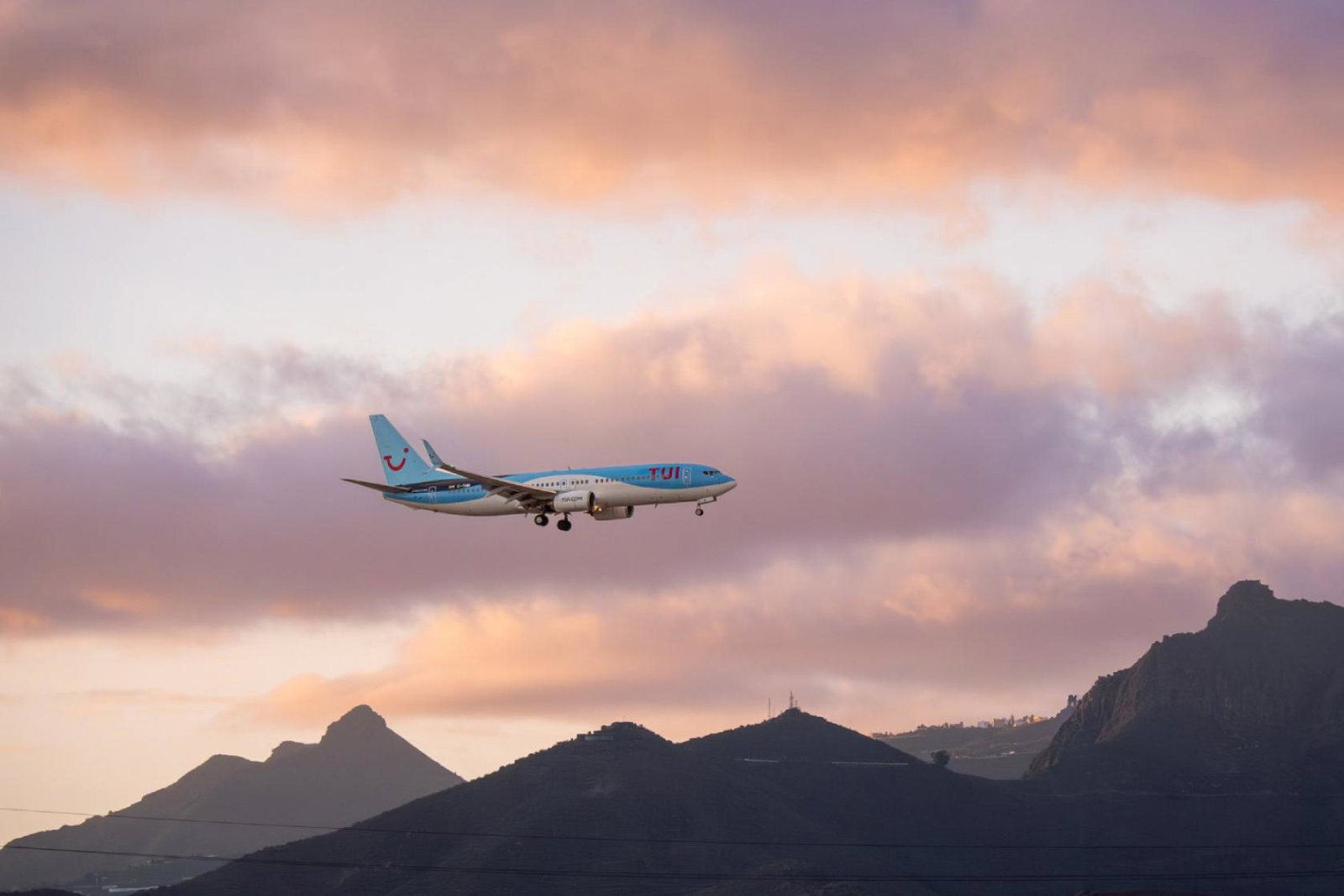
Markets and airline, while recording higher revenue driven by higher prices on comparable booking volumes, achieved earnings of €217 million, down from €304 million a year earlier, which Tui put down to a "competitive market environment" and "investments in transformation and growth".
Passenger numbers increased by 5% year-on-year to 34.7 million, with booked revenue for the coming winter season running 1% ahead of where it was at the sae point last year. Tui added it had seen "a positive start" to booking for summer 2026.
"2025 was a successful year for Tui," said chief executive Sebastian Ebel. "In a highly competitive market environment, we achieved the best result in the company's history and exceeded the ebit forecast for full-year 2025.
"The Tui eco-system, with strong proprietary brands such as Riu, Robinson, Tui Blue and Tui Cruises, and growing global distribution through our well-known tour operators, are our strengths."
Ebel reiterated Tui's future success would rely on growing its portfolio of "differentiated products" and "growing globally" to "become independent of the challenging European market environment".
Underlining Tui's move away from traditional tour operating is its focus on growing dynamic packaging. Over the past year, some 3.3 million Tui guests travelled via dynamic packages, up 11% year-on-year. "They now represent a significant share of Tui's total product portfolio," the operator said, adding the transition was evidence of the group "adapting to changing consumer behaviour".
Tui's cruise companies – Tui Cruises, Marella Cruises and Hapag-Lloyd Cruises – enjoyed a record year, growing earnings by nearly 350% from €108 million last year to €482 million this year. Load factor averaged 99% with available passenger days growing by 18% to 11.4 million following the launch in March of Mein Schiff Relax. Ultimately, daily rates onboard Tui's ships increase by 2% to €235.
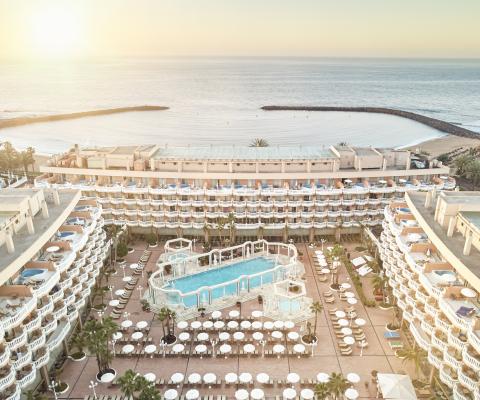
Tui Musement, the group's experiences, excursions, activities, tours, tickets and transfers platform, grew its earnings from €49 million to €71 million, with sales – excluding transfers – running to 10.6 million. Transfers increased by 1% to 30.9 million. Hotels and resorts achieved a €90 million increase in earnings to €759 million.
Together, these results drove up earnings across Tui's holiday experiences segment from €1.09 million to €1.31 million.
Across holiday experiences, Tui said trading for the first half of its 2026 financial year – six months to the end of March 2026 – was being driven by a continuing "positive booking trend", adding dynamic packaging was "opening up new customer groups and market opportunities".
Tui is provisionally targeting a 7-10% increase in earnings for the coming year off the back of a 2-4% increase in revenue, citing "expectations for summer 2026".