A law designed to stop UK travel brands selling low-welfare animal attractions and excursions overseas still hasn't been implemented two years after it was passed.
The Animals (Low-Welfare Activities Abroad) Act was agreed by parliament on 18 September 2023 but has not seen a single prosecution. Before any can be made, guidance from Defra – the Department for Environment, Food & Rural Affairs – as to what the act covers and how it will be enforced must be published.
According to parliament, the new law is “an act to prohibit the sale and advertising of activities abroad which involve low standards of welfare for animals”.

Abta and animal welfare charities are still awaiting details and have made submissions outlining how they think it should work, but until they are agreed, the law cannot be introduced.
A Defra spokesperson declined to provide an implementation date when approached by TTG, but in a statement said: “This government was elected on a mandate to introduce the most ambitious plans to improve animal welfare in a generation. That is exactly what we will do. We are considering the most effective ways to stop the advertising of unethical and cruel animal activities abroad."
‘The act is now in hibernation’
The act defines low standards as circumstances where an animal is kept in conditions or is subject to treatment abroad that would constitute an offence in the UK.
This means an overseas excursion sold by a UK company that involves animal mistreatment would be an offence in England and Wales under the Animal Welfare Act 2006 or Northern Ireland’s Welfare of Animals legislation.
The 2006 act provides permission for prosecution where there is “unnecessary suffering”, but a court must be persuaded of this – something the latest legislation would also require.
David Bowles, the RSPCA's head of public affairs, said it was disappointing so little progress had been made. "The act is now in hibernation without clear guidance on how it will work in reality,” he said.
He described it as “a wishy-washy piece of law” and said guidance was needed on enforcement and which activities would be illegal to advertise. “We need the UK government to act now to pull this law from dormancy and implement real change as soon as possible," Bowles continued.
"In the meantime, we’d urge holidaymakers to show compassion and kindness to animals by avoiding cruel practices such as swimming with dolphins or taking selfies with monkeys or tiger cubs – and, regardless of what guidance exists, for travel companies to stop advertising these so-called experiences."
A potential ‘world-first’ for Britain?
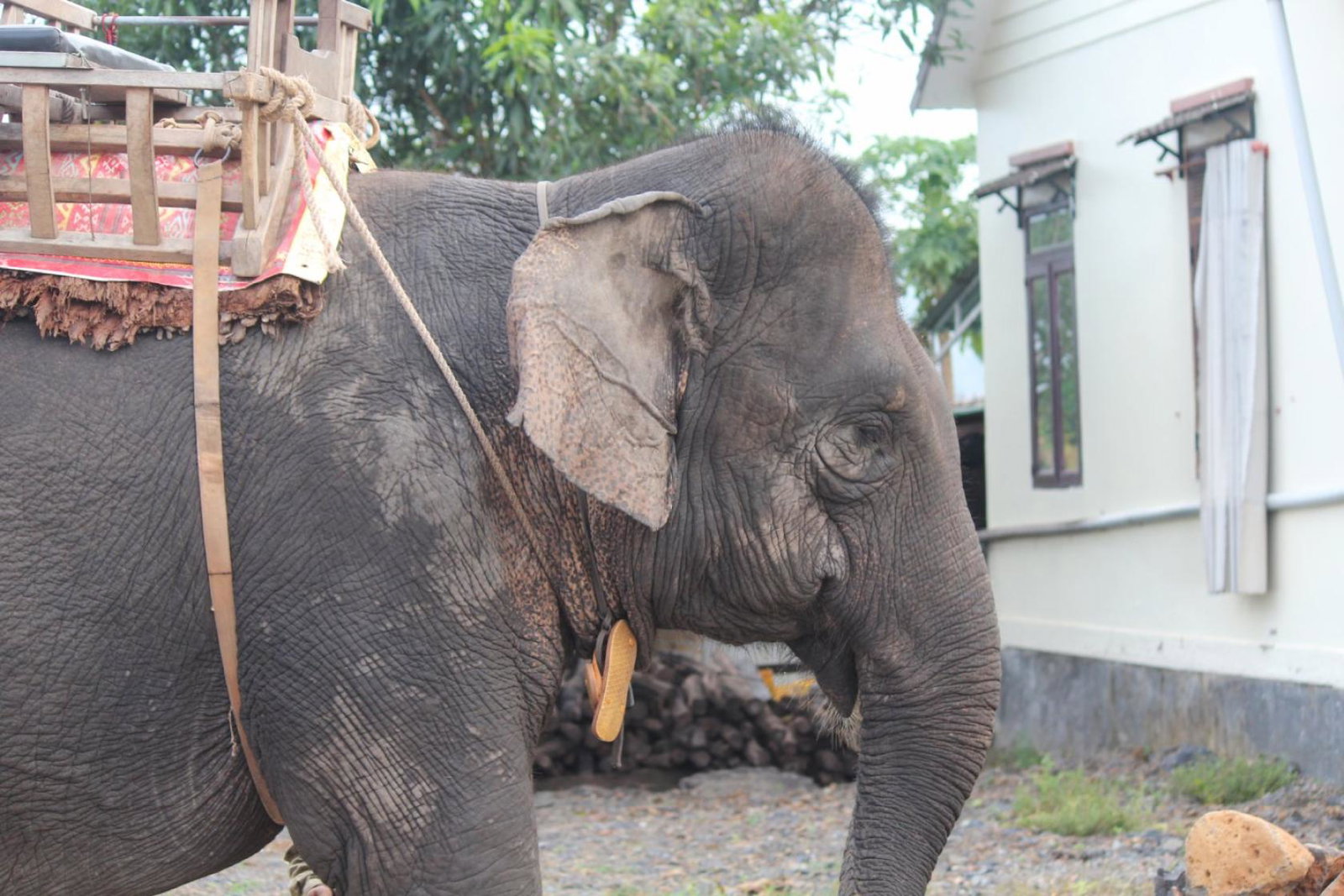
To make the act work, government must specify what will be banned. The Born Free Foundation worked with more than 30 animal welfare organisations to develop a list for Defra. It includes whale and dolphin attractions, plus elephant riding, trekking, bathing and their use in cultural ceremonies.
Camel, horse and donkey rides are also named, together with live animal markets and rodeos. Big cat encounters are also listed, with Born Free saying animals are bred in captivity and when they become too big, are sold to hunting grounds or killed for body parts.
Born Free, which called the legislation “a world-first for Britain”, also targets attractions described as "sanctuaries", "orphanages" and "havens", claiming true sanctuaries “do not generally allow public contact with the animals they house”.
Charities will not get everything on their wish list, but one which could cause ructions with operators like Tui is the likely inclusion of whale and dolphin attractions. Although these remain legal in the UK, there are none because the standard required would make them impossible to operate so they will fall under the new act.
Tui's stance has attracted protests by groups such as World Animal Protection and Peta. Competitors Jet2holidays and easyJet holidays stopped selling attractions last year, leaving Tui as the outlier. Earlier this month, 21 NGOs – including World Animal Protection, Peta Germany and Whale and Dolphin Conservation – marched on Tui HQ in Hanover to protest the operator's stance.
Born Free's head of policy Dr Mark Jones is frustrated with the delay in the act taking effect. He claimed the act had “overwhelming public and cross-party support” and a list of inclusions could be nodded through both parliaments promptly given the original legislation was unopposed.
"Effective implementation would help cement the UK's standing as a leading voice for animal protection on the international stage and provide an example for other nations to follow,” he said.
When it is enacted, enforcement will be left to trading standards authorities or the Department for the Economy in Northern Ireland.
However, the act will not apply in Scotland, and there is confusion about Wales. The wording states: “This act extends to England and Wales and Northern Ireland.” However, in identifying relevant enforcement authorities, it only refers to England and Northern Ireland. Sources believe this is an error that will be rectified.
The legislation contains no legal benchmarks, so must be tested in court. To start this, a complaint would need to be made to a local authority’s trading standards department. This may be an issue – councils are cash-strapped and potentially reluctant to start a prosecution involving a business thousands of miles away.
‘Right for ministers to take a step back’
Abta’s director of public affairs Luke Petherbridge is sympathetic to the government’s difficulties. “To be fair, I think they’re right to take a step back to look at how this will be effective,” he said.
"This has to be done carefully; attractions could simply go to other markets or go direct. The risk is if you legislate in a blunt way, you end up with direct sell in the destination. Ministers are aware of this.”
Luxury operator Jacada Travel removed 40 animal encounters from its offering in January, unprompted by the new legislation. Natalie Lyall-Grant, Jacada’s head of positive impact, concedes some DMCs may simply choose not to work with operators which demand higher standards.
"There will always be those that choose another market,” she said. “That happens with clients as well – there is always one that has a bucket list, who wants to touch an animal. We lose that business, but we’re OK with that.”
Jacada is proactive, but some operators await the legislation. Minister for animal welfare Baroness Susan Hayman, when questioned in the House of Lords on 1 September, declined to give a date for the bill’s introduction. However, she confirmed the government will publish its animal welfare strategy by the end of this year and the act will be referenced in that.
Meanwhile, Baroness Hayman said work went on. “We need to determine whether an advertised activity meets the criteria for being low welfare," she stressed. "We also need to ensure the party placing the advert can be identified.
"This is complex, because it is about banning advertising only in this country, whereas many advertised holidays are not from organisations based here and the activities are abroad. It is complex, but I am determined we get this right.”
Two years on, the work continues – but it could be a good while yet before we see the law in action.