Morocco has ambitions to be a top 10 world destination, as major infrastructure upgrades are pushed through ahead of the 2030 Fifa World Cup, which the country will co-host with Spain and Portugal.
“We’re already Africa’s leading tourism destination,” said Meryem Bennouna, director UK, Ireland and Nordics, Moroccan National Tourism Office (stand N1-210, N1-200, N1-208). “There’s quite some gap between Morocco and the second most visited destination in Africa – which is Egypt. We want to be a top 10 world destination – this is our aim.”

Morocco hosted 17.4 million international visitors and Egypt 15.78 million in 2024. This for Morocco was a 20% increase on 2023, the highest in its history. That momentum has been maintained, with arrivals reaching 13.54 million by the end of July 2025 (a 15% increase year-on-year), reflecting sustained growth across the country’s major source markets of UK, France, Spain, Italy and Germany. At the end of August, the UK was up 25% year-year, and has almost doubled its weekly flights to Morocco in the past 12 months, with now departures now available from 14 regional airports. BA’s Gatwick-Rabat service starts in November, a brand new route for the carrier.
In order to break into the world’s top 10, Morocco would need to surpass 36 million international arrivals, the bar currently set by Greece in 10th place in 2024.
Better connectivity
In advance of the Fifa World Cup, airports are being expanded and motorways built. A high-speed rail extension is also under construction, connecting Kenitra in the north with Marrakech via Casablanca, and this will significantly reduce travel times between cities.
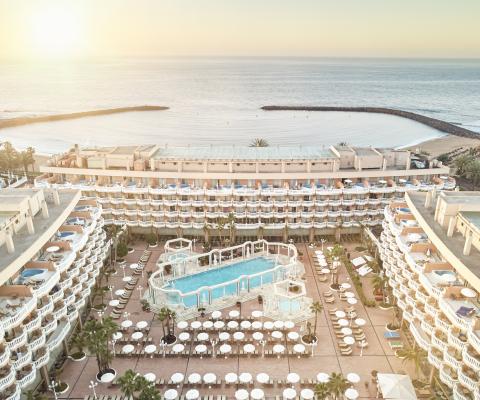
The investment in regional access is being matched by hotel development; Four Seasons Rabat at Kasr Al Bahr; Park Hyatt Marrkaech and Ritz-Carlton Rabat Dar Es Salam all opened in 2024. Waldorf Astoria Rabat Sale and LXR Casablanca are due in 2025; and Hilton Rabat and Curio Collection Rabat & Casablanca are expected in 2026. “It’s very telling that we have these big brands competing to open hotels in Morocco,” said Bennouna.
The tourist board is leveraging the World Cup as a catalyst to elevate every aspect of the visitor experience. Bennouna explained: “Co-hosting alongside Spain and Portugal gives us a unique opportunity to align Morocco’s tourism standards with some of the most experienced travel markets in the world – from transport and hospitality to overall service quality.”
Other notable events in Morocco are the Africa Cup of Nations, which kicks off in December, and G Adventures’ GX Summit in September 2026, which Bennouna described as an important alignment with the adventure travel community.
Marketing strategy
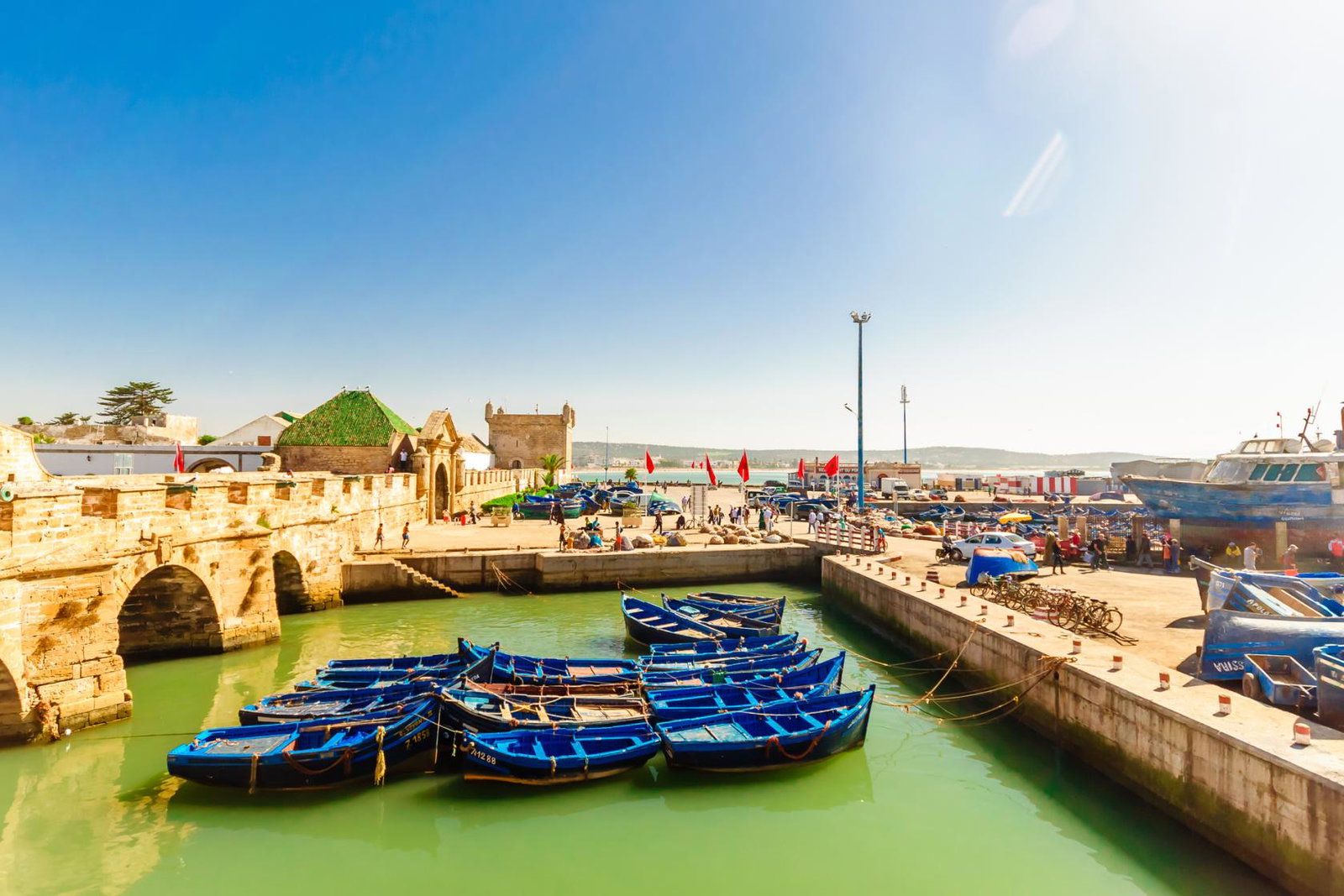
Influencers will be key to the tourist board’s marketing strategy next year, as it looks to increase awareness of the destination’s diverse landscapes. “A lot of people see Morocco as a cultural, historic destination,” explained Bennouna. “They don’t realise our coastline is 3,500km long, split between the Atlantic Ocean and the Mediterranean Sea. We have so many untouched beaches that tourists can safely explore.”
“Our marketing needs to do justice to Morocco’s different experiences – mountains, desert, beaches, and local festivals.”
Niche segments that present growth opportunities include golf, with the destination offering 45 courses, across forests, deserts and by the coast. “We’re attracting a fraction of golfers,” said Bennouna, claiming that Morocco was way more competitive than other destinations better known for their golf and more susceptible to overtourism.
Even with soaring visitor numbers and grand ambitions, she insisted growth was sustainable and balanced, and the risk of over-tourism was inherently low. “Morocco is far from being saturated – we still have lots of space, we’re protecting our heritage areas, and every road being built is bringing tourism to local communities. It’s customary for Kasbahs to recruit from local villages, and tourism supports local cooperatives producing argan oil, roses and saffron, for example, ensuring that growth benefits rural communities, women and artisans.”
Trade shows remain an important way for the tourist board to tell Morocco’s story. This year will see an expanded stand at WTM London, with cookery shows, artisans and a kaftan catwalk all helping visitors get a feel for the destination.
“Next year we plan to go even bigger by adding a sensory experience zone,” said Bennouna. “This taps in current trends – travellers are looking for more immersive experiences, and we will continue to position Morocco as a destination that combines authenticity, diversity and cultural depth.”