Arantxa Calvera, general manager, Catalan Tourist Board (stand N7-200), explained that cultural tourism attracts “a curious and respectful audience, interested in discovering the territory, its people and traditions in depth”.
She added: “In Catalonia, culture goes far beyond art and architecture – we understand it as a living expression that reflects our way of being, living and connecting with the world.”
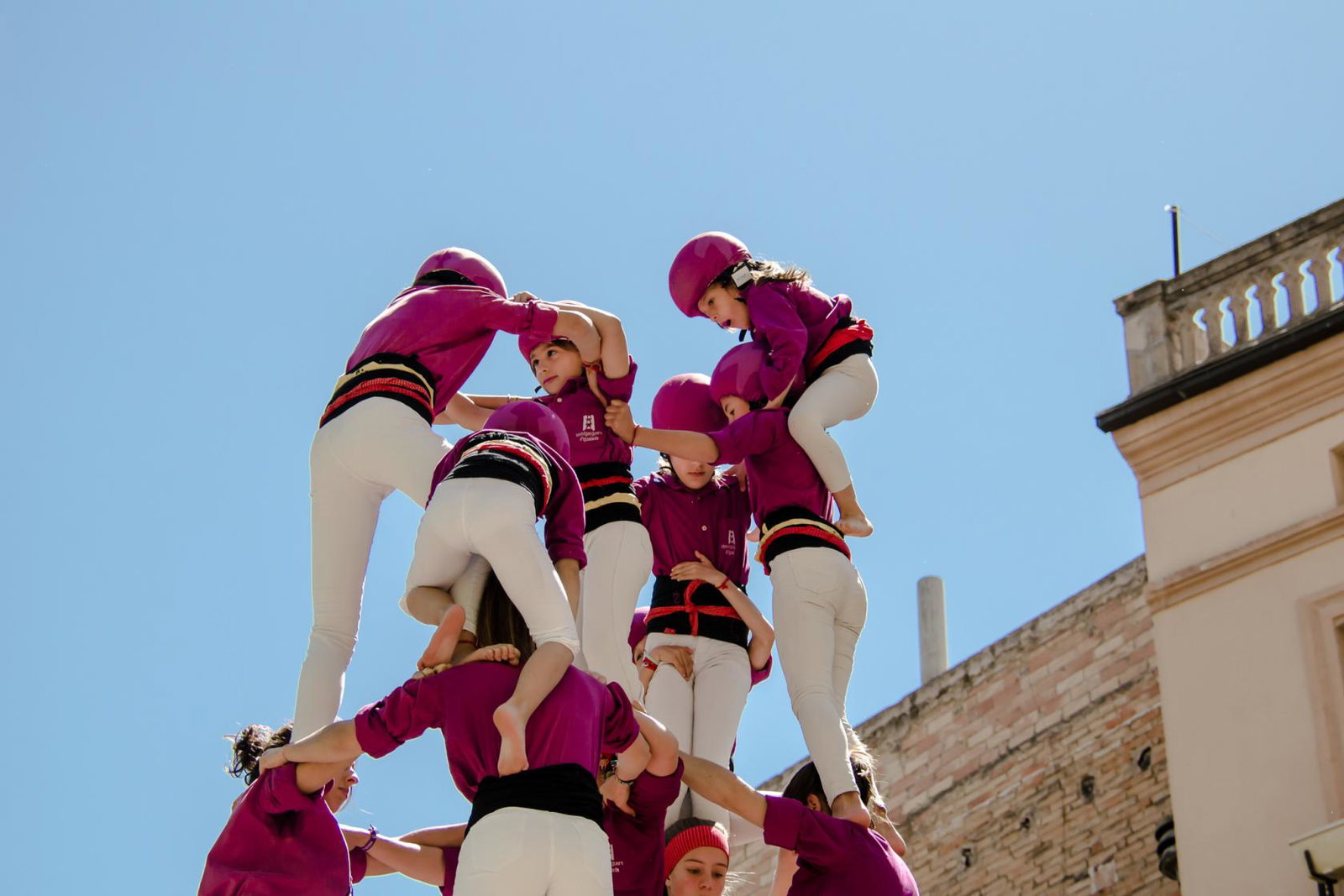
Less obvious cultural experiences – such as the region’s tradition for building human towers – will be brought to the fore.
More from WTM London
Calvera explained: “One of the clearest examples of this culture that defines us is the castellers [the Catalan tradition of building human towers], a unique manifestation in the world that symbolises fundamental values of Catalan society: trust and solidarity, patience and perseverance, strength and balance, companionship and humility. Every castell is the result of many hands, of many people coming together to achieve a common goal. This is what we want to share with visitors: a rooted, authentic and participatory culture. A culture that is not only observed, but lived and experienced – one that reveals to the world the soul, spirit and values that make Catalonia a truly unique place.”
These human towers can be witnessed every weekend during the summer, in different towns and cities in Catalonia.
“They are very impressive to see,” added Calvera.
Meanwhile, Barcelona has been named World Capital of Architecture by Unesco for 2026 – a year that will see the long-anticipated inauguration of the tallest tower of the Sagrada Familia in June. This chimes with the centenary of architect Gaudi’s death – an event that will be marked in Barcelona and throughout the region.
Other significant events coming up in 2026 include the first Grand Depart of the Tour de France from Barcelona in July and the inauguration of FC Barcelona’s new Camp Nou stadium, with capacity for 104,000 people, in September.
There is also a total solar eclipse in the region on 12 August 2026, with Lleida, Tarragona, Reus and Salou on the path of totality.
The Catalan Tourist Board also has a new birdwatching website to promote and cyclists up for a challenge should swing by the stand – the team are gearing up to announce the full 2,500km route of the Grand Tour Catalonia, the Gravel Edition.
And Catalonia’s tenure as World Region of Gastronomy 2025 may be coming to an end, but its legacy continues. Calvera said: “Catalonia wants to consolidate its position as an internationally recognised gastronomic destination, with its own identity based on local products, the territory and the people who are part of it, combining tradition and creativity. The distinction has fostered collaboration among farmers, fishers, chefs, producers, scientists, institutions and schools, creating a stable network that will allow continued innovation and talent development.
“The goal is for this recognition not to be merely a temporary title, but a national project that drives lasting transformation. The World Region of Gastronomy 2025 aims to be the starting point of a new phase in which Catalan gastronomy continues to be a driver of economic development, social cohesion and pride.”