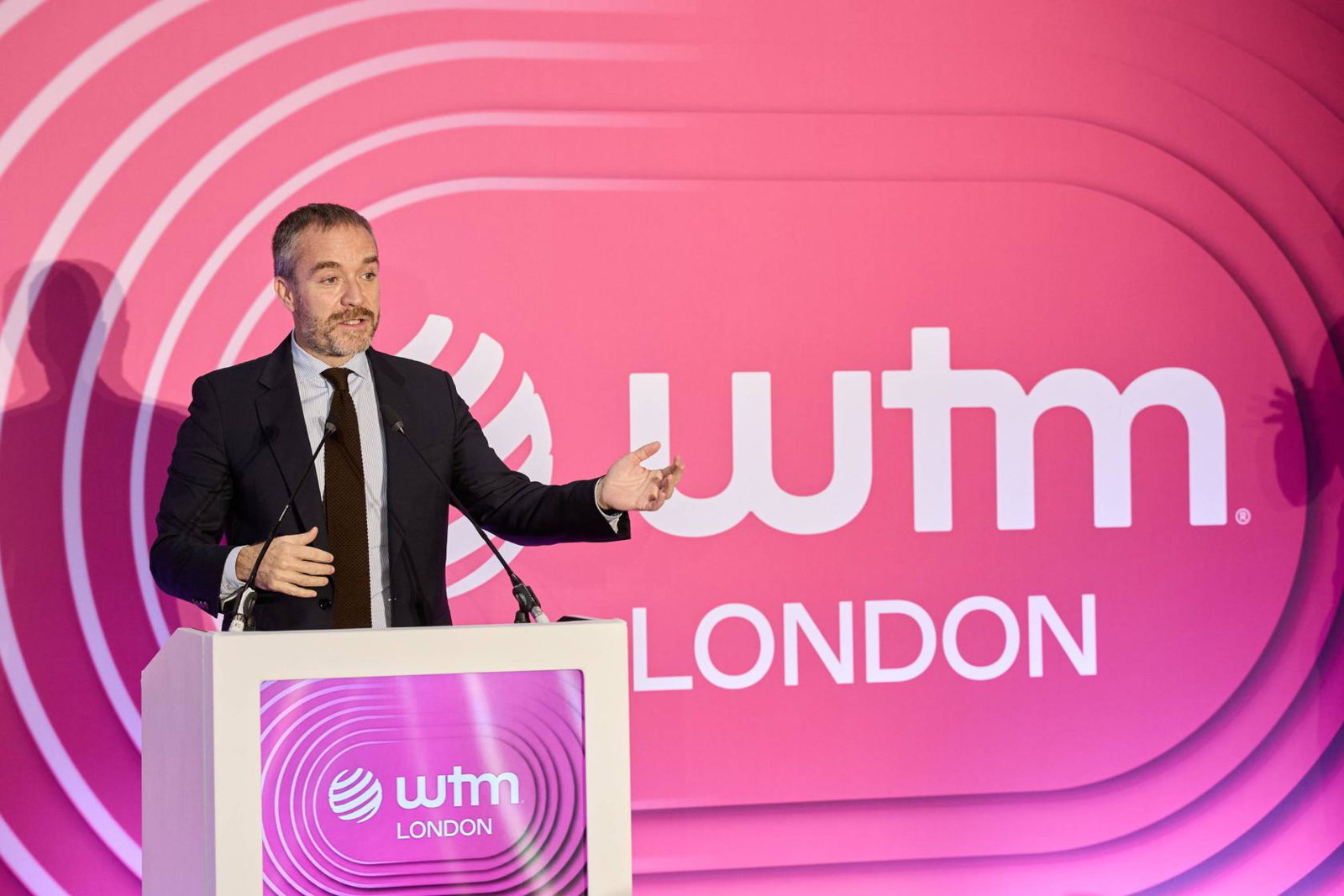
"The core attributes for selling a destination used to be safety, good weather, price, maybe food," said Sanz, speaking to TTG at WTM London. "Accessibility is now one of those attributes, and is equally as important as security to travellers."
To this end, the Spanish Tourist Office has launched Supporting Choice: Good Practice Guidelines for Accessibility Information for Hotels – a practical framework designed to help hotels and accommodation providers give disabled travellers "clear, accurate and meaningful information" about their facilities.
The report encourages hotels to provide specific measurements, up-to-date photographs and clear descriptions, with businesses that demonstrate accessible practice set to be given "more opportunities" to feature in Turespana's promotional campaigns.
"If a supplier wants that marketing reach, they will have a better chance of collaborating with us if they prioritise accessibility," Sanz said. "This is one step towards making accessibility fundamental to Spain's identity."
'The difference between your grandmother going on holiday or not'
For Turespana, the case for change is both commercial and social. The UK accounts for nearly a fifth (18%) of international visitors to Spain with accessibility requirements, while the spending power of disabled people and their households in the UK – the so-called "Purple Pound" – is estimated at £446 billion annually.
However, the report highlights how 42% of people with accessibility requirements avoided travelling abroad in 2024/25, demonstrating the scale of the opportunity for destinations and travel businesses.
Sanz believes the industry needs to recognise accessible tourism is not a niche market, particularly because travellers with disabilities frequently travel with family members or companions.
"The majority of people will be disabled at some point in their lives," he explained. "Disabled people are not a separate group – it is the difference between your grandmother being able to go on holiday or not."
Turespana has also started taking the message out directly to the UK travel industry, presenting the campaign to senior representatives from the likes of Jet2holidays and On the Beach during WTM London.
Sanz said the response had been "very positive", adding Turespana was eager to work with the wider trade, rather than limiting engagement to specialist accessible agents and operators.
'High-value tourism' not to be confused with luxury market
Another strategic goal is to increase the value of tourism through greater spending across Spain's local communities, Sanz said, rather than simply pursuing higher visitor numbers. He also emphasised "high-value tourism" should not be conflated exclusively with luxury travel.
"We welcome high-end propositions, of course, but we are looking for travellers with high social impact and high economic impact," he said, explaining visitors spending money in less "popular" destinations deliver significant benefits regardless of their overall holiday budget.
Spain is, naturally, keen to maintain its position as the UK's leading overseas holiday destination, with around 19 million British visitors each year.
When asked about the recent deadly high-speed train crash in Madrid – the second of its kind this year – Sanz described it as "unacceptable for a country like Spain", and moved to reassure British holidaymakers rail remains "a very safe option" when travelling through the country.
"The government, police, and everyone involved are putting all their efforts into finding out why this happened, and making sure that it never happens again," he stressed. "The work they're doing will improve Spain's security and safety of travel, which already has a very good record."
'We don't take anything for granted'
Sanz described the relationship between the two countries as "special", noting how 65% of UK visitors to Spain last year had visited before. Of those repeat visitors, approximately two-thirds had travelled to the country more than 10 times.
However, he claimed Spain cannot afford to be complacent in what he calls a "very competitive" landscape. "We are very happy that we are the market leaders, but the UK market is a very mature market and you cannot take it for granted," he added.
"We will fight for every Briton that comes to Spain to remain in Spain, and to broaden the base of people who can come and enjoy our beautiful country."