The travel industry has shot itself in the arm by undermining the work it has previously done on educating consumers to book early. That was a key takeaway from Abta’s annual Travel Trends conference, during a panel session titled ‘Booking patterns, extending the summer season and changes in consumer behaviour’ which discussed the return of extreme booking patterns.
Dean Harvey, marketing director, Hotelplan described how the industry had been making good progress in educating the market to book early. “But then Covid happened and now we’re discounting again and we’ve re-educated the public to wait for the deal – we’re our own worst enemy in that,” he said.
Paul Acheson, group director of sales and marketing for Brittany Ferries, highlighted that 22-23% of the ferry operator’s bookings are now being made within two weeks of travel, “which is quite remarkable,” he said. “We get the numbers in the end, but it’s not good for any of our health that people are booking so late.”
Lotti Norman, chief marketing officer, senior executive leader, brand strategy and growth, The Travel Corporation, discussed how the social buzz behind Travel Tuesday (which follows Black Friday) was catching on: “There are no hard peaks anymore, that’s the new reality.”
This panel also discussed the impact of Google’s new AI-Mode search feature on their website traffic. Harvey said: “There’s not a brand in this room that hasn’t seen its web traffic drop as a result of Google’s AI-led search.”
While Acheson confirmed that Brittany Ferries’ web traffic had dropped 5% since Google introduced the new mode in July. “The next year will undoubtedly see a lot of change in how we approach that,” he said. “We need to step up and meet the challenge so we don’t lose relevancy.”
Harvey advised: “We’ll be following Google’s guiding principles – be useful for your customer and then Google will rank you.”
Acheson said the challenge of keeping up with Google meant Brittany Ferries was reprioritising more traditional forms of marketing such as cinema and print, and getting into local communities.
And Norman spotted an opportunity to reassert a form of human validation, once everyone had jumped into, and grown tired of, ‘Chat GPT’s hidden gems’.
Hail the Queens
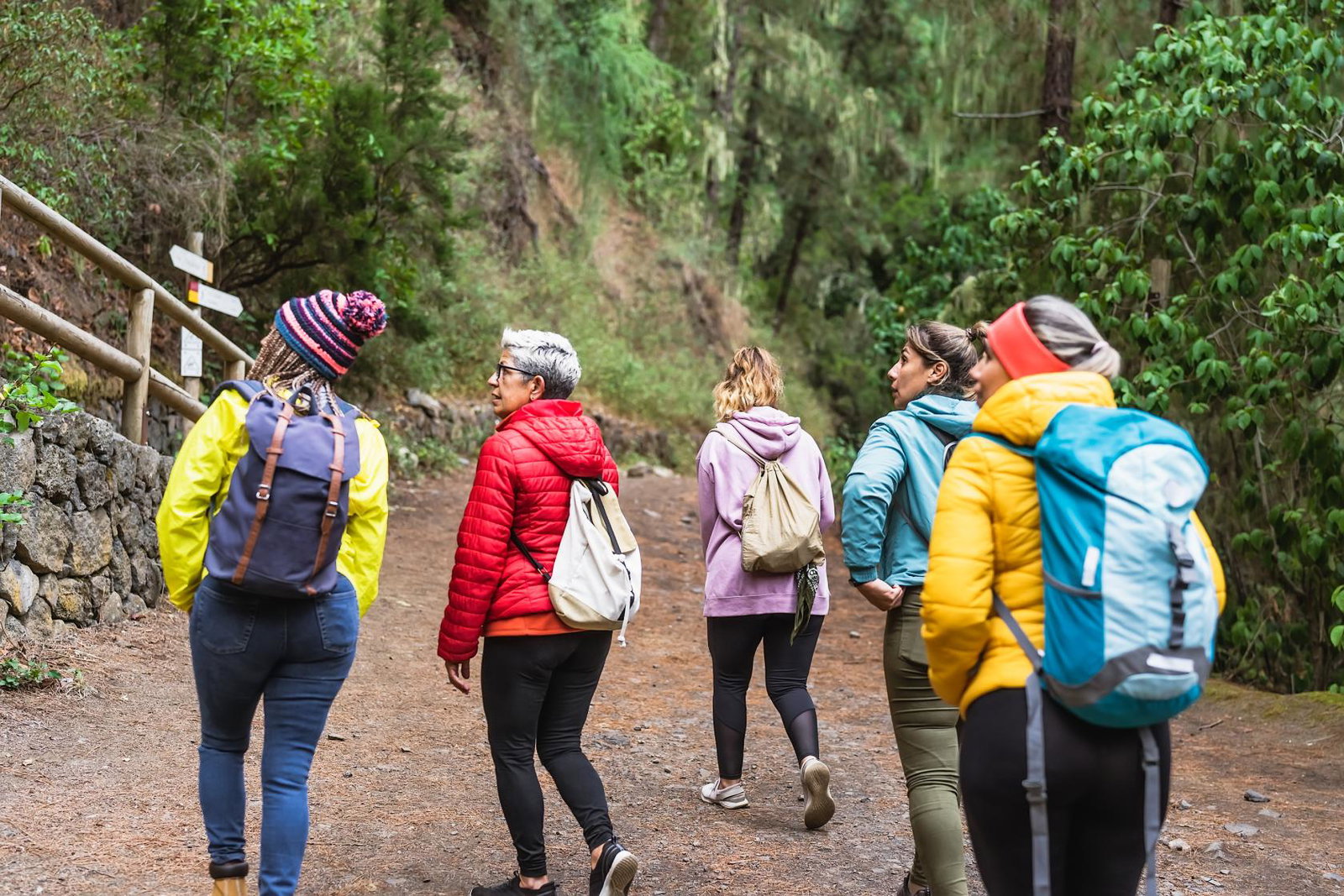
Another panel highlighted how female solo travellers represent a “fantastic growth opportunity”, as industry representatives discussed their predictions for 2026.
Michelle Laverick, head of sales and marketing at Jules Verne, said the escorted tours specialist was seeing huge growth for solo travellers, largely driven by the solo female market.
“There’s a life stage that happens – these women are being called ‘queenagers’,” she explained. “Women that have spent so much time bringing up children and making choices for them, and when their children leave home, all of sudden, these mothers can start to make their own decisions. We’re finding so many women are having that moment, and our small group tours given them the confidence and security to travel to destinations that they might not choose on their own, like Pakistan or Egypt for example.”
She added that queenagers are still looking for value, they want their own room (not to share), and the selling point is having everything catered from start to finish, so all they need do is turn up and enjoy the experience.
This point was reiterated by Rachel O’Reilly, director of communications for Dertour UK, who referenced ‘a big shift’ in people travelling on their own, who were not necessarily single, but wanting to connect with like-minded people via travel.
Neil Sealy, managing director, UK & Ireland, Exoticca said that demand for value was dictating where people booked this year: “And by that, I don’t mean cheap,” he explained. “People want more for their money – there’s a perception that going further away, you get more for your money, and that’s driving long-haul for us this year… places like South Africa, where you get huge value for your money, and Japan, which is our top-selling destination. I was there in the summer and found it v affordable.”
At the other end of the chart, he said geopolitics were having a bigger impact in the Middle East than in the US, where Jordan and Egypt had suffered, although both were starting to recover now.
Laverick highlighted the rising popularity of destinations such as Albania and Bosnia & Herzegovina “which offer people something different”. And O’Reilly said Canada was delivering double digit growth for Dertour’s companies, and US bookings were “holding up pretty well”.
All agreed there was a clear trend towards more authentic, experiential travel, driven by social media and word of mouth.
“For our demographic, it’s about the bragging rights at dinner parties,” said Laverick. “You can say you’ve been to India, but saying you had lunch with an Indian family in a traditional way, that means so much more, and that’s the dinner party story.”
“These simple things are often the highlight of people’s holiday – the home-cooked meal, the cookery class and so on,” added O’Reilly. “And we’re working with our DMCs to add these in.”