It has unquestionably been a very turbulent few years for Cuba. However, it seems very likely some sort of change and a journey back to stability – and indeed tourism growth – is just around the corner.
On the ground, the situation is changing rapidly. The Foreign Office update obviously comes as a blow, but we've had clients in Cuba in the past week, with the majority flying back on Wednesday night (11 February) – good timing.

We have US clients in Cuba now enjoying Havana and are due to travel home at the weekend. Like the Brits, they've had a fantastic time and weren't affected by the scenarios local society has been experiencing. However, moving forward, clients would likely be affected by the fuel scarcity there.
The arrest of Venezuelan president Nicolas Maduro by US authorities has seen the US take control of – and halt – shipments of Venezuelan oil to Cuba, which accounted for 30-40% of Cuban oil imports. Alongside this, the seizure of "ghost" oil tankers and pressure placed on the global oil trading market by the US has led to a rapid decline in Cuban oil imports.
This has led to more blackouts and severe fuel rationing, although tourists haven't been greatly affected by this so far as hotels and private accommodation providers (casas) have their own generators or solar power.
However, public transportation is stopping, local workers are working from home or being laid off, and routine medical appointments are being cancelled. It’s a very difficult scenario developing for the locals.
In recent days, fuel rationing has started to affect tourists travelling around the island taking in the culture, colonial towns and activities. It has been increasingly challenging on an operational level to secure fuel for transport since the weekend as drivers are naturally hoarding fuel.
Due to the fuel situation, the Cuban authorities issued a note to airlines to advise aviation fuel is now not available until 11 March. This has led to some major airlines – Air Canada, WestJet, Sunwing – postponing their flying programmes until March or even April.
European carriers such as Air Europa, Iberia and Air France are currently refuelling in other Caribbean islands on their return legs, although other actions may be announced in the coming days.
A handful of beach resort hotels have temporarily closed – a natural reaction to lower occupancies owing to airlines temporarily stopping flights. And to help with the fuel situation, hotel chains are consolidating guests.
So what are the next steps? Well we have been in close contact with clients due to travel imminently and they are all aware of the emerging situation. All of them want to visit the island and are happy to wait and push back their departure dates if the situation continues.
I feel that until there are some positive changes to the fuel supply in Cuba, the government advisory will stay in place as this is naturally the key issue.
There are unofficial reports emerging in the Latin American, US and Spanish media that talks are taking place in Mexico between representatives of the Cuban and US governments. In the coming days and weeks, I'm sure more will emerge on this story.
The situation is changing rapidly, and life for the local population – including many friends and colleagues – is becoming incredibly difficult. We're just having to wait and see what happens.
But the local population cannot continue like this. It's reaching a tipping point with the US seeking change throughout the western hemisphere. Cuba is a key issue to solve. So I sense change perhaps coming more quickly than we might expect.
I've been with Archipelago Choice for more than a year now; our expertise in the Azores, Cape Verde, Madeira, Sao Tome and mainland Portugal means we are well-positioned to adapt to the change that is looming in Cuba.
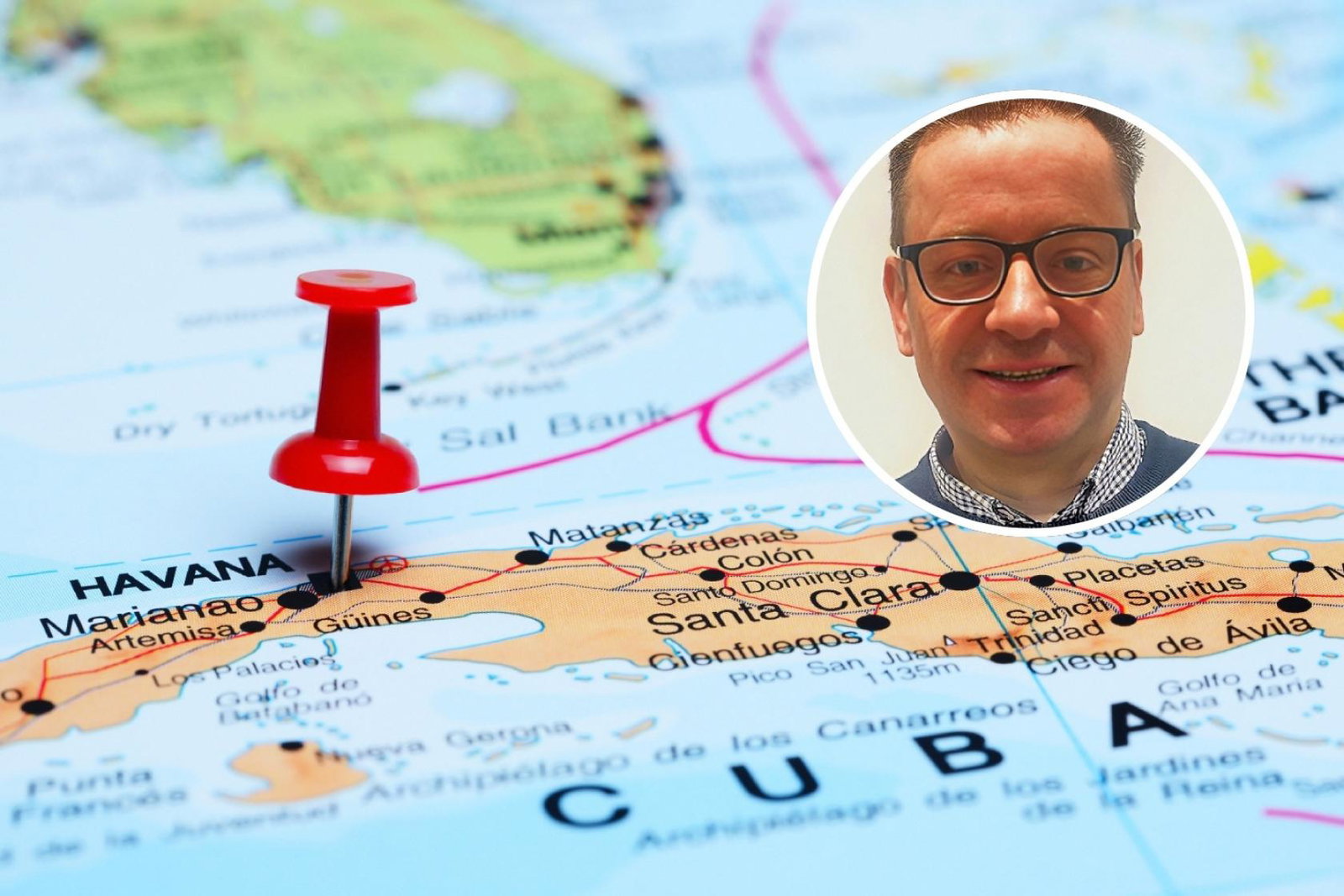
Matthew O'Sullivan is a travel specialist at Archipelago Choice. He is the former owner and director director of specialist tour operator Captivating Cuba and has 35 years' experience working in and with the destination.
Sign up to the TTG Daily newsletter
Receive the latest travel trade stories, insights and analysis every weekday.