The Spanish Tourist Office has compiled a list of its five least-visited regions and attractions in a bid to accelerate its overtourism tourism strategy and support diversification of geography, seasonality and demographic rather than chasing volume of visitors.
Rioja: the least visited region
With only approximately 10,000 British tourists in 2023, La Rioja is the least visited region of Spain and welcomes only 0.06% of the total number of British tourists that visit Spain each year. With more than 500 wineries, it is internationally known for its red wine production and vineyards. Beyond this, La Rioja has a host of cultural attractions thanks to its links to the Camino Santiago pilgrim route.
Mariña Lucense: the least visited coastal region
La Rioja isn’t the only location with barely any tourists, however. Mariña Lucense in Galicia is a little-visited coastal region, which had around 1,800 tourists visiting in 2023, the equivalent of 0.01% of the total British visitors to Spain. The region is located on the shores of the Cantabrian Sea and known for its beautiful mountains and beaches, such as the Catedrais (The Cathedrals).
El Hierro: the least visited island
As the least visited island, El Hierro in the Canaries received fewer than 200 British visitors in 2023, which is equivalent to less than 0.01% of the total British visitors to Spain. As the westernmost island of Canarias, El Hierro is known for its lush volcanic landscape and clear night skies perfect for star gazing.
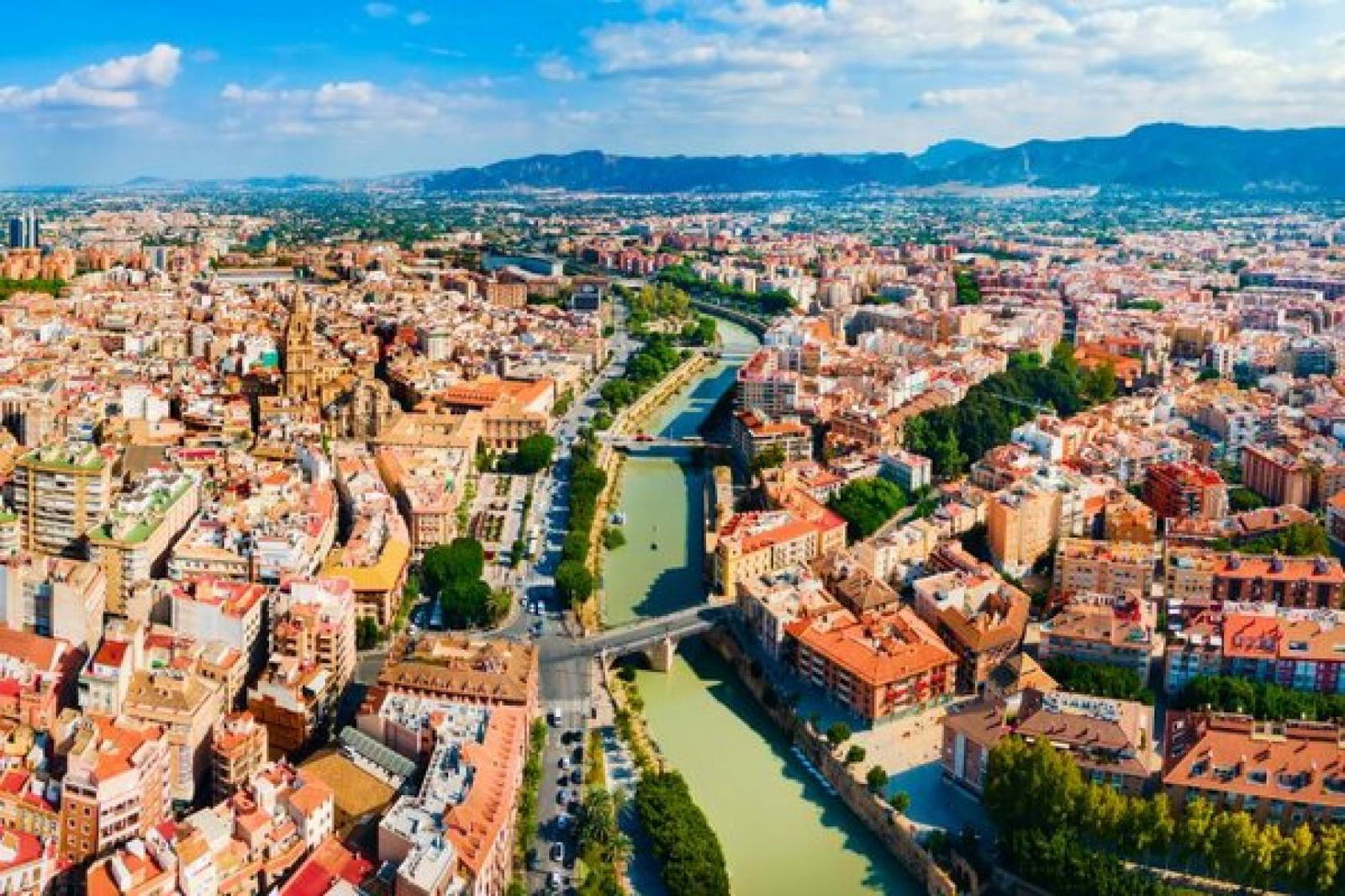
Murcia: the least visited (major) city
As far as major cities go, Murcia is the least visited, according to data by INE produced in 2021. Renowned for its traditional gastronomy, Murcia’s local cuisine is bolstered by the excellent fruit and vegetables grown in the region. Beyond this, Murcia has a wealth of beaches, mountains and cultural sites to create a jam-packed city break itinerary.
Yuso and Suso: the least visited World Heritage Sites
The least visited Unesco World Heritage Sites are the Monasteries of San Millán de Yuso and Suso, and the Ciudad Vieja de Cáceres. Some of the most culturally significant places in Spain, Suso Monastery is where Castilian Spanish was first spoken and Yuso Monastery holds one of the most important libraries in Spain thanks to the age and value of its documents.
“Spain is not a touristic country in itself,” says Manuel Butler, UK director of the UK Spanish Tourist Office. “Tourism is focused in several areas and we have too much to offer, so diversification is something that we are looking for, for the prosperity of the people living there and the tourists as well. These are just a few of the many examples that you can discover or rediscover in Spain, which are not touristy.”
In fact, 80% of British tourists visit the same five regions of Spain, according to the UK Spanish Tourist Office. An estimated 18.4 million British visitors travelled to Spain in 2024, with the most popular destinations being the Canarias (32.2%), the Balearics (19.4%) and the Valencian region (16%). The final two regions are Catalonia and Andalucia and total 12.4% of visits by Brits.
Primary motivations for travel to Spain include beach holidays (76%), city visits (58%) and shopping (53%). Pedro Medina, deputy director of the UK Spanish Tourist Office, added: “Spain as a country is still unknown to many British tourists.”