





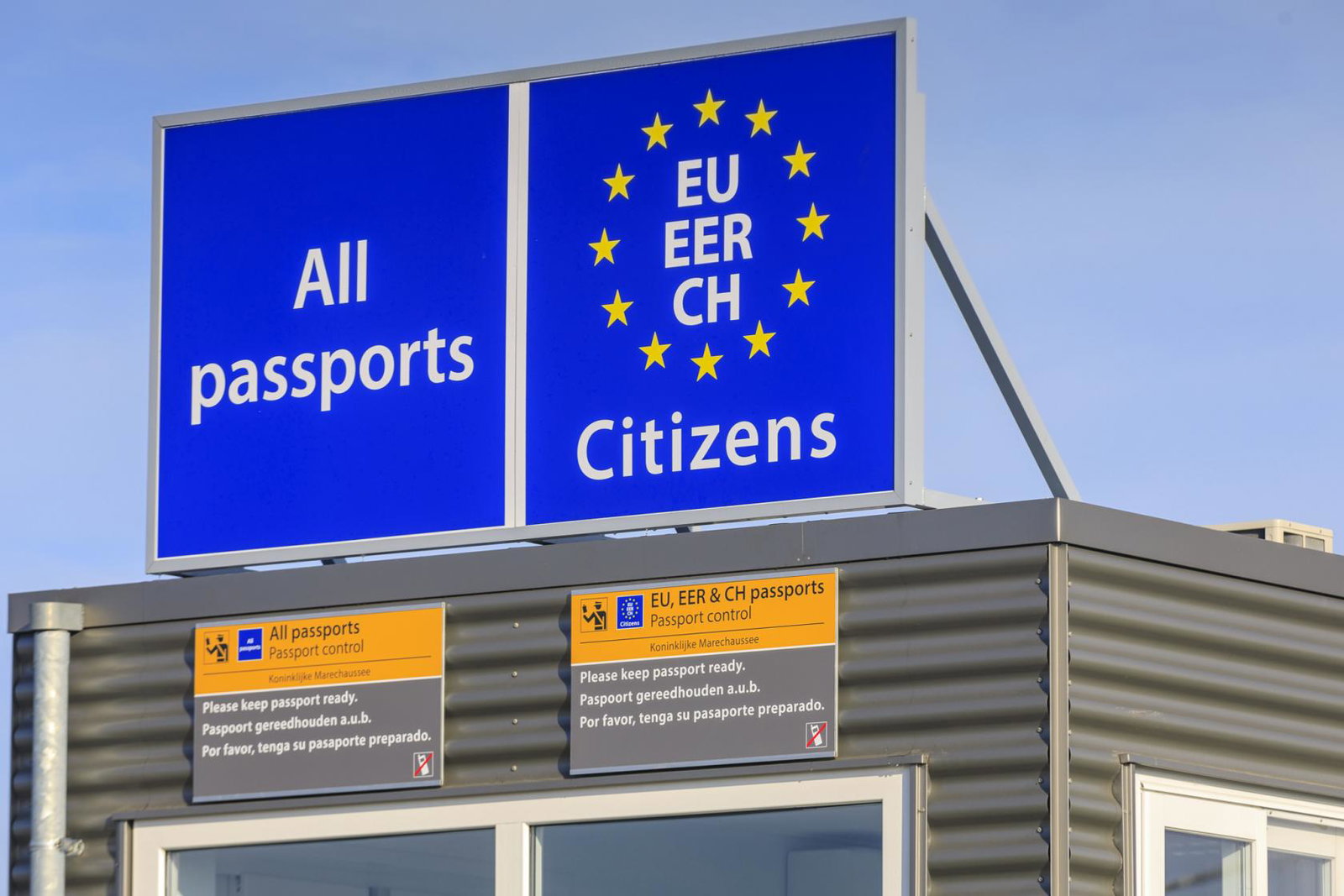
While in the longer term the EU Entry-Exit System (EES) could make going through passport control quicker, initial disruption is expected as the new system beds in – which could impact the October half term holiday.
Abta’s director of public affairs, Luke Petherbridge, says while the “progressive rollout” of the EES is designed to mitigate delays, travellers could still face longer queues.
Many agents have been preparing clients for the implementation of the EES as best they can, with posters and hand-outs, but Abta polling has found that 39% of those planning to travel to Europe over the next 12 months are unaware the new system is coming into effect. Meanwhile new research commissioned by Holiday Extras found the majority (82%) of Britons are unsure how the EES will impact their travels, with 35% unaware of the scheme, despite its imminent launch.
Here, TTG breaks down some key pieces of information agents and their clients should know – including new information about how EES will affect cruise travel.
(Credit: iStock / Laurence Dutton)
So what do agents need to know?
In summary, the new EES affects UK and non-EU travellers visiting the 29 Schengen Area countries but is free-of-charge, and does not require the traveller to do anything in advance. Here’s a breakdown of how the system will operate at the UK’s various exit points:
Air or ferry
Checks will be done at the Schengen border – so those arriving by air or ferry (other than from the Port of Dover – explained below) will be registered at the border on arrival in their destination country.
The Port of Dover
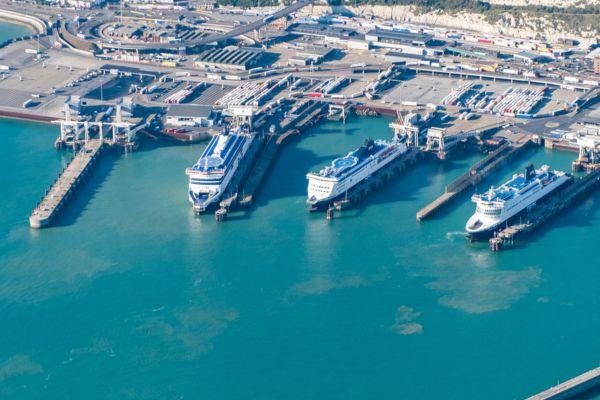
The Port of Dover has been given £3.5 million by the government to spend on registration kiosks and infrastructure. those using ferry services from the Port of Dover will be registered with either kiosks at the purpose-built Western Docks processing area or a combination of agents and tablets, depending on their vehicle, before being directed to the ferry terminal.
Credit: iStock/ Chris Mansfield
Eurostar
Eurostar has also been given £3.5 million by the government to spend on registration kiosks and infrastructure.
Those using Eurostar from London St Pancras International will eventually need to use self-service pre-registration kiosks, which will be located in three areas of the station, before going through the ticket gates.
A spokesperson told TTG Eurostar is introducing the system in a phased, “optional manner”. In the early stage, only select routes and passenger groups will be asked to pre-register via kiosks, and current checks will continue in parallel.

Eurostar is ramping up services between London and Amsterdam (Credit: Eurostar / John Adrian)
Over six months, it will expand to all eligible travellers “with minimal disruption to check-in times and operations”. According to Euronews Travel, Eurostar passengers may also be asked four questions about pre-booked accommodation, a return ticket, funds sufficient to cover their stay in the EU, and insurance. While Eurostar states passengers only need to arrive at St Pancras at the recommended time stated on their ticket, Advantage Travel Partnership’s CEO Julia Lo Bue-Said advises all travellers “allocate additional time for security and to verify that all of their information is readily available prior to departure”.
Eurotunnel
Travellers using Eurotunnel at Folkestone will be directed to a purpose-built pre-registration area to use self-service pre-registration kiosks, before continuing to embark on their journey.
Cruise
Cruise presents a slightly more complicated picture. For those travelling on a cruise and stopping at any of the European countries involved in the EES, whether they need to go through the EES will depend on where the cruise starts and where the itinerary ends.
Petherbridge explained in a briefing at the Abta Travel Convention this week that if a cruise departure is from a UK port and returns to a UK port, passengers will not need to complete the EES registration [this is regarded as transit], nor will cruise passengers need to do EES entry or exit checks for EU day trips that are part their itinerary.
Those flying to a European country to pick up a cruise however will complete the EES process at their arrival airport. If their cruise ends in an EU country, their exit information will be captured at the border check of the country they are flying home from. The Gov.uk website adds that travellers who disembark a cruise within the Schengen Area, and travel onto a further destination, including an alternative port, by other means, will need to complete EES checks when leaving the ship.
The EES was initially supposed to be launched in 2022 (Credit: iStock / Pakawadee Wongjinda)
Not all travellers will be affected… yet
The EES rollout will be phased over six months, so it may be that agents’ clients do not encounter the system immediately, or do not need to take part in biometric checks. We do know that as of 12 October at least one border point in each country should operate the new system, increasing to 10% of border points after the first 60 days. By December, borders operating EES will start to take biometric checks (facial scan and/or fingerprints).
So what’s the timescale?
By January, half of border points should be operating EES, with at least a third of passengers going through the system, and by March, all borders will be operating EES and taking biometrics, processing at least half of passengers through the system. The target for the system being fully live, with all borders processing all passengers through EES, and taking biometrics, is 10 April 2026.
What’s the purpose of EES?
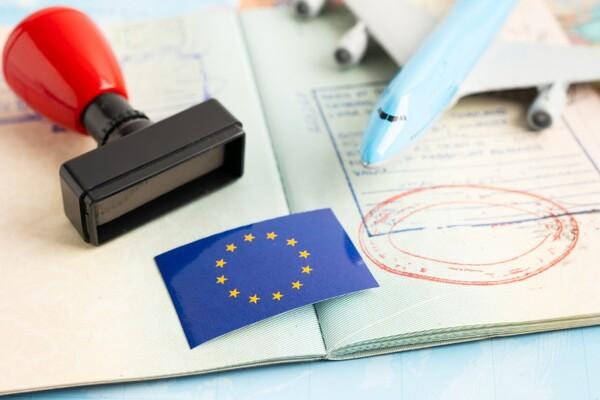
The purpose of the EES is to replace manual passport stamping and track the 90/180-day visitation allowance.
Data will be held on file for three years after the last trip, after which the process will have to be done again. Children under the age of 12 are not required to provide fingerprints, while a new passport will require a new EES registration.
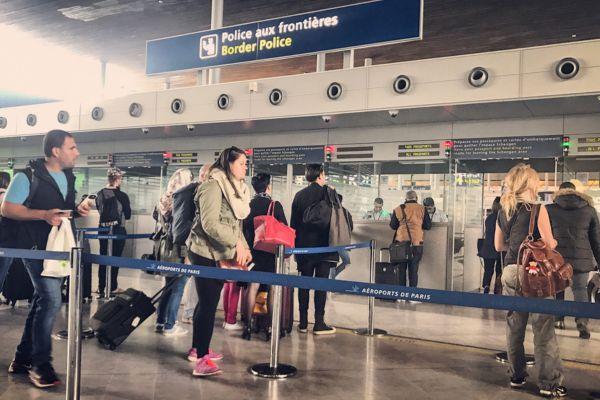
Will this mean longer queues?
As mentioned above, travellers should be prepared for the possibility of slightly longer queues at the border.
Credit: iStock/ Anouchka
What do clients need to know?
Travellers are advised to carry information on their travel plans, as they may be asked questions about their travel plans, medical insurance and finances.
For the juxtaposed borders, the checks will occur in the UK (Dover, St Pancras, Folkestone).
What if clients have dual passports?
Christina Brazier, Aito’s head of industry affairs advises those with a dual (UK/EU) nationality to use their non-UK passport.
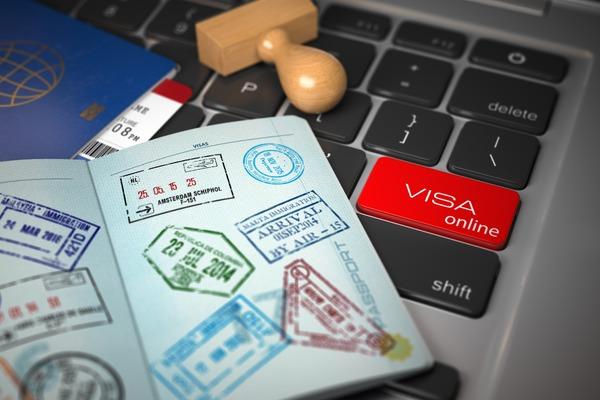
It will become easier to detect whether a person has breached their 90/180-day limit for travel within the Schengen Area.
How are agents preparing for the changes?
Around 300 Abta members joined a conference call with the UK Cabinet Office last month, with more watching on catch-up, while the Advantage Travel Partnership recently hosted a government-led webinar for its members and had over 200 people on the call.
Tony Mann, director of Advantage member Idle Travel, says while “a lot of customers don’t know about EES”, for around two months the agency has been “letting people know”. It has utilised materials provided by Advantage, but adds the upcoming European Travel Information and Authorisation System (Etias) is providing more confusion. “These things are an opportunity for agents to show their value though,” adds Mann. “People aren’t getting this information online.”
Nicholas Lee, managing director of Travel Network Group member Broadland Travel Worldchoice, meanwhile, tells TTG the agency has been briefing customers about the upcoming changes for the past six months. It has a poster about the topic in the window, and has been providing information with bookings.
Nick Parry, co-owner and director of TTG Top 50 2025 agency Arundel Travel, adds: “As travel agents our job is to keep our customers and ourselves informed about all the developments. We do this with regular visits to the Abta website, getting our staff to regularly read the updates, and we make sure the EES is always prominent on the paperwork in confirmations we send to our customers.
“We try and make sure we have really valuable conversations with our customers, but they are limits on what you can talk about when there are a lot of things that are not known.”
The way we travel to the European Union is poised to changed dramatically over the next 18 months (Credit: iStock / dmbaker)
What agents need to know about Etias
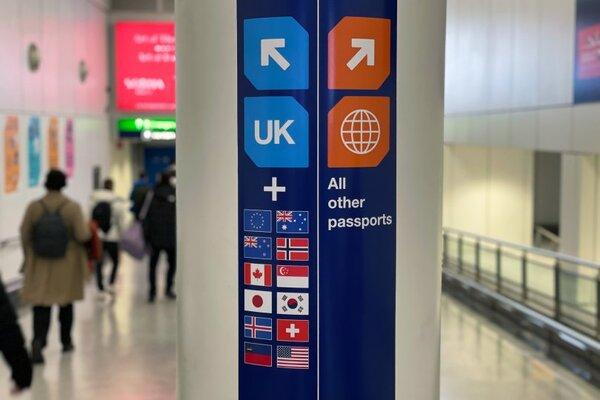
Etias is the EU’s equivalent of the US Esta and is due to launch in Q4 2026, will require travellers to pre-apply for travel to 30 European countries.
It is due to cost €20, with Etias registrations lasting three-years, or until the passport expires (whichever is sooner).
The scheme will apply to all third country travellers (from visa-free countries), but will be free for under-18s and over-70s.
The enforcement is going to be stepped up over the course of a year, and importantly, there is only one official site for purchasing Etias registrations (and the system is not yet live). Aito’s Brazier warns there’s a danger some consumers could fall foul of online services that offer to process applications unnecessarily for a fee. “Make sure your customers are not logging onto websites and paying,” she urges.
For more details and further information on the EU's new biometric border rules and visa waiver, check out our additional Q&A here.