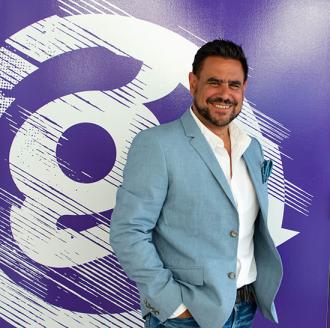
Brian Young, managing director of G Adventures, has acted as a mentor to employees and other travel professionals over the years
“There’s different ways of looking at mentoring. You can mentor one individual for a long time, or lots of people can come to you for advice over a short time period.
“Mentoring can be ad hoc and doesn’t need to be formalised or scripted. It doesn’t need to take up much time – I’d say an hour-long conversation is average, so if you’re considering mentoring, don’t be put off by the time commitment.
“My tips for being a good mentor are to create a safe space so that the mentee knows they won’t be judged and trusts the information will be kept confidential – the relationship needs to be built on trust, first and foremost.
“It’s also important to listen. Sometimes mentees don’t need advice, they just want to talk and be listened to. If they do need advice, often when they talk things through they’ll find the answer themselves – you act as a sounding board and can also draw on your experience to present a way of doing things. Getting that second opinion builds confidence in the mentee that they know what they’re doing.
“Mentorship is now more important than ever. We’ve all gone through lots in the past 12 months on a professional and personal level. It’s important to talk and get advice on your career, and [to realise] it’s OK not to be OK.
“This industry has given me lots and I see mentoring as a way of giving back. If you’re thinking about being a mentor just go for it. It’s massively rewarding and you learn a lot.”
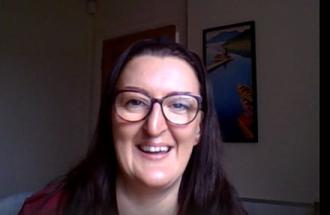
Travel Counsellor Tina Tomlinson is a mentor on the company’s new mentor programme
“I currently have four mentees, all new recruits for Travel Counsellors from different backgrounds and with different specialisms.
“We agree the frequency of our meetings together – it must be led by the mentee. Working with them can also be reactive; we can speak every day if they want me to help them with problems for example, but we’ll also have check-in meetings at least every month for between 30 minutes and an hour, where they can take a step back and look at what’s working, what hasn’t and their future plans.
“Particularly during this time, where they might not be making lots of bookings, it’s been very important to have that time where the mentees can focus on their achievements. It‘s helped me learn and develop my skills during a challenging time too.
“It’s important to adapt to different needs as a mentor – for example one of my mentees is very self-sufficient while another likes to get in touch up to four times a week. It’s all about sharing knowledge and personal struggles – they know lots already, so it’s good important for them to feel they’re helping you too.”
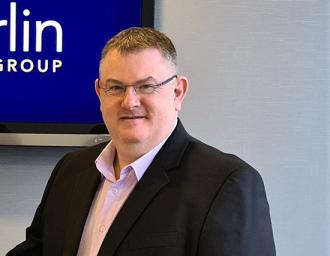
Merlin Travel Group, a member of Protected Trust Services, is launching a mentoring programme for homeworkers this month. We spoke to director Garry Butcher
“We’ve had a more top-down mentoring programme in place for the last six months but due to us growing the size of our homeworking team this is no longer sustainable so we’re launching a mentoring programme that will be partly delivered by our existing agents. Some of our agents are very knowledgeable destination specialists so they can help our new homeworkers by sharing knowledge and also their experience of homeworking.
“We’re keen for our homeworkers to have one-to-one partly peer-led mentoring and business development opportunities rather than a blanket ‘one-size-fits-all’ approach. It needs to be tailored to individuals and their needs.
“To be a good mentor you need a level of experience but also be up for the challenge of supporting someone through a person-centred approach and without saying ‘do this or that’, as then you become a manager.
“During this time, mentors have an important role in providing information and practical support to help mentees move forward if they feel a bit stuck, and being there at the end of the phone or video call to keep motivation and morale up.”
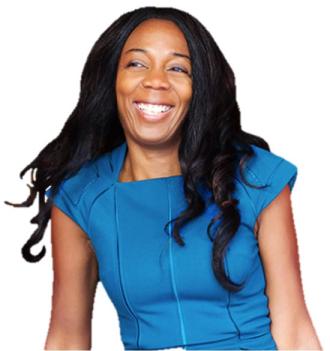
Jenny Kovacs is a visibility specialist and was named ITT’s Mentor of the Year in 2020
“The relationship between a mentor and mentee is reciprocal – you both learn from each other and that’s what I love about it.
“There’s a perception that only chief executives or people on a board have mentors when actually we can all have mentors, whatever our age or seniority.
“As a mentor, you need to be able to give and receive advice. You also need to be courageous and put yourself out there, as that shows others what is possible.
“People might think they need to be motivational or inspiring to be a mentor but your very ordinary and everyday insights can be gold to someone else.
“I’ve been a sounding board and advisor to many directors in the travel industry. Sometimes they’ll be very confident and want to do things in a very specific way but often I’ll have insights into a different way to do it or observations for where there are blind spots.
“To be a mentee isn’t a sign of weakness. The most brilliant and successful people have been mentored. I’ve been mentored myself and that made me a better mentor. It’s great to see how others approach things; it adds tools to your own toolkit.
“Travel has been through a very tough time and we’re all navigating our own tough times. The act of being able to help someone else through mentoring, even when you’re struggling yourself, is cathartic and creates a ripple effect, helping you and others.”