People want to do the right thing, but they need us to make it easy,” said Rochelle Turner, global B Corp impact manager at Intrepid Travel, in the penultimate TTG Sustainable Travel Heroes workshop.
Focusing on positive-impact travel, this educational session emphasised how the strongest travel memories are often made by connecting to local communities; how fostering these connections creates a higher net promoter score (NPS) – a key indicator of customer satisfaction and loyalty; and why it’s up to the industry to create sustainable experiences – not the individual.

How do positive-impact projects enhance experience?
Positive-impact projects can often form unexpected moments that stand out from a trip and make it memorable, explained Lucy Wildman, senior partnerships manager at Intrepid.
She described how, during a visit to Rajasthan in India, a lunch stop at a cafe run by female acid attack survivors left a more lasting impression than sites like the Taj Mahal. She said: “It made me think – how can I build some of that resilience into my own life?”
It’s moments like these that really capture the significance of positive-impact experiences, which help foster connections between tourists and locals, leading to greater concern for sustainability in the destination and more memorable, impactful trips for customers.
“But we have to stop thinking it’s the travellers’ jobs to make the change – it’s on us as businesses,” added Turner.
What exactly is community-based tourism?
Community-based tourism (CBT) involves abiding to rules set by the community itself to ensure an authentic and respectful experience for visitors that benefits the locals rather than profiting an individual stakeholder.
“Ultimately, these are community-owned, led and managed initiatives that will benefit the whole community,” explained Wildman.
The benefits are endless, whether that be social, economic, infrastructural or environmental. Plus, CBT and positive-impact travel have a direct effect on business success.
“According to customer survey data, travellers who saw that their trip positively impacted local communities were far more likely to give a high NPS,” said Turner.
A higher NPS means customers are more likely to recommend that company, return for future bookings and sharetheir positive experiences with friends or online. “This isn’t just a ‘nice to have’; it’s a real business focus,” Turner said.
What are the potential risks of volunteering projects?
Volunteering projects can be brilliant for local communities, explained Turner, but you have to ensure these projects have come from the community itself. “There are organisations that understand what these communities want and find people to volunteer, which is great. But if [the support is] coming from organisations without enough consultation, then it’s not doing the job that needs doing.”
Be aware that some volunteering programmes are created for all the wrong reasons, too.
“Never ever encourage volunteering in schools and orphanages,” said Turner. This can take away from education, there are rarely security measures or background checks, it can be emotionally draining for all involved including the children, who can struggle to form real attachments in future because they are used to people leaving.
It’s important to make sure the companies offering volunteering projects are reputable, are genuine and are transparent about their work, Turner advised.
How can tourism support wildlife conservation?
More than 80% of the value of global tourism is dependent on nature, explained Wildman. At Intrepid, more than 60% of all trips include visits to nature or protected areas. As an industry, finding ways to give back and help protect these eco-systems is vitally important, given the travel industry’s dependence on it.
Citizen Science projects invite the public to collect valuable data that can be used by scientists around the world. For example, individuals can take photos of whales’ fins, which are then used in scientific research.
Intrepid has Citizen Science projects on its Antarctica cruises on Ocean Nova. Wildman said: “It’s a way of embedding these initiatives into itineraries without it feeling like an add-on or something extra they have to pay for. It’s an excellent way to educate and also get tourists involved in helping protect wildlife and the biodiversity of these regions.”
Leading by example
SNORKELLING IN SANTORINI WITH EASYJET HOLIDAYS: “We know our customers aren’t sustainability-driven, so we get them involved without using that word,” said Ollie Payton from easyJet holidays. Instead, the operator has funded a client-facing experience in partnership with The Conservation Collective and the Cyclades Preservation Fund that means travellers can go snorkelling on the Greek island of Santorini and support seagrass protection in the process. They can see the “Amazon of the Mediterranean”, its Posidonia meadows, first-hand. “My experience of the snorkelling was incredible because the eco-system itself was so vibrant and full,” said Payton. “You get a 45-minute experience in the sea and you realise it’s worth protecting.”
IBEROSTAR’S ARGAN OIL EXPERIENCE IN MOROCCO: Iberostar is working with a cooperative in Morocco to empower local women from agricultural communities, helping to provide an income for over 100 so far. Aishling McLoughlin, business development director UK and Ireland, said: “We invite them into our hotels and they provide an argan oil experience. It’s fantastic for the customers – they learn about this wonderful product and get an authentic experience by speaking with these local people. It also provides an income for these women.”
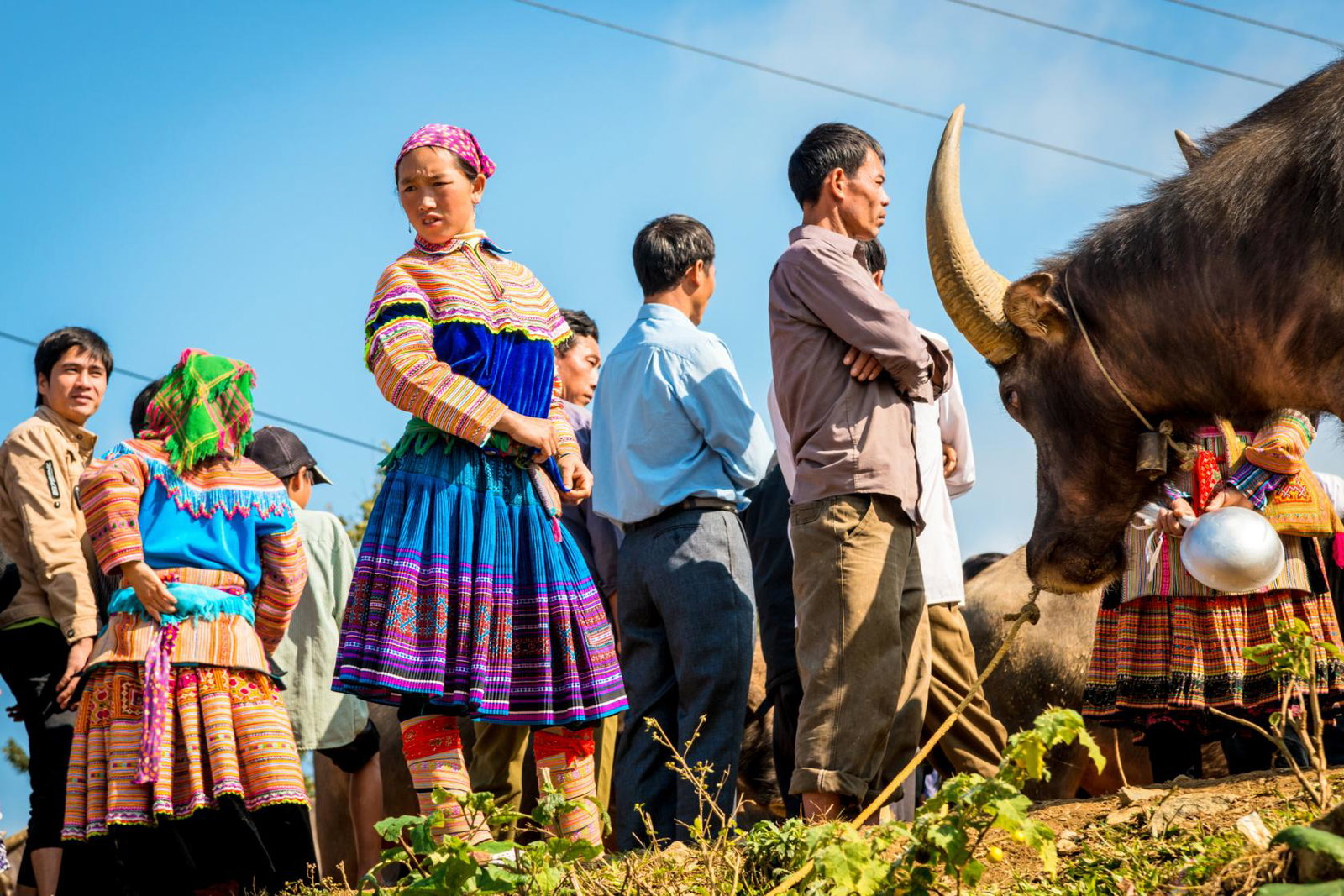
VISITING VIETNAM’S DA BAC WITH INTREPID: Intrepid has worked with the Da Bac community in Vietnam to create a number of authentic experiences for visitors to the area, including homestays and trekking. “This initiative has been able to spread into other rural communities within Vietnam because they’ve seen the positive impact that community-based tourism has had on these neighbouring communities,” explained Wildman. Recommend the operator’s 15-day Scenic Vietnam itinerary for a taste of this positive impact tourism.
Find more sustainable travel insight and selling tips at ttgmedia.com/sustainabletravelheroes