Making India accessible
To make the trip a reality, Travel Counsellor and accessible travel expert Richard Thompson stepped up. Having broken his neck in a skiing accident, Thompson has used his insight to facilitate travel for disabled clients for more than 20 years and was able to ensure Clarke’s needs would be met on the ground.
“Nadia is a remarkable young lady and I saw that the first time I met her. I’ve done a lot of trips for her over the years and her family too. I know what her requirements are and I know what her spirit is about. I know that she doesn’t want an easy option – she wants to be challenged.”
Although Clarke was keen to make the trip, Thompson was well aware of the limitations of India as a destination for clients with accessibility needs.
“When we went to look at the Golden Triangle, there was a big issue in that there were only three adapted taxis for wheelchairs in the whole of India and all of them were in Mumbai.
“The industry there hasn’t recognised the opportunity, but that goes for most countries in the world – and when you don’t have any adaptable transport, that makes it difficult to do anything.”
The next step for Thompson was touching base with his DMC contact, Vivek Angra, founder president of TWX, who helped persuade one of its local transport operators to adapt a vehicle in Delhi.
“Once we had that agreed, we started work on the itinerary and the TWX team in India went over every inch of the ground. They visited Old Delhi and found wheelchair-accessible routes, sourced accessible hotels, which they inspected in terms of having adapted bathrooms and doors that were wide enough, and educated the tour guides at the major attractions on the itinerary. The work put in was phenomenal,” he says.
In terms of Clarke’s day-to-day requirements, her two specially trained personal assistants were on hand to ensure that everything went smoothly.
“The result of all the planning was that we had an itinerary which has never been done before by anyone with the level of requirements that Nadia has. She has shown the tourism industry that this is possible,” says Thompson.
Opening new doors
Thanks to the success of Clarke’s holiday, Thompson reveals that he will once again be partnering with TWX to open up more areas of India with plans for adapting a van and setting up a tour in Kerala.
“We will definitely be working with Nadia going forward because she is going to be a great influencer, not only to industry professionals but also to disabled people around the world.
“Now that we’ve started and that we’ve got the door open for people on the ground such as TWX, the tourism board wants to embrace this kind of travel as they see it as a fantastic opportunity for India.”
Clarke herself had nothing but glowing reviews from her trip, especially for the accommodation she stayed in.
“The Taj Palace hotel was so beautiful – out of this world. The reception was so big and had stunning flower displays and interesting pictures to see. From the doormen and chefs to the cleaners and the waiters, customer service was number one,” she says.
One highlight of the trip for Clarke was a spice tour in Old Delhi.
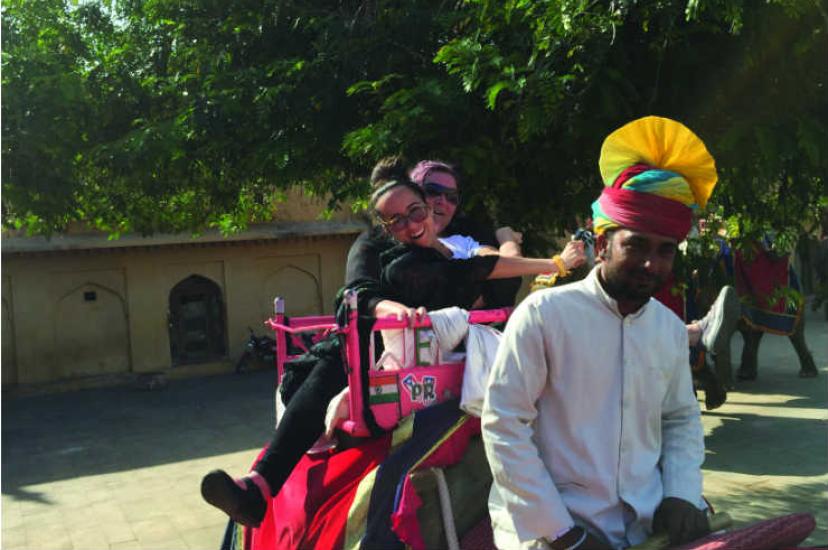
“It was a brilliant experience – so much culture to see. There were so many bright colours. There were thousands of shops on the streets. I looked at and smelled all different types of tea and listened to the history of spices and [learned] which ones came from India and the different types of spices that came from the same plant.
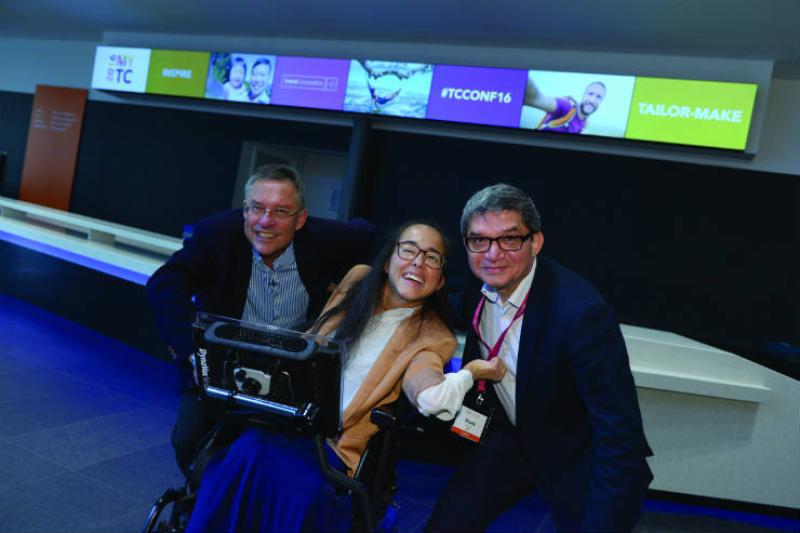
“I didn’t think it would be possible until Richard told me that the company planned to make my dream a reality after I shared my story at the conference. I’m incredibly grateful to Travel Counsellors for making this happen.”
Understanding clients’ needs
For agents less confident in selling holidays to disabled clients, Thompson stresses the importance of asking as many questions as possible to ascertain their needs. These might include assistance at airports for wheelchair users, ensuring hotels have equipment such as hoists for lifting customers out of bed, chairs or baths, and having audio induction loops for customers with hearing aids.
He adds: “I’m creating a knowledge base within Travel Counsellors’ intranet that my colleagues can use. For example, for Tenerife I’ve got a matrix of accessible hotels that details what is in the rooms, where the accessible beaches are, what the facilities are like on the beach, where to find adapted transport and guides on how to book cruises and arrange shore excursions.”
Travel Counsellors’ chief executive, Steve Byrne, explains the importance the company puts on recognising and selling travel to the reduced mobility market.
“We have Travel Counsellors like Richard who specialise in [the market] and other agents who are involved in booking these kinds of trips – it’s important we support all Travel Counsellors and the needs of their customers. Secondly, there is a commercial opportunity – it’s a market that is untapped. And thirdly, we think it’s the right thing to do and we want to make a positive difference to people’s lives.”
Ensuring the company is up to date on everything accessible travel-related remains a top priority, adds Byrne.
“We are creating a dedicated help desk and content bank for customers who require specialist itineraries or support. Secondly, we are investing in a dedicated support team at our headquarters for staff who want help in creating itineraries for clients with accessible travel needs.”
Byrne adds that for Travel Counsellors the ultimate goal is to inspire more clients to travel to destinations they may not have thought possible.
“If, by sharing Nadia’s story, we can help to get clients to go and do the things she has done, then it’s a great thing. We hope to grow our accessible travel area organically and I haven’t set any lofty aspirations. But as a business, we want to do better and we want to shout about what we are doing so other people know that they can take advantage of the product and services we offer.”