South Korea is one of the fastest growing destinations for UK travellers, with industry insiders predicting that in 10 years’ time, the country will be as popular as Japan.
And it’s easy to see why.
For clients who want to discover 5,000 years of history, immerse themselves in kitsch K-culture and explore cities, coast and countryside in one trip, South Korea ticks all the boxes.
It’s also possible to combine all it has to offer with a ‘slow travel’ approach, letting the train take the strain, such as on Inside Asia’s new Korea by Rail tour.
Typically a 13-day itinerary, it’s perfect for intrepid travellers and those looking to discover the country at a relaxed pace.
Seoul may be a bulging metropolis of more than 10 million people, but I was pleasantly surprised by how quiet it was, a sprawling city that feels cool, calm and collected.
Signs of the country’s economic prosperity are everywhere, from its hi-tech underground system to the space-age-inspired Dongdaemun Design Plaza designed by late architect Zaha Hadid.
Walking the city as a first timer it felt strangely familiar, probably in part due to the “Korean Wave” that’s swept the globe thanks to TV shows such Squid Game, Oscar-winning film Parasite, bands like BTS and Blackpink and of course, delicious Korean food.
Inside Asia prides itself on its guides. Often locals or expats who’ve lived in a destination for years, they easily take visitors off the beaten path.
We walked the pretty Han River, sprawling Gwangjang Market – one of the most vibrant traditional markets in Seoul – and hip Seongsu-dong where style-conscious Koreans come to see and be seen.
Known as the Brooklyn of Korea, this is one of the city’s most influential areas with pop-up shops selling Labubu, flagship fashion and K-beauty stores, coffee shops, bars and restaurants. Ending with a walk along a section of the 600-year-old Hanyangdoseong (Seoul City Wall) we were treated to spectacular views of the city and the surrounding hills, which are a huge magnet for hikers.
Rail life
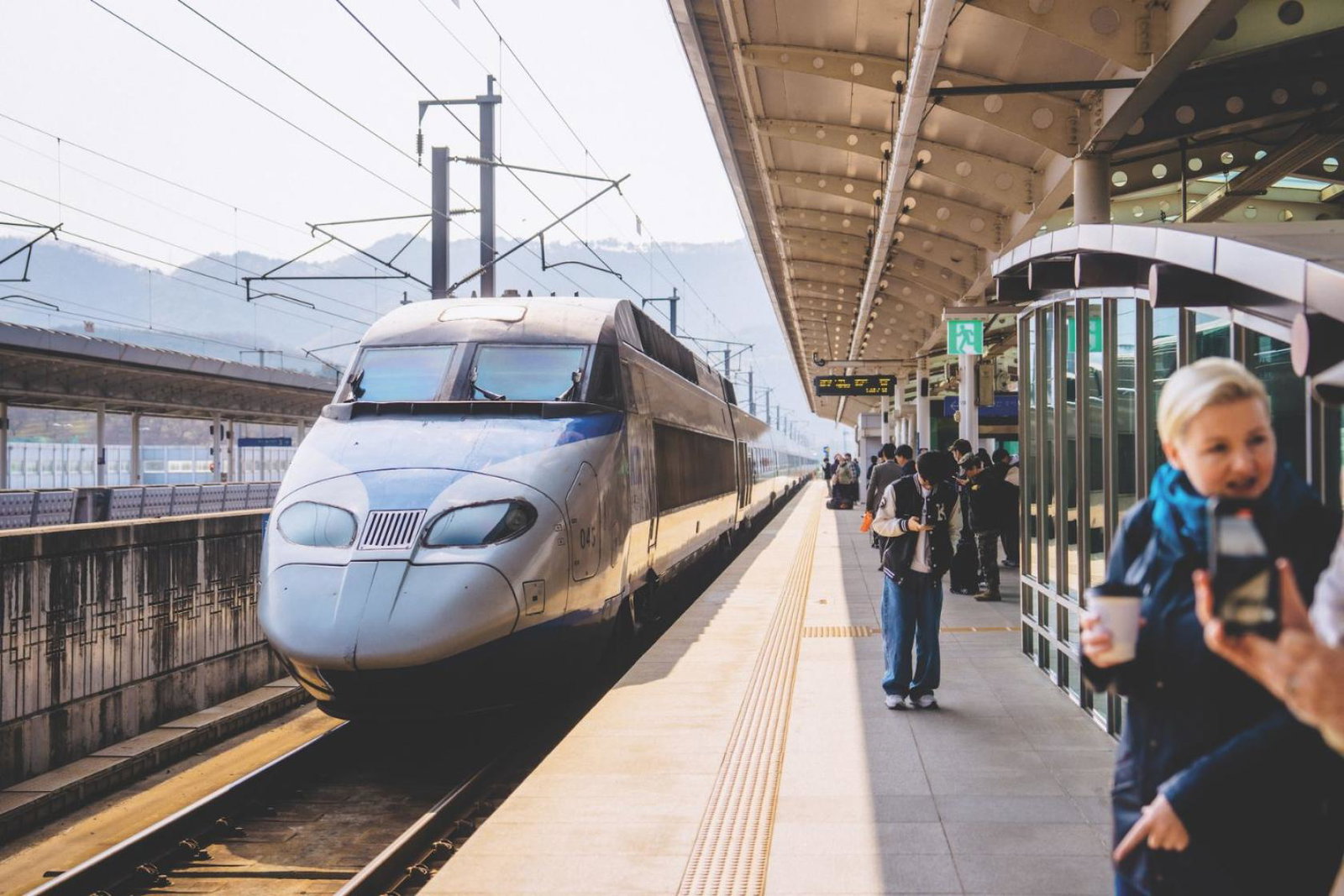
City time is easily combined with striding out to see what else the country has to offer, thanks to Korail’s KTX bullet train from Seoul to Gangneung.
Only opened in 2025, the first stretch of the new Donghae east coast railway line connects Gangneung in the northeast, to Busan in the south, allowing passengers to do a full circumnavigation of the country by train for the first time. Carriages were clean and quiet – talking loudly is strongly discouraged – and the two-hour journey took us past mountains, forests and cities peppered with soaring skyscrapers.
In coastal Gangneung, pine-framed beaches, mountains, modern art and history collide. Anmok Coffee Street is an ode to Korea’s love of cosmopolitan coffee culture – kitsch as it comes with an original ‘70s era coffee vending machine at the entrance of the street.
At the other end of the scale, Ojukheon House is a well-preserved Joseon-era home, birthplace of Yi I, one of Korea’s most highly regarded Confucian scholars.
Overlooking the East Sea, Hassla Art World invites visitors to immerse themselves in the quirky art park, housed in a modern geometric building.
There’s a vast collection of sculptures, paintings, modern art and, randomly, a Pinocchio Museum, as well as a cafe with an impressive super-sized sculpture suspended from the ceiling.
Back on board for the three-and-a-half-hour journey from Gangneung to Gyeongju, this was the only part of the journey that was not on the higher speed KTX line when I travelled - but the high-speed service has now started (in December), cutting 1h30 off the journey.
Once the capital of the Silla Kingdom, Gyeongju is often referred to as a museum without walls, dotted with dozens of ancient tombs, temples and heritage sites. Its history stretches back more than 1,000 years and much of that legacy remains visible in its streets and surrounding areas.
Sumin, our engaging guide, enthusiastically recounted the history of the eighth century Unesco-listed Bulguksa Temple and Seokguram Grotto, a relic of Buddhist culture from the Silla Kingdom.
Lunch at Yangdong Folk Village gave us time to explore Korea’s largest traditional village – some houses are over 200 years old – and meet an eighth-generation resident who was happy to chat and share stories about his ancestors.
It’s worth recommending spending a decent chunk of time in Gyeongju if time allows. Walking amongst the burial grounds was strangely calming and joining the nighttime crowds at the pretty Donggung Palace and Wolji Pond is a must-do.
I’d have liked more time exploring the city and area around Hwangridangil street, where traditional hanok houses now serve as hotels, restaurants, wine bars, quirky shops and cafes.
Visitors can hire brightly coloured golf carts and bikes to get around too, and it’s not unusual to see people walking the streets dressed in traditional Hanbok dresses heading for a photo shoot amongst Daereungwon Tomb Complex.
Port of plenty
I was intrigued to discover what South Korea’s second city would have to offer and didn’t have to wait long, as whizzing down to Busan on the next leg of the trip, the super-fast KTX line between Gyeongju and Busan took less than an hour.
A popular Korean weekend beach getaway, Busan couldn’t be more different to Seoul; a trading port, it’s gritty, garish and grimy – everything I love in a city.
On the coastal path, Haedong Yonggungsa is a garish Buddhist sea temple. Built on the edge of a cliff this place is an attack on the senses where the kitsch dial has been turned up to the max – there’s a giant, golden Laughing Buddha, pagoda, small bamboo forest and statues of the 12 animals of the Chinese zodiac.
Like a lot of places in Korea, the temple is a reimagining of the original; it felt more like a theme park than a temple to me, but was still definitely a part of the authentic Busan experience provided by Inside Asia.
Once a slum for refugees during the Korean war, Gamcheon Village has been transformed into a tourist destination. Sometimes referred to as the Santorini or Machu Picchu of South Korea, don’t come here expecting to find remarkable beauty and ancient citadels. It’s all about selfies with the Little Prince – said to be a symbol of hope and renewal – and wandering the maze-like tangle of brightly coloured streets and houses that tumble down to the port. Cafes, gift shops, bakeries and restaurants line the busy streets at this Busan favourite.
As part of the Korea by Rail itinerary, clients also get to experience a street food tour of Busan by night.
Drinking and eating culture in Korea is huge, so this is definitely one to suggest.
We ate incredible food during the trip anyway – from some of the best tofu I’ve ever eaten, to kimchi recipes that have been handed down through generations. Food-loving clients won’t be disappointed in South Korea; I’d go back for the food alone.
Our guide took us to a lively spot to sample Korea’s famous haemul bindaetteok (seafood mung bean pancakes), ojingeo muchim (spicy squid salad), beer and one too many shots of soju – Korea’s renowned local spirit. A stop at a seafood restaurant in Jagalchi Market involved sashimi and san-nakji – live octopus tentacles – not a dish for the faint hearted, or vegetarians.
But the ultimate late-night pastime is drinking and eating at a pojangmacha. Literally translated to “covered horse cart” these tents have become synonymous with old-school Busan culture. What did we eat? I can’t quite remember. What did we drink? A lot, and this is where it all became hazy.
Catching our final KTX bullet train from Busan to Seoul – an easy 2.5-hour trip – the penultimate day involved a cookery class at the Seoul Cooking Club followed by a final, fabulous flourish at Showflix.
I can think of nowhere else I’ve been that combines actors dressed as extras from the Rocky Horror Picture Show with a compilation of hits from The Greatest Showman. And that’s exactly why you should recommend a trip to South Korea. It’s like nowhere else I’ve been; and your clients will hopefully thank you for making them feel the same.
How to book it
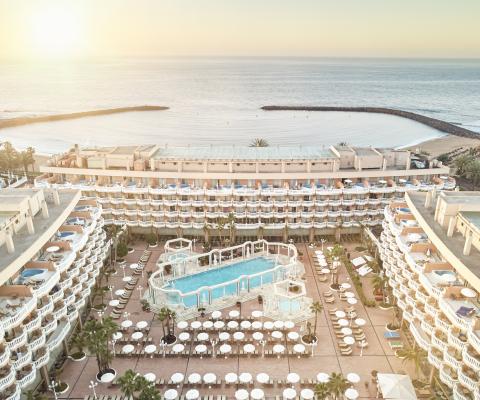
InsideAsia’s Korea by Rail tour starts from £4,480pp (excluding flights) staying in five-star hotels for 13 days and 12 nights. Jo stayed at Four Seasons Hotel Seoul; Seamarq in Gangneung; Heritage Yuwa in Gyeongju (a traditional hanok-style option); and Signiel Busan in Haeundae. Korean Air flies daily from Heathrow to Seoul Incheon, with prices starting from £1,153 return. For more information, visit Korean Tourism Organisation.