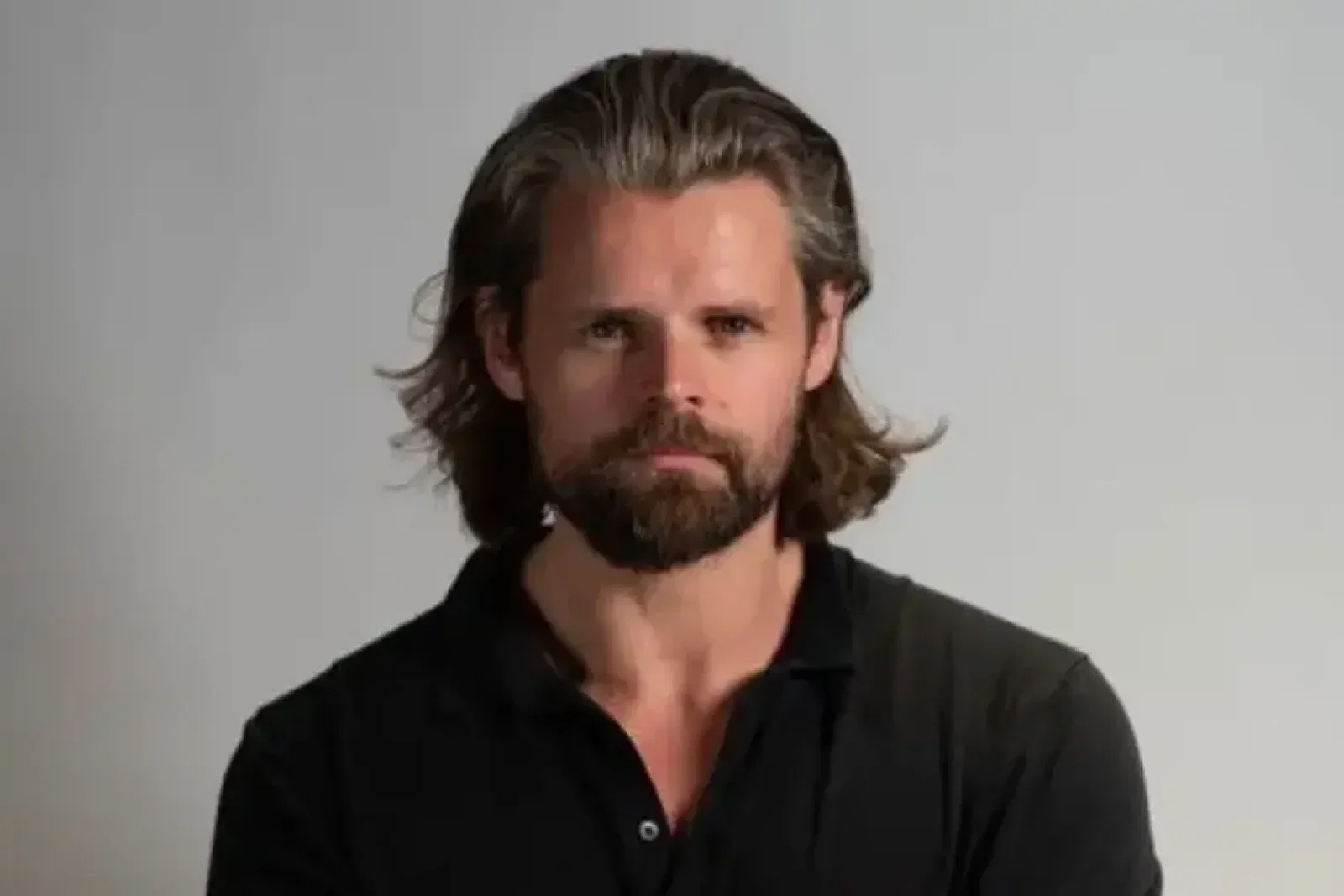
Much has changed in travel over the past 20 years, but for pioneering experiential luxury travel company Black Tomato, its ethos remains the same as during its early days, emphasises co-founder Tom Marchant.
“It’s all about the celebration of curiosity,” says Marchant, who set up Black Tomato with his friend James Merrett back in 2005 – initially working out of Marchant’s flat in London. Experiential luxury travel has undoubtedly become a major trend in recent years, but this certainly wasn’t the case back in the mid-2000s.
“When we started the company, we had a website that didn’t include lists by destination or accommodation; we listed the experiences based on how they make people feel – whether they want to be fulfilled or challenged, for example,” he explains. “We wanted to offer unique experiences but when we looked at the competitive landscape and luxury tour operators, there was nothing speaking the language that mattered to us.”
After meeting at Newcastle University, Marchant and Merrett travelled extensively to destinations such as the Philippines, Brazil, Australia, and New Zealand, and many of their original trips were based around those initial personal experiences.
“There was nothing speaking the language that mattered to us”
It’s been a strategy that’s clearly paid off for Black Tomato, as the company increased its turnover to £53 million in 2024, with both its top and bottom lines “growing significantly,” says Marchant.
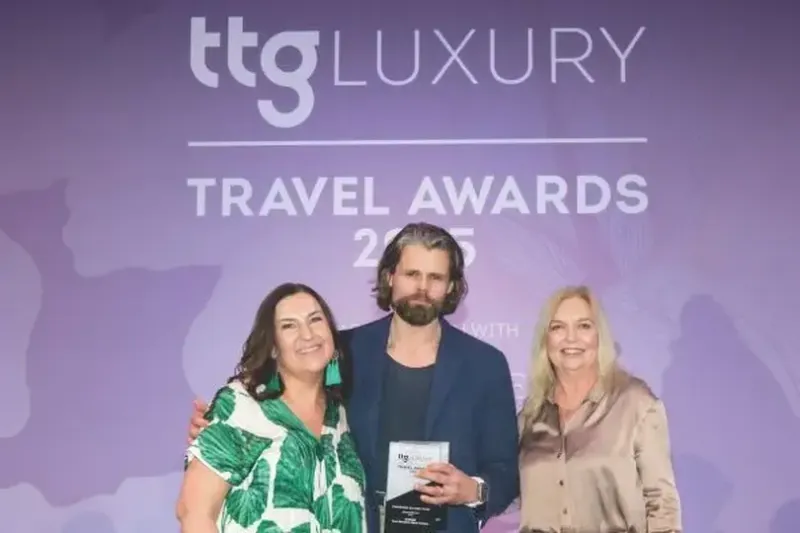
Black Tomato’s pioneering success was further rewarded at this year’s TTG Luxury Travel Awards when Marchant and Merrett received the prestigious Contribution to Luxury Travel recognition.
“We’re honoured to get the award as we love the industry. There are so many inspiring people and the industry is very supportive,” says Marchant. “As we’ve built the business, we’ve always stuck to the three core principles of being curious, thoughtful, and humble.”
Like all travel companies, Black Tomato has had plenty to contend with over the past 20 years – from the global financial crash of the late 2000s to the impact of the infamous ash cloud in 2010 and, of course, the Covid-19 pandemic.
Marchant says they have always looked to “grow organically” as a business, and unlike many travel firms, have never taken external investment. “We’ve never had that treasure chest of cash – we had a handful of savings which kept the business alive in the first six to nine months,” he adds. “It helped us also in 2009 that we were cautious and not risking vast sums of money.”
Similarly, during the pandemic, Black Tomato’s staff shrank back from more than 100 to around 35 people, although it was able to run some domestic trips in the US for American clients during this period.
“We’re back up to around 80 people, but we’re now able to do more with a third less staff,” says Marchant. “During Covid, out of necessity, we were putting everything under the microscope and that’s helped us to work more efficiently.”
This includes making more use of video conferencing platforms to engage with clients, building a bank of unique video content, and moving to hybrid working for staff who are mostly based in the UK and US.
Black Tomato also continues to be a trailblazer in the industry with the recent launch of The Feelings Engine, an in-house AI-based platform focused on “emotion-led” experiences and itineraries, designed to inspire clients to find trips that match their emotions. These might include “challenged,” for which there is a Greenland experience.
“It’s early days but it’s been really well received – people are engaging and using it,” says Marchant. “It’s about inspiring them and then putting them in front of the right human to inspire them further and curate the right trip. We will always be a human-led business – but we see tech as amplifying the talent of our people, not replacing it.”
“We offer something that’s different to what people can do themselves”
Marchant adds they also aim to introduce new programmes every 18 months or so to help “keep things fresh,” such as the recent Get Lost and See You in the Moment initiatives.
Looking to the future, Marchant says there are “massive growth opportunities” for Black Tomato both in the UK and the US where the company has firmly established itself.
“As long as we’re enjoying it, we will keep doing it,” he adds. “The business has been built around something we love.”
Sustainability is also a key component for Black Tomato, particularly with its focus on regenerative travel, and Marchant stresses the importance of “contributing back” to support the communities that clients visit.
“Whether it’s adventures, private houses, or safaris, everything we do has a seam of curiosity running through it,” concludes Marchant. “We offer something that’s different to what people can do themselves.”