There are about 8 million sober adults in the UK today, a number that is only set to continue growing.
The number of non-drinkers jumped from 16% in 2011 to 19% in 2022, with Gen Z leading the pack – young adults are now more likely to avoid alcohol than previous generations. People’s reasons for shunning booze vary; some do it for their health, others for their religion. Some find it too expensive, and others simply don’t like the taste.

Despite the rise of the UK’s sober population however, the travel industry has been a little slow to cater to its needs and hotels, cruises and even planes tend to use alcoholic drinks to ‘enhance’ the guest experience. As a result, many non-drinkers are potentially being alienated, with their preferences often overlooked in favour of the alcohol-consuming client.
Young adults are now more likely to avoid alcohol than older generations
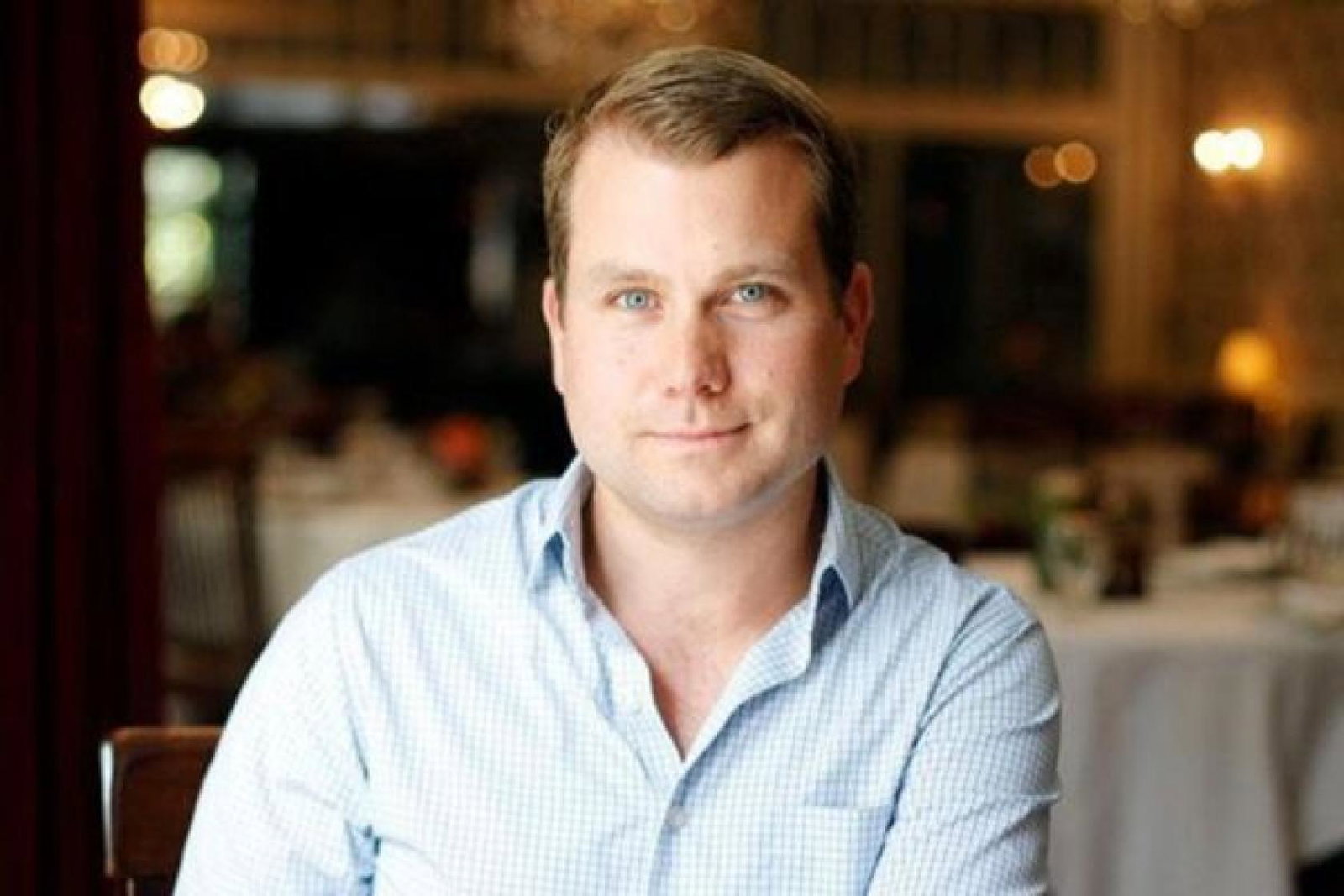
Alexander Brown, a US licensed therapist, is on a mission to change this. Having previously founded Recover Hospitality, a network of hotels and restaurants that support the mental health of both staff and guests, the former hotelier began to notice a demand for a service that specialises in alcohol-free trips.
His answer was CXN Travel, a travel agency that partners with suppliers such as Four Seasons Hotels and Resorts to support its sober clients. The goal is to address the common issues faced by non-drinking travellers, especially those in addiction recovery, and to create a safe trip that doesn’t compromise enjoyment.
The agency also aims to undermine the societal norm that travelling must involve alcohol, by creating incredible itineraries that don’t include a drop of the hard stuff.
“So much of travel in the Western world is tied to alcohol, and a lot has to do with compensation,” Brown tells TTG Luxury.
“Special occasions? It’s a bottle of champagne in the room. Delayed reservations? It’s a complimentary drink.” He adds that VIP status and loyalty programmes will almost always offer alcohol as perks, making it the “default option” for appeasing the customer.
Brown has now shared his expertise to help other advisors plan better holidays for their sober clients, or maybe even themselves.
Mini-bar swaps and chocs over champers
From a complimentary glass of fizz on arrival to fully-stocked mini (or even maxi these days) bars, it’s easy for guests to get a drink from the moment of check-in.
“Some hotels even place larger bottles of alcohol on top of the mini-bar, so it’s the first thing you see in the morning and the last thing you see when you go to bed at night,” says Brown. “It creates stress in your brain whether or not you know about it, and when people experience increased stress they are more likely to make impulsive decisions.”
It’s easy enough for travel advisors to ask the hotel to swap these for non-alcoholic beverages before the guest arrives, and to request that a non-alcoholic drink be offered on arrival.
“Sober guests should be greeted with an equal alternative to alcohol, like a mocktail or a fresh juice,” Brown says. “There are some great non-alcoholic spirits, like Lyre’s, but keep in mind that not even all sober people will drink mock spirits.”
Another thoughtful gesture is a non-alcoholic welcome amenity, like artisanal chocolates or even complimentary spa vouchers.
“These are some of the easiest lifts, and they don’t cost much to do,” Brown says.
Location counts
Advisors can also request rooms with a park or sea view, which are usually calmer and quieter than ones that overlook a busy street.
Another factor to consider when booking a hotel for a sober traveller is other activities on-site that are typically associated with alcohol, such as gambling.
“I have clients who go to Las Vegas all the time, especially for concerts, but the choice of hotel is very important”
“I have clients who go to Las Vegas all the time, especially for concerts, but the choice of hotel is very important,” Brown explains. “I am a big fan of hotels without casinos, because there is often an overlap between ’I’m not going to drink and not going to gamble’.” Similarly, he avoids booking hotels in areas that have a high number of bars, pubs and clubs.
This doesn’t mean clients shouldn’t have fun, however. Brown emphasises that it’s important to arrange other activities in the hotel, such as a spa treatment, and in the destination itself, such as a locally-guided city tour.
Pick river cruises – plenty of stops and entertainment
Alcohol hotspots could be seen as being everywhere on cruise ships, with larger vessels often offering multiple bars, pubs and clubs.
There’s also the issue of inclusive drinks packages, which might encourage guests to drink more than they would if they were purchasing beverages individually. Long sea days onboard, and having the captain as your ‘designated driver’, are other factors which may influence people to drink alcohol on cruises, Brown suggests.
He says however that a number of adjustments can be made to ease this temptation – starting with the type of cruise.
“Opt for a longer cruise with a lot of port stops, and make sure you know there are plenty of activities happening off the ship,” he suggests. “An excellent choice is a European river cruise, such as one along the Danube, which can include as many as 10 stops in one itinerary.”
If clients are keen for a larger ocean cruise with less stops, be sure they’re travelling with a supportive companion. “They should really travel with a person with well established sobriety, or a close family member, friend, or partner,” he says.
Many cruises also include 12-step meetings in their daily itineraries under the name, ‘Friends of Bill W’, in reference to the founder of Alcoholics Anonymous, Bill Wilson.
There are also some companies that specialise in sober cruises as well as ships with a wide range of onboard activities that do not involve drinking, offering anything from watersports to dance classes.
Travel advisors should research the ship’s daily schedule beforehand to ensure it offers ample entertainment that will appeal to a client – whether it’s musicals, comedy gigs or magic shows. This is especially important in the evening, when passengers must stay on the ship overnight until the next port and sober guests may begin to feel restless or bored.
Airports – time it wisely and stay connected
Airports can be a challenging environment for people in sobriety, which is why it’s essential travel advisors have a game plan for clients before departure.
Many airports have bars serving alcohol at all hours, as well as executive lounges that offer complimentary beers, wines and spirits. Duty-free alcohol can also be significantly cheaper than its retail price, which again, may incentivise a person to purchase a drink.
On top of this, there are many stressful aspects of an airport that could make someone more likely to drink, such as tense security procedures, hectic terminals or delayed flights.
It is possible to combat this temptation, however, by preparing ahead of time. Brown suggests flying earlier in the day to avoid peak drinking times, which usually occur in the afternoon or evening.
“Opt for early morning flights – fewer people are drinking in the airport at 7am than in the afternoon or evening.” He also advises travelling off-season, or when more people are likely to be travelling for business than leisure.
The aircraft itself can be another difficult place for sober people. Boredom, anxiety, and a lack of accountability can all influence a person to drink during the flight, Brown says, especially if they’re in early recovery.
Passengers flying in business or first class are also highly likely to be offered alcoholic beverages as part of the general service, which can also make abstinence even harder.
“Opt for early morning flights – fewer people are drinking in the airport at 7am than in the afternoon or evening”
However, with so many advances in technology over the last decade, it has become significantly easier for sober passengers to access support from the air.
“The airplane used to be a really tempting time for people in sobriety. It was a defined period of time where nobody would know what you’re doing,” says Brown. “But nowadays, there’s less reason to be disconnected.”
Advisors could even consider purchasing onboard WiFi in advance to allow clients to contact their loved ones, or to simply use the internet as a tool for distraction, during the flight, especially shorter flights where there is less likely to be in-flight entertainment.
You can also inform them of the ‘Page a Friend of Bill’s’ tool, which asks a gate attendant to alert the AA community in the airport that some needs support. You can further reduce the uncertainty often involved in air travel by booking seats to the client’s preference, and ensuring they can board the plane quickly with priority access. Making the flight as comfortable as possible, with plenty of distractions and minimal triggers, is key, adds Brown.