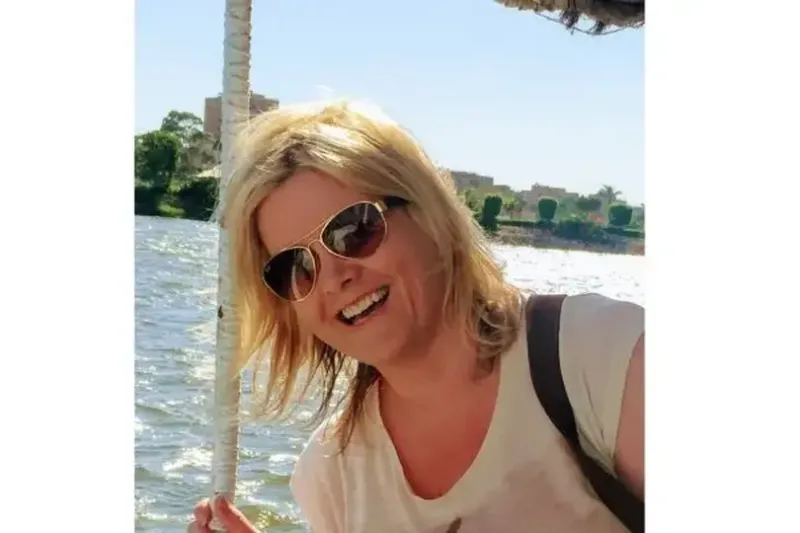
A 360 Private Travel partner has shared her rule for selling luxury cruises after making the 2025 class of “Virtuoso Cruise Icons”.
Claire Parsons is one of 185 advisors from 13 different countries to join the prestigious programme, which recognises agents who generate the top one percent of the network’s cruise sales.
Her admission isn’t surprising; she holds a 95% conversion rate and relies solely on referrals from her loyal clients. She also specialises in ultra-luxury lines, like Silversea and Ponant, which offer expedition cruises with five-star service.
With decades of experience selling cruises, Parsons has developed a strong understanding for the product – and how to choose the right one for her clients.
While destination and ship style undeniably matter, Parsons warns that agents routinely overlook one crucial detail when booking luxury cruises.
“You must always check if the suite is starboard or port, as one side will look to the coastline and one side will look to the sea,” she tells TTG Luxury. “A lot of people don’t think about the view on a cruise at all, but it’s essential. It can make or break the experience.”
Parsons adds that most ultra-luxury ship cabins now have balconies, and if the sailing occurs during warmer months, the views will become all the more important.
“Agents always ask about the views for hotel rooms, but with cruise, they tend to overlook it. If your client wants to see the Amalfi Coast, then they need to be on that side of the ship.”
This is especially applicable to first-time cruisers, who may forget to request their view preference. Parsons also says that clients who haven’t cruised before should be placed ‘mid-ship’, as this location usually has the least amount of movement.
“The worst thing you can do to first-timers, who don’t know if they’re prone to seasickness yet, is to book their cabin to be at the front or the back of the ship.”
Equally, clients should be asked about their sensitivity to noise. Ultra-luxury ships tend to be well insulated, but that doesn’t mean they’re completely soundproof.
“Be sure to ask clients about their triggers,” says Parsons. “If they’re a light sleeper, they may not want to be by an elevator or an area where people congregate, like a restaurant.”
Extra caution should be taken on summer cruises with many sea days, where clients often stay up later because they don’t have to be up early for an excursion.
Ideally, agents should try to secure a ship visit or fam trip prior to selling the cruise. However, if this isn’t possible, Parsons advises doing plenty of research by using the line’s educational tools.
“Even if you already sell that cruise line, you can still get a lot out of the webinars,” she says. “New cruise sellers can ask really interesting questions you might not have thought of.”
She also encourages agents who have only booked land-based holidays to consider selling cruise too, adding that the industry tends to be very supportive of the trade.
“Cruise lines are very good for repeat business,” she explains. “If your client books another trip onboard, the agent who booked that first cruise will get the commission from the second booking automatically. There’s no direct poaching, which is another great perk.”