January
The year began with sad news for the 230 staff employed by All Leisure Group after the company collapsed at the end of 2016. Luckily G Adventures stepped in and acquired its tour operations Travelsphere and Just You, as well as their staff.
Elsewhere agents were buoyed by a very strong December and Abta ramped up its campaign against bogus sickness claims following complaints from Spanish hoteliers, while Norwegian announced £56 one-way flights to the US.
Tui ended its retail partnership with Jet2holidays in a hint of how powerful the Leeds-based operator was becoming.
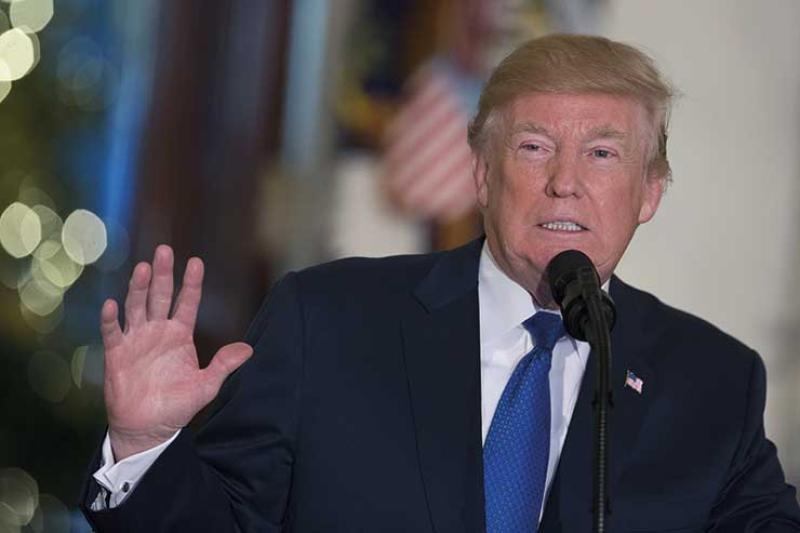
The industry expressed concern about Donald Trump’s ban on travellers from seven (mainly Muslim) countries entering the US, with one agent telling TTG he had lost a £20,000 booking as a result of the president’s actions.
February
The big deal of the month was the sale of Travelopia by Tui to private equity firm KKR for £325 million.
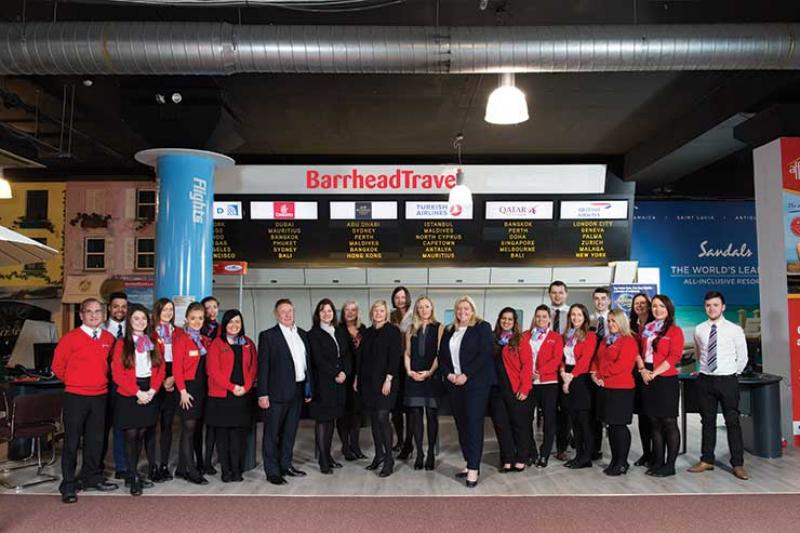
Thomas Cook followed Tui in ending its distribution deal with Jet2holidays and confirmed the closure of 39 shops. Meanwhile Barrhead Travel announced plans to recruit 100 staff.
At the Royal Courts of Justice, the inquest into the 2015 Tunisia massacre ended with the coroner rejecting calls that neglect by Tui or Riu Hotels had contributed to the deaths of the 38 holidaymakers.
March
The UK saw its first terror attack of 2017 when Khalid Masood drove a car into pedestrians on Westminster Bridge, leaving 6 dead and 50 injured.
The month also saw the collapse of Diamond Shortbreak Holidays, with Arena Travel acquiring its rail holidays and river cruise brands.
Sandals Resorts launched an in-house tour operation, while the UK instigated a ban on larger mobile devices in cabins on flights from six countries. New York announced a £3 million campaign amid fears of a Trump slump and British Airways parent IAG launched budget long-haul brand Level.
The first Jet2.com flights took off from Stansted and Birmingham. Article 50 was triggered, putting the UK firmly on course for Brexit – but with no clear guidance on how travel, or any other sector, would be affected.
April
Jet2holidays came within a whisker of ousting Thomas Cook as the UK’s second-biggest licensed operator. (More on that later).
Thomas Cook shed 51 homeworker jobs and Flybe issued a profits warning but Tui saw its winter UK revenue increase by 20%.
Uniworld announced a new youth brand, U by Uniworld, aiming to bring river cruising to the 21-45s and Silversea launched the 596-passenger Silver Muse, its biggest ship to date. Meanwhile, the Supreme Court reinstated a fine on father Jon Platt for taking his daughter to Florida during term-time.
But the month’s biggest revelation was the announcement of a June general election, heralded as a bookings disaster for the trade.
May
The UK was rocked by another terror attack when the Manchester Arena bombing claimed the lives of 22 people, including Westoe Travel apprentice Chloe Rutherford, 17 and boyfriend Liam Curry, 19 (pictured), prompting a moving response from the travel industry.
Elsewhere United Airlines said it would give passengers up to $10,000 compensation for overbooked flights after being filmed dragging a man from his seat. Qantas put its non-stop London-Perth flights on sale and Alitalia entered administration.
Thomas Cook revealed a further 17 shop closures and liquidators revealed All Leisure Group had collapsed with an estimated £6.77 million deficit.
Jet2holidays enlisted the help of private detectives to fight sickness fraud, while BA was in hot water over the bank holiday after suffering an IT “glitch”, disrupting more than 1,000 flights.
June
BA was left counting the €65 million cost of its systems meltdown while angering the trade with the announcement of an £8 GDS booking fee from November 1.
It was all go in the long-haul travel sector, as five Gold Medal and Travel 2 bosses, including chief executive Andy Freeth, quit to join If Only. ITC Luxury Travel rebranded as the Inspiring Travel Company and Ritz-Carlton revealed plans for three new ships under the Yacht Collection brand.
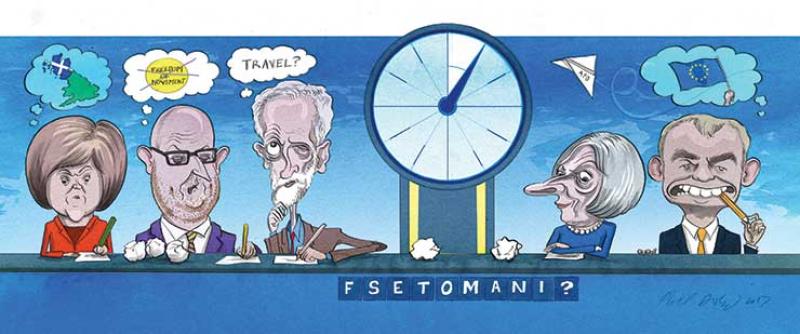
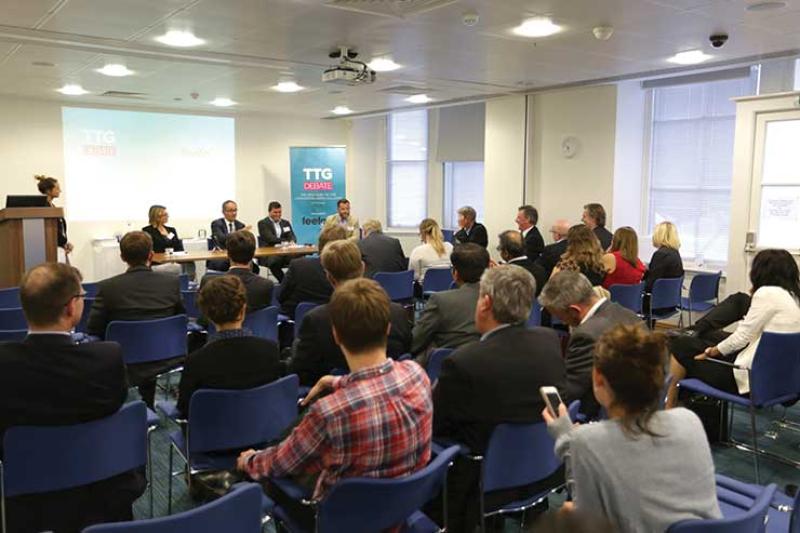
Participants in a TTG Debate covering the general election all wrongly predicted Theresa May would increase her majority.
The country was shaken by yet another terror attack, this time at London Bridge, leaving 8 dead and 48 injured.
And the UK was rocked by further tragedy when 71 were killed and hundreds left homeless by the Grenfell Tower fire in London. Travel firms were quick to respond, with a number coming forward to offer help and donations.
July
Warnings emerged that over-capacity in short-haul flight sales coupled with pricey hotels in the western Mediterranean could spark a major company collapse.
It came as CAA accounts showed the authority had spent £25.6 million in preparing for the averted collapse of Monarch Airlines in 2016.
Tui announced the withdrawal of 1,800 sickness claims against it from the same law firm and Abta highlighted concerns over the abolition of card processing fees from January 2018.
EasyJet prepared for Brexit by obtaining an Austrian air operating licence.
TTG Media held the UK’s first Travel Pride in London and Denmark’s Primera Air surprised the industry with plans to launch budget US flights from the UK.
August
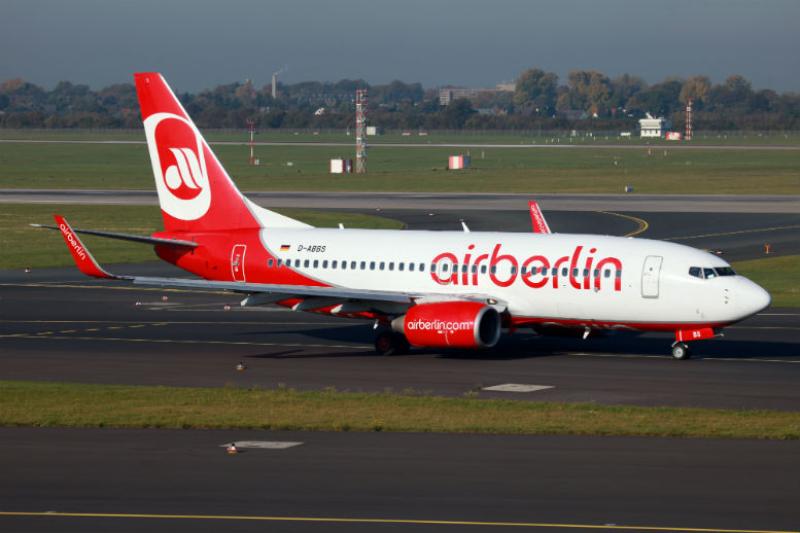
Lowcosttravelgroup’s administrators were given another year to investigate its collapse and Air Berlin filed for insolvency but was allowed to keep flying while it restructured.
Barcelona became the latest victim of terrorism when a van was driven into pedestrians, killing 13 and injuring at least 130 others.
JacTravel was sold to Australia’s Webjet for £200 million and Thomas Cook ended its five-year joint venture with The Co-operative Group.
August also saw the passing away of Thomas Cook agent Aundrea Bannatyne, who had received a £200,000 industry effort to fund her cancer treatment.
September
Parts of the Caribbean were ravaged by hurricanes Irma and Maria and the trade was urged to get behind the region to help fund recovery efforts.
Tui began dropping the Thomson brand after 52 years.
Ryanair angered 285,000 passengers by cancelling up to 50 flights a day as it struggled to deal with an error in its pilot rotas.
Emirates mulled the idea of “three or four” economy classes to fight budget rivals, while at Gatwick, easyJet began offering connections to long-haul flights from Norwegian and WestJet.
October
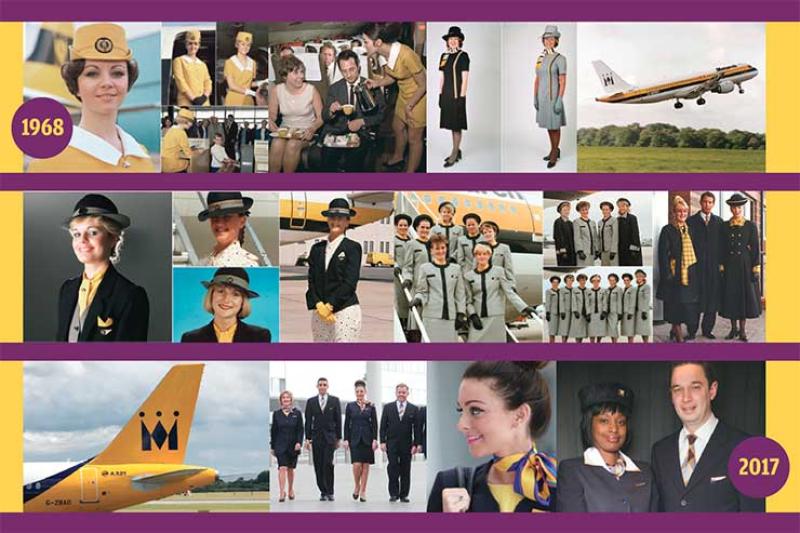
July’s fears materialised with the collapse of Monarch Airlines, prompting a swift, if confusing, response from the government which agreed to repatriate all 110,000 stranded customers. The move sparked debate about the Atol system and whether failing airlines should be allowed a grace period to wind down.
Jet2holidays finally knocked Thomas Cook off second place in the list of largest Atol-holders with 2.9 million seats, around 500,000 more than its rival. Cook was also in the news for reversing its earlier system of agent cluster managers and reappointing store managers.
Also in October, Ryanair lost a public battle with the CAA over compensation for thousands of flight cancellations, and a shooting in Las Vegas claimed 59 lives.
One happier note saw ttgluxury magazine mark its 10th anniversary and the launch of the first ttgluxury Travel Awards.
November
The holiday sickness saga continued, with Hays Travel complaining that its public liability insurance fees had quadrupled because of fake claims.
Monarch’s administrators KPMG won a court battle allowing the sale of its Gatwick and Luton slots, netting around £60 million for creditors. British Airways parent IAG swooped on Gatwick, with most being allocated to BA.
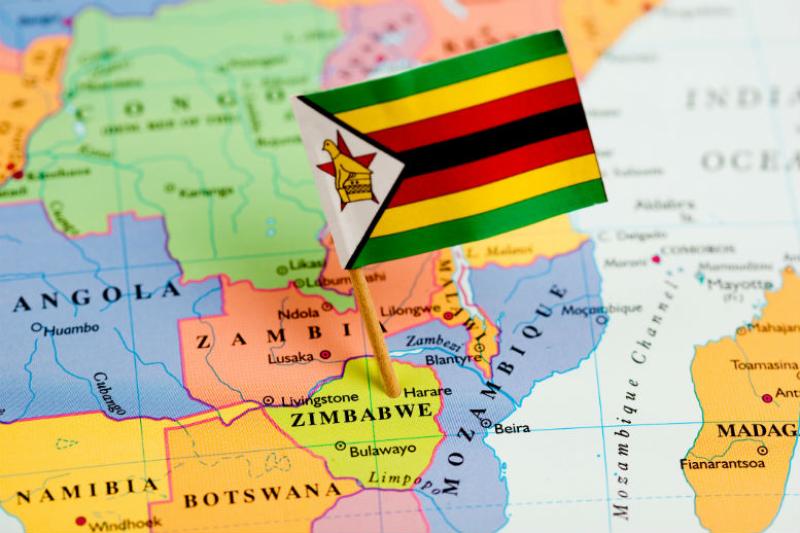
Tunisia revealed it was seeking an open skies deal with the EU to boost flights after the 2015 terrorist shootings, while in Zimbabwe, the fall of Robert Mugabe led to hopes about the country’s tourism potential.
Travel agents worried about the ban on payment card fees from January were heartened by a swathe of operators agreeing to a 0.5% commission increase.
December
Thomas Cook revealed another 50 store closures affecting 400 staff.
Wizz Air purchased Monarch’s slots at Luton, confirming it as a major UK base. Luton, Heathrow and other airports were overwhelmed by the winter’s first snowfall.
The fallout from the Monarch collapse continued, with Saga Group revealing 100 redundancies and On the Beach taking a £7 million hit.
However, Global Travel Group ended 2017 on a high, revealing 20% turnover growth in 2017.
As 2018 loomed, it looked unlikely that guidance on implementing changes to the Package Travel Regulations would be ready by the January 2018 deadline.