




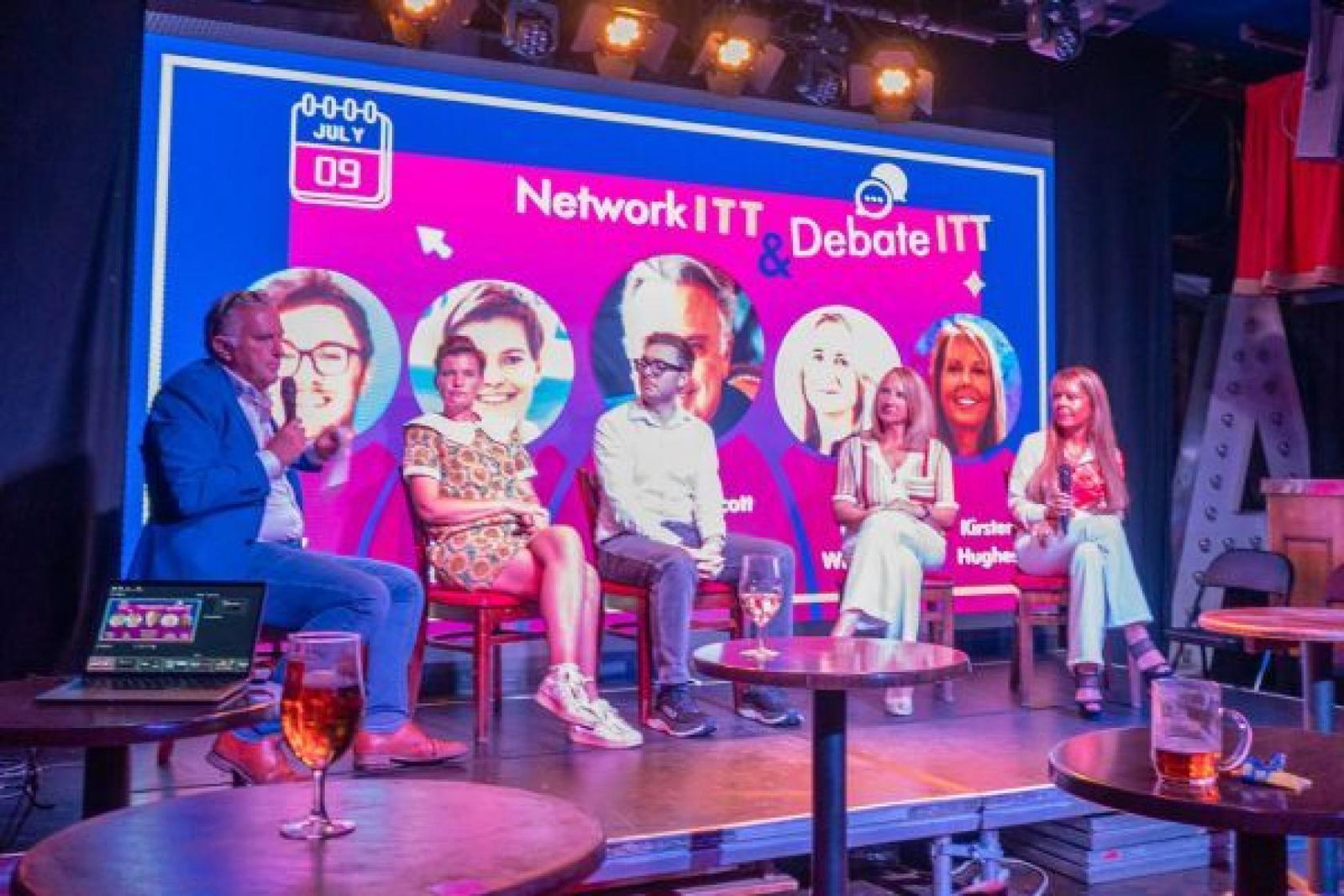
That was the conclusion of the latest Debate ITT event hosted by the Institute of Travel & Tourism, in London this week.
The debate, led by travel industry veteran – and fresh-faced AI evangelist – Steve Endacott, argued that travel transactions would always retain some form of human touch as they are one of the few big ticket expenditures consumers make each year based on a promise to deliver quality, rather than instant delivery of a product.
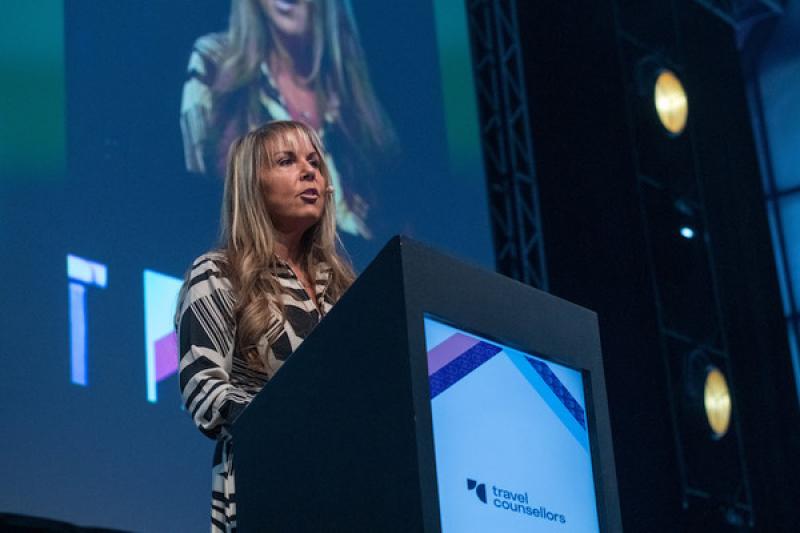
Representing the "humanist" side of the debate at the Phoenix Arts Club, Travel Counsellors managing director Kirsten Hughes said travel agents sold complex products, with leads often generated by "word of mouth" recommendations from other customers and transactions based on building empathy with the customer.
Lindsey Winterburn, chief operating officer of Travel Solutions Network (TSN) – which manages a call centre for easyJet holidays using TSN-employed homeworkers – agreed, adding that customers with particular needs, such as adjoining rooms, often prefer the reassurance of speaking to a live person.
She claimed that easyJet holidays had reported increased conversion rates and a 30% higher booking value over the phone, as human agents can upsell additional services more effectively.
Representing the other side of the debate, technology advocate Zoe Harris, chief marketing officer at On The Beach, claimed millions of On the Beach customers were happy to book holidays online – although she added that 20% of bookings still require human interaction with the business.
On the Beach has a customer service and sales team of 120 staff, although it chooses not to promote the phone number on their website homepage.
Jeremy Smith, founder of Neural Voice, explained how the company’s tools could be used to create complex itineraries through simple conversation – although Hughes stressed the need for caution due to tour operator liability, and noted that Travel Counsellors have been running an app-based service for several years already.
Concluding the debate, moderator Endacott predicted some of us would have a "digital twin" on our phones within the next three years, one that knows all our buying preferences and sources three recommendations for us to choose from.