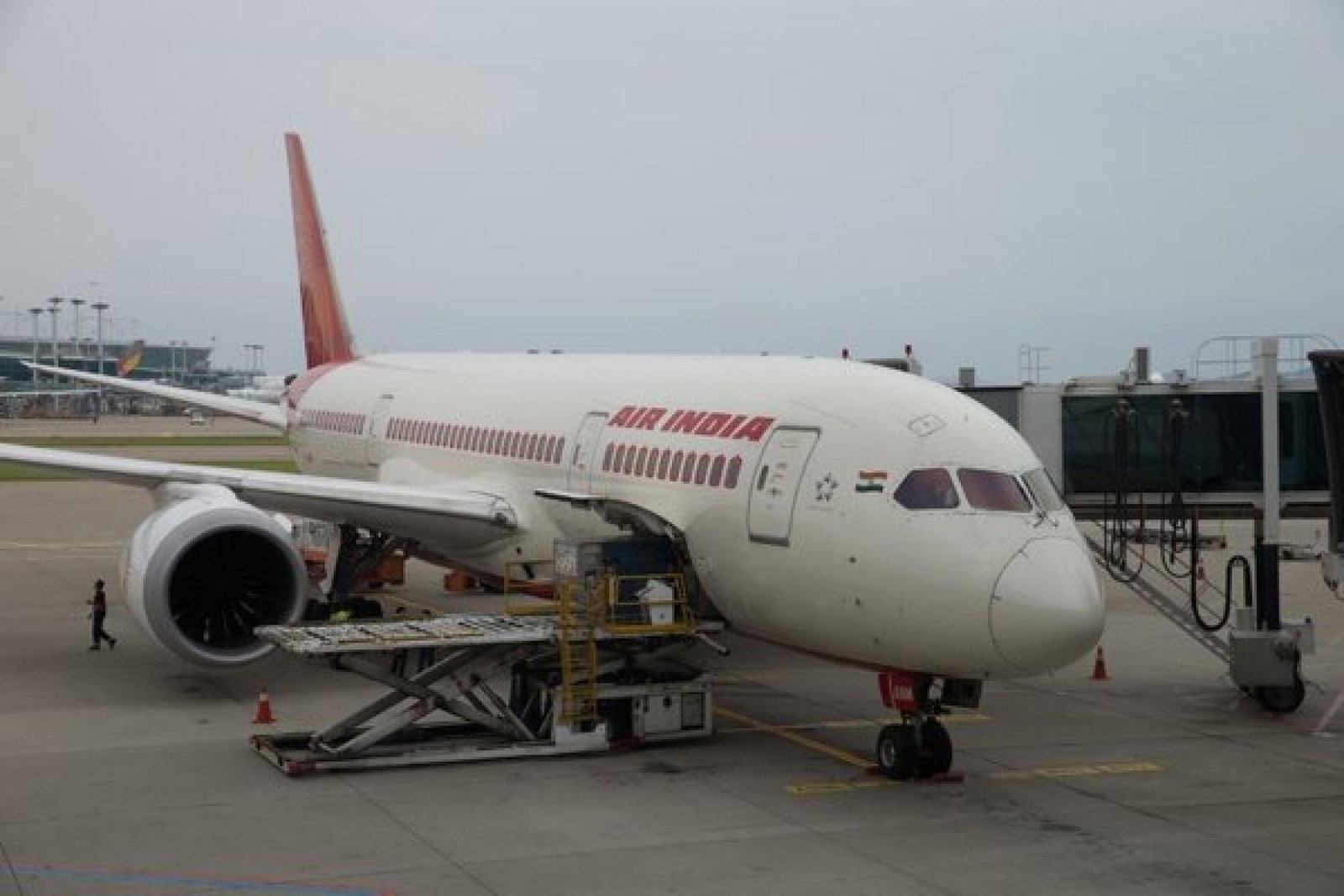
The carrier is reducing international services operated by its wide-body aircraft by around 15% to carry out "enhanced pre-flight safety checks" and to mitigate airspace closures in the Middle East owing to the Israel-Iran conflict.
"The objective is to restore schedule stability and minimise last-minute inconvenience to passengers," said Air India, which has now cancelled more than 80 flights in the past week.

The decision will affect services operated by its Boeing 777 and 787 aircraft, the latter being the model that operated Gatwick-bound Air India flight 171, which crashed shortly after taking off from Ahmedabad last week (12 June).
All but one of the 242 passengers and crew onboard were killed, along with dozens more on the ground when the aircraft came down in a densely populated area of the city. The sole survivor was a British national, who was among 53 onboard.
Air India has carried out checks on 26 of its 33 Boeing 787-8 and 787-9 aircraft, all 26 of which have been cleared for service. The remaining seven will be checked in the coming days, with additional checks planned for its Boeing 777 fleet.
The airline’s chair Natarajan Chandrasekaran said the aircraft operating flight AI171 had a clean service history with regards to its engines.
Air India’s proposed changes to its schedule will take effect on Saturday (21 June) and will see its three-times-weekly routes from Amritsar and Goa (Mopa) to Gatwick grounded "until at least 15 July".
It will also reduce frequency on its Delhi-Heathrow route from 24 weekly flights to 22 and Bengaluru-Heathrow from seven weekly to six. Air India’s Birmingham routes are also affected, with services from Amritsar and Delhi going down from three a week to two.
Select services to North America, mainland Europe, Africa, Australia and the Far East are also affected.