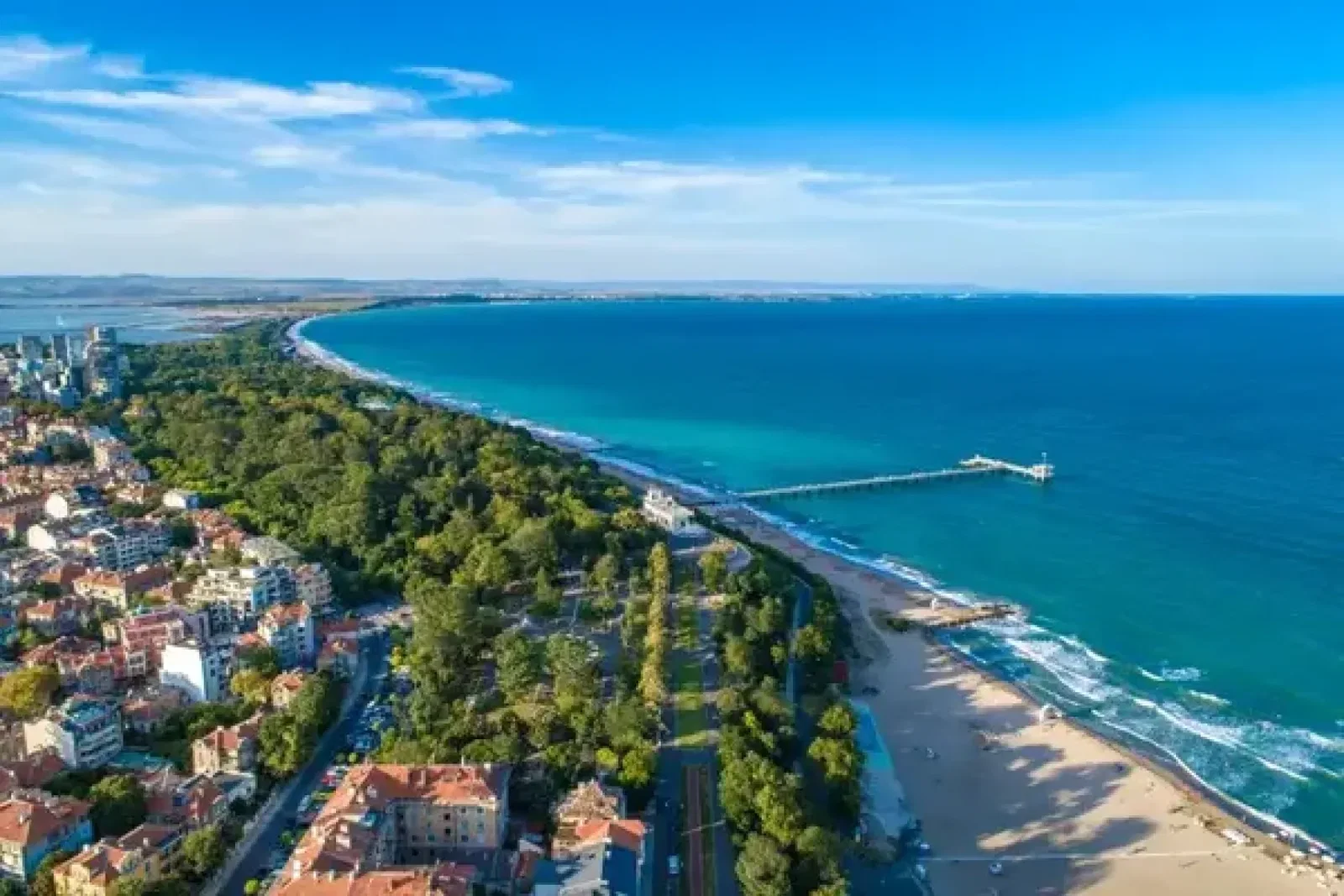
Robert Dee, co-founder of New Deal Europe, which runs an annual marketplace in London focusing on southeastern Europe, described Balkan Holidays’ decision to close its UK operation last month as “a great blow to tourism to the region, particularly to Bulgaria”.
However, he added: "While it is always sad to see a travel company close down, with the resultant staff redundancies and the effect on passengers and the trade, the closure of Balkan Holidays was, unfortunately, predictably inevitable.
"They relied on an old-fashioned business model, heavily dependent on high-risk charter business, which was invested in one destination – Bulgaria. When the numbers don’t come through on these, and your cash flow predictions are seriously impacted, you are immediately in trouble.”
Dee said the brand had been late to see the potential of other destinations in the Balkans, and other motivations for travel besides beach holidays, leaving the way open for others to exploit growth in the region. "This is particularly sad given their name, which would imply that they can offer the best in the region,” he said.
Loyalty to suppliers had, he said, hindered the operator in the long run. “This is great, but it does mean you are not open to exploring other options, limiting your ability to capture what other programmes are in the market, which may be more suited to today’s consumer trends.
"It also makes it difficult for you to know whether or not you have negotiated the best deals out there.”
Tine Murn, another New Deal Europe co-founder, added a reliance on charter flying was a big factor in the brand’s demise.
“They relied heavily on this sector of the market using chartered flight operations and I believe they ultimately squeezed themselves in this highly competitive area, where failing to sell every charter seat can quickly undermine profitability.”
Murn said the market had changed, and so was "the public perception of southeastern Europe and the Balkans in particular", with special interest holidays replacing classic packages and increased demand for upscale options.
"We’ve witnessed the emergence of a more sophisticated tourist who could be interested in sub-regions, regional produce, specific locations – or a combination – within these countries. Simply relying on models and practices from previous decades is no longer enough,” he said.
Dee, though, added Balkan Holidays’ management deserved praise for taking proactive steps to pre-emptively close the UK operation now and put in place processes to protect customers, suppliers and agents.
Several major operators, including Jet2holidays and easyJet holidays, made plays for Balkan Holidays customers following the decision to pull out of the UK, promoting their programmes to destinations in the region and offering discounts and booking incentives.
Balkan’s UK managing director Alexander Stoyanov said: "It has become increasingly difficult to be competitive and profitable in the UK. Nobody will be left out of pocket and all suppliers will be paid, and I thank them sincerely for their support over the years.
“I am really sorry to disappoint our loyal customers and the fantastic travel agents, who have booked holidays with us for this summer and beyond and have given us so much business; all customers will be refunded in full.”
Stoyanov added redundancies would be "unavoidable". Balkan Holidays was licensed to carry 27,817 Atol-protected passengers in the year to the end of March 2026. At its height, it carried nearly 130,000 passengers a year.