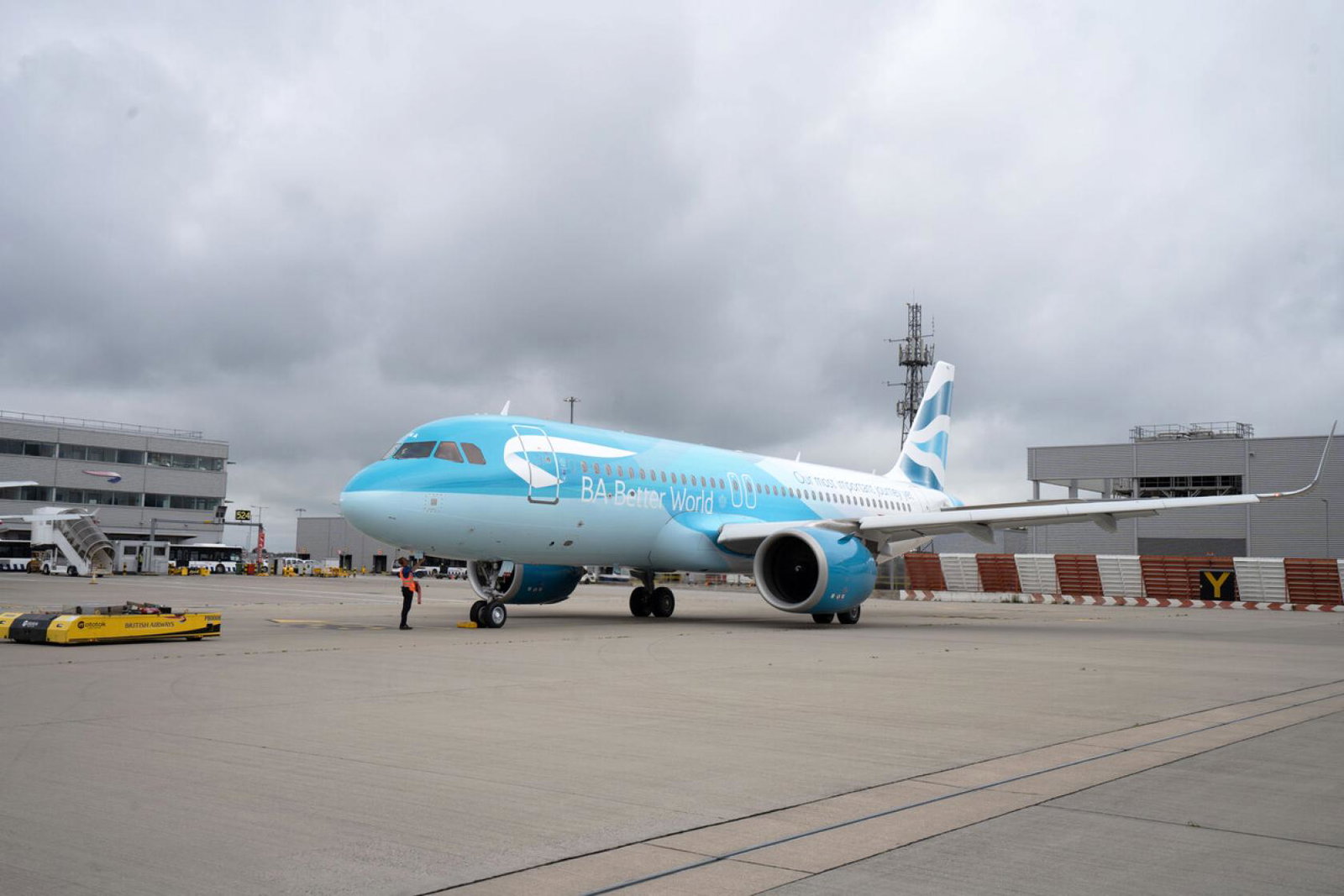
Carbon removal differs from carbon offsets in that removal is a physical process, such as drawing CO2 out of the atmosphere. A future example could be the storage of captured CO2 in former oil wells under the North Sea.
BA will offer the option alongside traditional carbon offsets and sustainable aviation fuel.
It said: “While the carbon removal industry is still comparatively small in scale, scientists, governments and regulators including the United Nations recognise carbon removal projects as a vital tool to help address climate change.
“Traditional carbon offsets are created when a project avoids, reduces or removes additional CO2 emissions from the atmosphere. Carbon removals specifically describe projects that remove CO2 from the atmosphere or from the carbon cycle.
“Both carbon offsets and carbon removals are important for meeting global climate goals, but the expectation among United Nations climate scientists is that over time, there will be a gradual transition towards supporting more carbon removals as the technological solutions, verification standards and policy support mechanisms mature.”
One initiative being supported is in the US, where carbon is locked into ‘biochar’ - food and wood waste that has been used as fuel.
BA’s sustainability director Carrie Harris said: “In 2019, when we committed to achieving net zero carbon emissions by 2050, we identified that a vital way to meet this goal would be by using carbon removals and we currently expect that these could contribute up to a third of our total action.
“By choosing carbon removals projects as part of their action to address the emissions associated with flying, our customers are not only joining us on our journey to a more sustainable future, but also helping accelerate the development of the vital carbon removal industry.”