





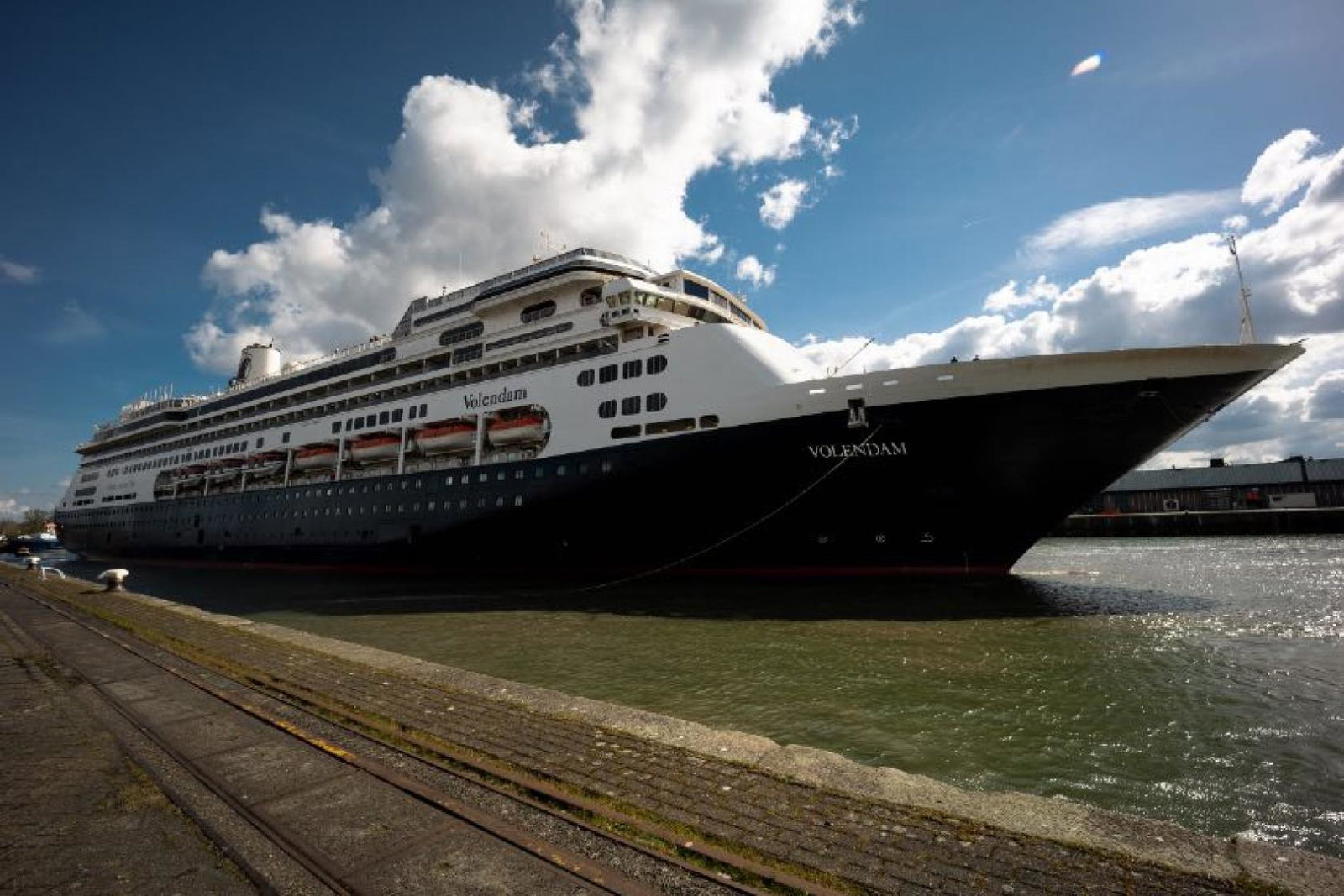
The 20-day test, using Holland America’s Volendam vessel, was run at Rotterdam port earlier this month.
The biofuel used in the trial was derived from feedstocks and certified as 100% waste or residue, meaning no land-use issues or competition with food production or deforestation.
In the first five days of the test, Volendam used a mix of 30% biofuel and 70% marine gas oil in one of its main auxiliary engines.
For the final 15 days of testing, the ship used 100% biofuel.
According to sustainable biofuels producer GoodFuels, there was a 78% decrease in lifecycle Co2 emissions during the final 15 days of trial compared to marine gas oil emissions.
There is “no significant difference” for the ship’s crew in handling regular fuel oil versus biofuel and the use of a "drop-in" biofuel such as the one tested on Volendam requires no shipboard refitting or special equipment, Holland America said.
"We were excited to have this opportunity to test a next-generation fuel resource on a Holland America Line ship, and we are very encouraged by the results," said the line’s president Gus Antorcha.
"As part of our commitment to sustainability, we have always looked for cutting-edge solutions to environmental challenges that will help us meet Carnival Corporation’s sustainability goals over the coming decades."
Carnival Corporation aims to achieve net-carbon neutral operations by 2050.