Alexander told aviation industry heads the current Labour government "believes in increasing airport capacity", reaffirming the commitments made by chancellor Rachel Reeves a month ago with regards to expansion at Heathrow airport.
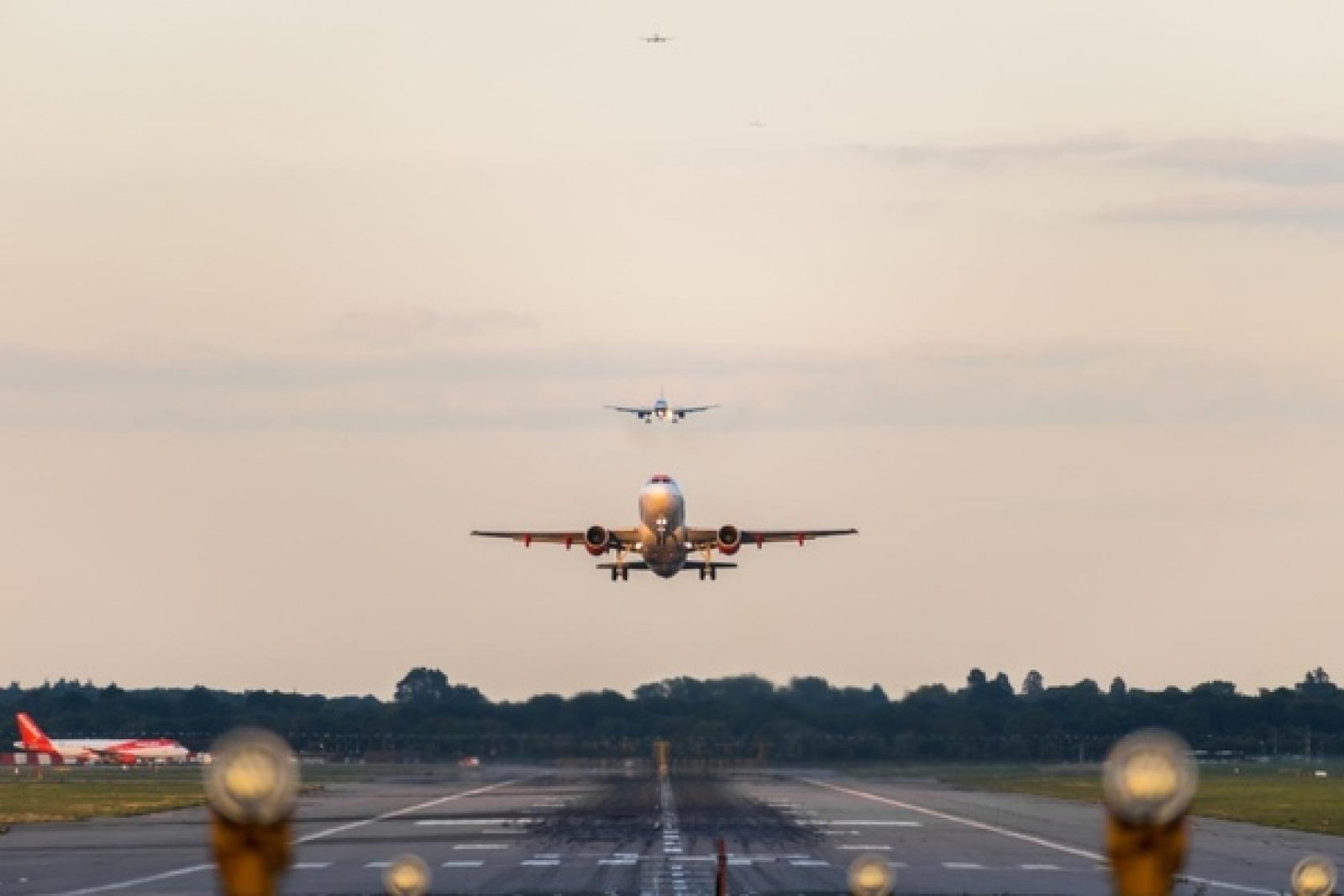
Gatwick is the world’s busiest single runway airport; its plan would involve widening its emergency strip to further separate it from its primary runway, which runs parallel, and for it to be used mainly for short-haul departures owing to its shorter length.

Gatwick currently handles around 43 million annual passengers and, like Heathrow, operates at very near its full capacity. However, Gatwick’s lack of a second runway means aircraft often have to queue on the ground to depart or "stack" in the air waiting to land.
Expansion would increase capacity at Gatwick to around 75 million annual passengers, about 10% less than Heathrow, effectively enabling around another 100,000 flights a year to and from the airport.
Addressing aviation trade body Airlines UK’s annual dinner on Tuesday (25 February), Alexander – the BBC reports – told guests the government’s aim was to do "all we can to support the sector and take the brakes off growth".
A decision is due on Thursday (27 February). Unlike the chancellor’s support for Heathrow, which marks the start of what is likely to be a very lengthy planning and development consent process, Gatwick’s plans are already several years in the making and have been scrutinised by the government’s planning inspectorate.
It is costed at £2.2 billion and will be privately financed, although this investment is understood to be subject to any restrictions placed on Gatwick, such as on environmental or noise grounds.
Alexander warned "strict criteria" would need to be met to balance economic growth through airport expansion against current environmental realities.
What is a carbon budget? And what will the new one mean for travel?
A decision on Gatwick will come just a day after the UK’s Climate Change Committee advises on the country’s next carbon budget, covering the period from 2038 to 2042. It will be UK’s seventh, and the first to include emissions from aviation and shipping.
Last month, ahead of the chancellor backing expansion at Heathrow, energy and net zero secretary Ed Miliband told parliament any aviation expansion would "100% have to be justified within carbon budgets".