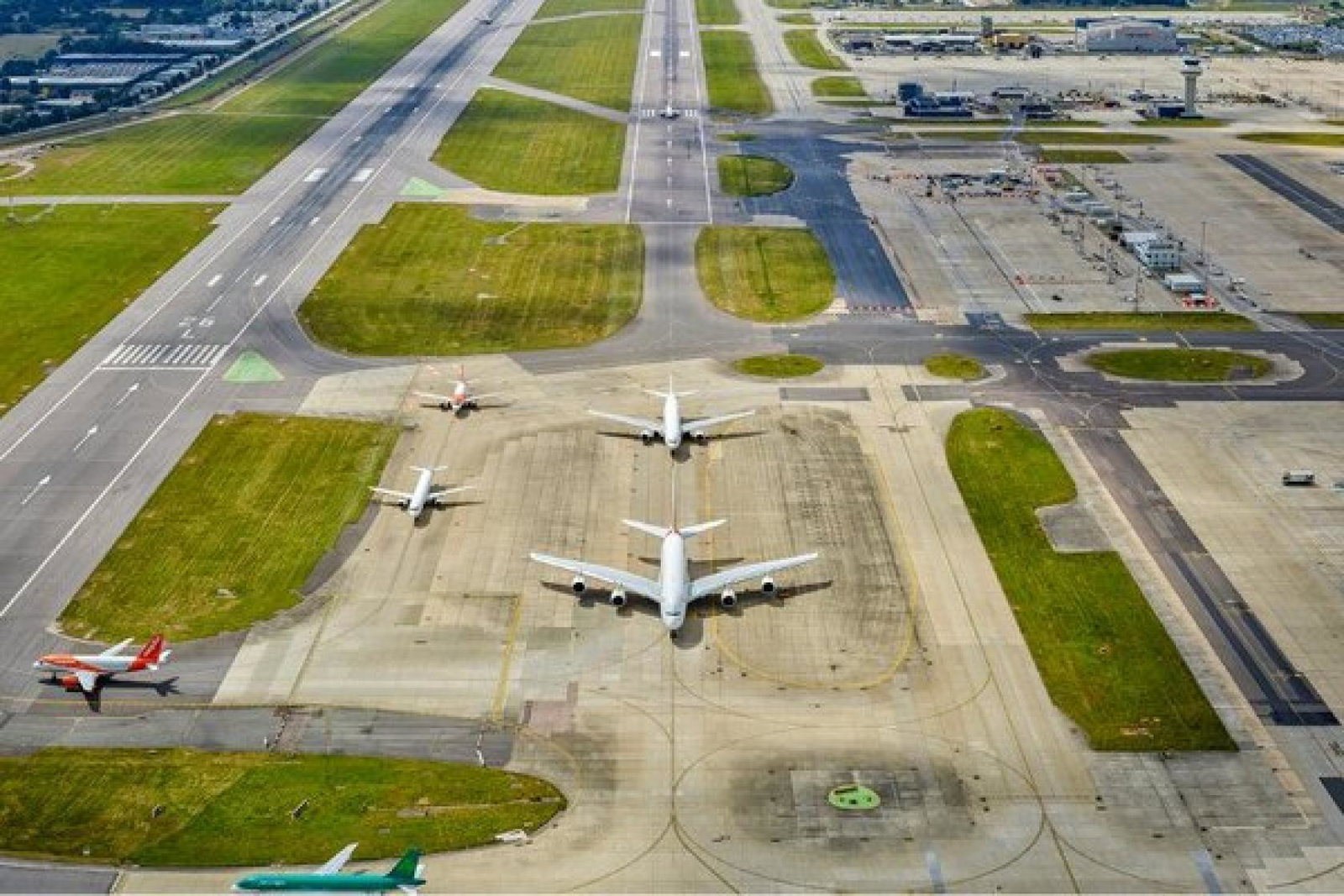
Gatwick wants to bring its emergency runway into regular use, and the odds are on transport secretary Heidi Alexander giving it the nod, albeit with some concessions to local residents and environmental campaigners.
The government has just signalled support for expanding Heathrow and may, in its eyes, feel doing the same at Gatwick will be less disruptive and a quicker fix.

Update: Transport sec signals support for Gatwick second runway plan
Gatwick has been at pains to convince the government the airport will enlarge only within its current boundary and that the tarmac for expansion is mostly already laid.
However, there are surface transport and environmental issues that also have to be taken into account. All is expected to be revealed by Thursday. So what are the key talking points?
What’s at stake?
The government will give a yes or no to the airport’s plan to bring its standby runway into permanent use for departing flights.
Why does Gatwick want to do this?
Gatwick is the world’s busiest single runway airport. At peak times, there are lines of aircraft on the ground waiting to depart and "stacks" in the skies waiting to land.
It believes a second runway will solve this. However, more important to Gatwick’s owners is that a second runway will allow far more passengers to use the airport.
What is the second runway plan?
More concrete would be laid to make the runway wider, effectively extending it 12 metres to the north to allow for increased separation from Gatwick’s primary runway.
It could then be used for short-haul flights taking off, while the main runway would cater for landing aircraft and long-haul departures.
What would this mean in terms of numbers?
Gatwick currently handles around 43 million passengers a year. With two runways, the estimated maximum capacity is 75 million, close to Heathrow’s current 83.9 million.
When would it open?
Gatwick says the second runway “could be operational by the turn of the decade”, while work to extend its existing North and South terminals could be completed by the mid-2030s.
What’s the cost and who will pay?
The estimate is around £2.2 billion, which would be met by Gatwick’s owners Vinci and Global Infrastructure Partners.
However, investment is thought to be dependent on the government not putting any restrictions on expanding the number of passengers.
Does the industry support it?
Yes. Airlines are behind it because if full permission is given, they – and therefore, passengers – won’t foot the bill. This sets it apart from Heathrow’s expansion plans, where a lot of the cost will be passed on.
The CAA says: "Capacity improvements at Gatwick are important to passengers and there are benefits to consumers in expanding capacity.
"This includes meeting the demands of passengers in the choice of destinations available, providing the opportunity for greater competition between airlines, and improving the resilience of airport infrastructure.”
Why hasn’t this happened before?
Gatwick’s former owner, the British Airports Authority (BAA), signed an agreement with the local council in 1979 to refrain from having a second runway for 40 years.
The airport also lost out to Heathrow when the last government looked at expanding airport capacity in the South East in 2015.
What are the objections?
A massive increase in flights will mean more noise and air pollution for local residents, with groups preparing legal challenges if necessary.
The transport secretary must also decide how such a big increase in passengers will affect the road and rail network serving the airport. If she places restrictions on numbers using the airport, that could prompt the abandonment of the project.
Gatwick Area Conservation Campaign (GACC) takes a wider view. It is calling for a halt on all airport expansion plans, citing the “shocking realities of climate change”, saying: “Expanding airports will result in an increase in emissions, worsening global heating even further.”