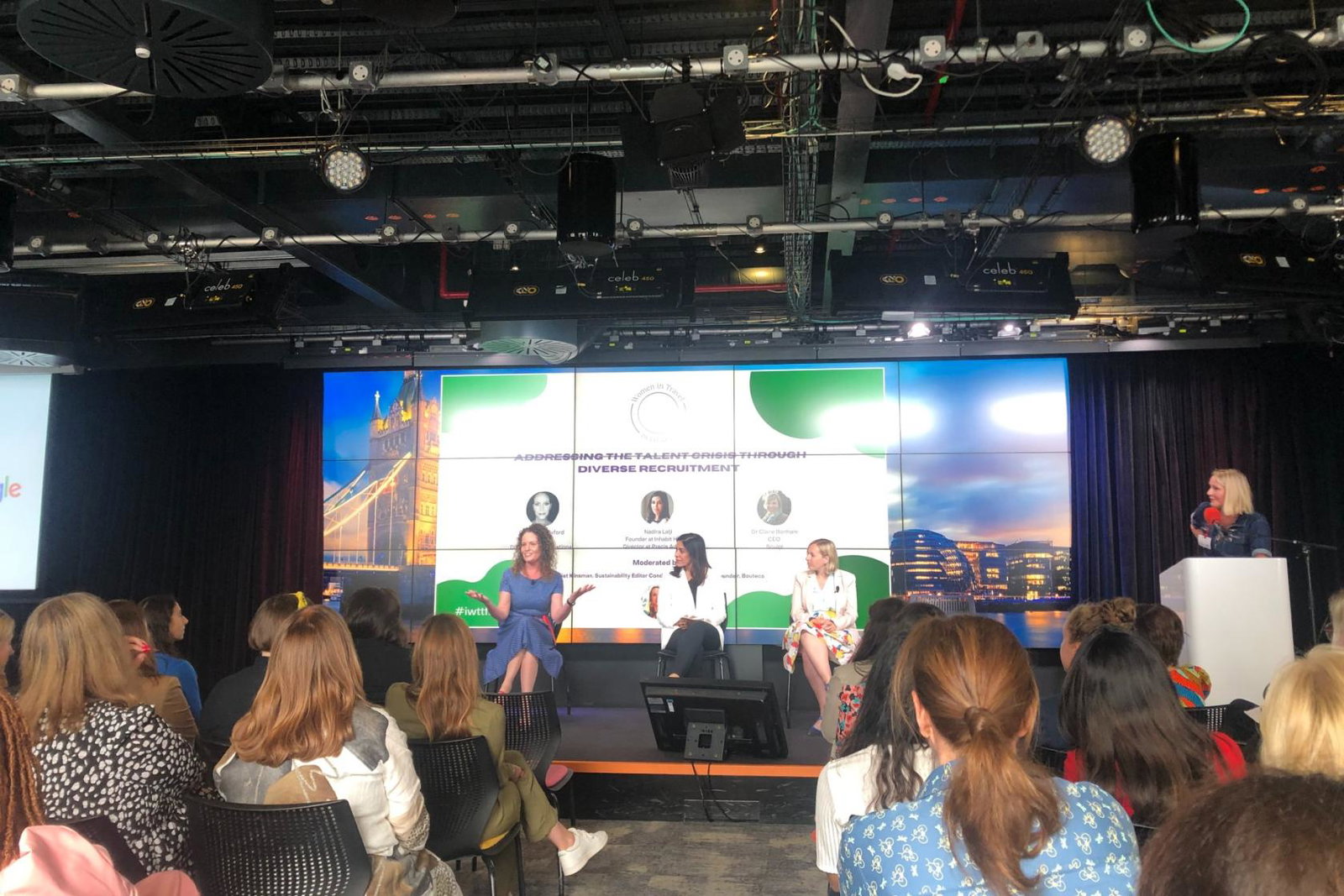
Dr Claire Bonham, chief executive of Sculpt, which helps marginalised young people into work, pointed out that from more than 200 people her organisation has found work experience for over the last two-and-a-half years, hardly any have mentioned wanting to work in the travel sector
“The visibility of it just isn’t there,” she said. Bonham explained highlighting sustainability was among things that would attract young people. “Young people want to be inspired, they want to go into an industry they feel is changing things.”
Nadira Lalji, founder at Inhabit Hotels, suggested hybrid working over the pandemic has made the industry address flexibility, which has previously been a recruitment barrier for some.
“[The recruitment crisis] is not just about recruiting staff, it’s about retaining them… for some it might mean flexible hours… for others it might mean consistency of hours so that they can plan.”
Inhabit Hotels has successfully used Women in Travel (WIT) to help with its recruitment. “We’ve hired three women from Women in Travel and they’re outshining their peers in terms of their work ethic and commitment, and the quality of their work is excellent too,” said Lalji.
Christina Lawford, chief executive of DiamondAir International, agreed using outside organisations like WIT and Sculpt could help address both recruitment and diversity.
“You’ve got to think outside the box in terms of what’s out there,” she said. Lawford added that post-pandemic, existing staff also need mental health support, “staff need to feel [employers are] taking their wellbeing seriously.”
Bonham said employers also needed to be aware that young people starting out in their careers shortly before or during the pandemic would lack working environment experience. “They haven’t been in a workplace watching people interacting with each other,” she stressed.