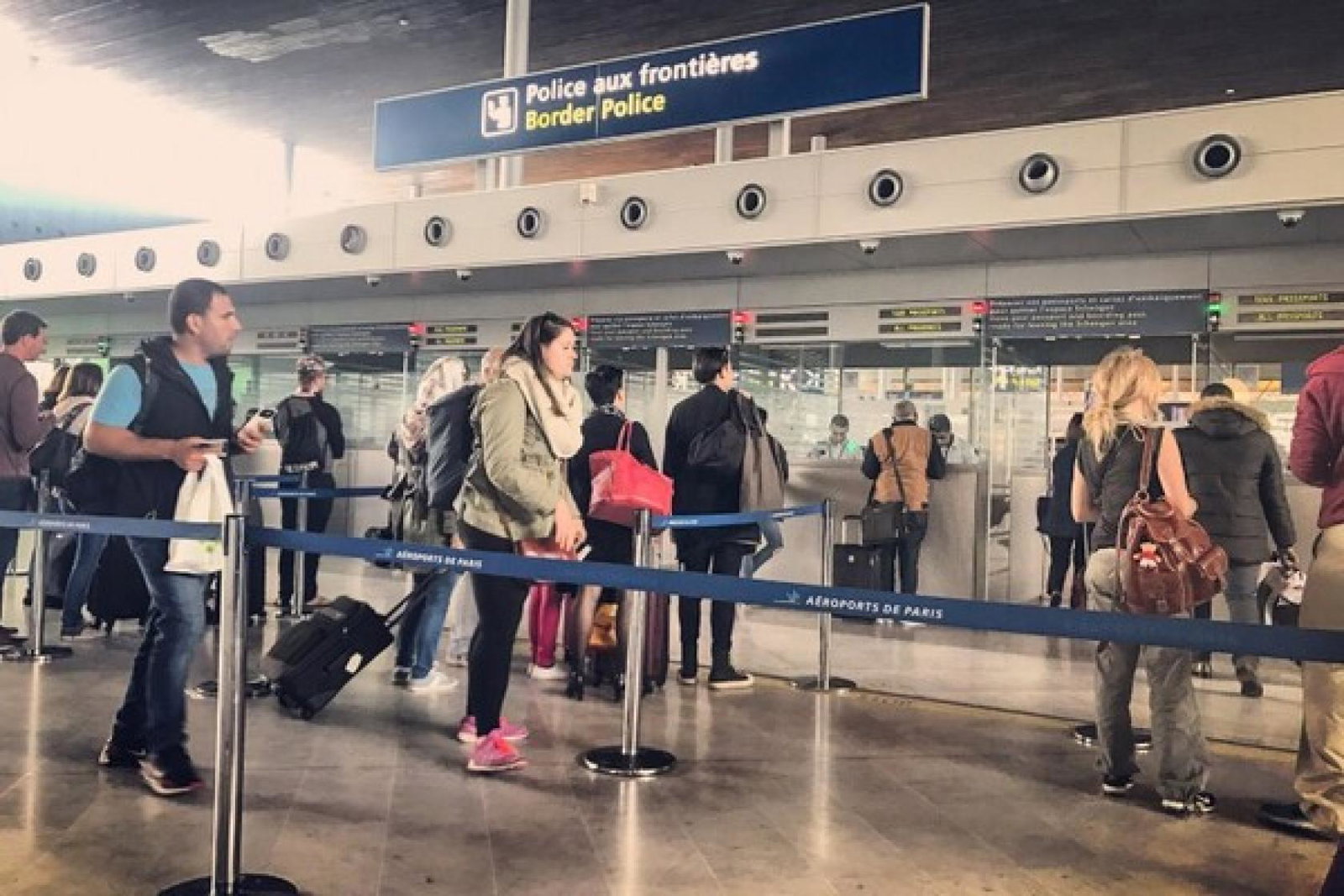
The EU on Monday (21 July) confirmed its long-awaited Entry-Exit System (EES), which will replace passport stamping, will go live on 12 October – two weeks before schools break up.
UK travellers will be required to register fingerprints and facial biometrics at EU airports and at Dover, Folkestone and Eurostar’s St Pancras terminal the first time they travel following the launch. These details will remain on file for three years.
However, it is unclear how much of an impact there will be, as the EU has said introduction will be phased until spring 2026, with the system becoming fully operational at all EU borders from 10 April 2026.
Julia Lo Bue-Said, Advantage chief executive, said: "Now there is an official start date in October for the roll-out of the Entry-Exit System for British travellers visiting the EU, it is essential there is a smooth and efficient process for border staff to implement the new measures in order to minimise any possible disruption faced by travellers on their journeys.
“With the October half-term following soon after, we are anticipating high demand for travel, which could see significant delays if border staff have not received the necessary preparation to adjust to the new processes.”
Her concerns were shared by Abta chief executive Mark Tanzer, who called for “clarity” for the industry. “In the run-up to EES phased implementation, it is important there is a clear communication plan from both the EU and the UK government, so UK travellers know what’s expected of them and to build confidence in the new process,” he said.
“Abta will also share relevant materials with our members to help build awareness, including on our dedicated EES and ETIAS webpages.”
Lo Bue-Said added it was unclear which destinations would adopt the systems first. She added she did not expect EES to impact on the “incredibly strong demand” for travel this year from consumers”.
Separately, the EU has also stated the European Travel Information and Authorisation System (Etias) will start sometime between October and December 2026. Lo Bue-Said blasted the decision to almost triple the fee initially proposed for the visa waiver scheme.
She said: “It is incredibly disappointing to see the significant rise in cost, almost tripling in price from £6 to £17 before it has even been implemented.
"For many travellers, especially university students, families, and budget-conscious tourists, this sharp increase adds an unnecessary burden and makes travel to Europe less accessible.
"A move like this undermines the spirit of open travel and feels more like a revenue grab than a justified policy change."