The budget airline’s decarbonisation plan, Pathway to Net Zero, bases the bulk of the strategy – 34% – on the increased use of sustainable aviation fuels (SAF).
The airline said another 32% would be gained through unspecified “technological and operational improvements” and 24% from “offsetting and other economic measures”. The final 10% would come “through the introduction of better Air Traffic Management”.
Ryanair is working with the EU and fuel suppliers to accelerate the supply of SAF, of which there is currently very limited supply. The carrier has established the Ryanair Sustainable Aviation Research Centre in partnership with Trinity College Dublin to examine SAF, zero-carbon aircraft propulsion systems and noise mapping.
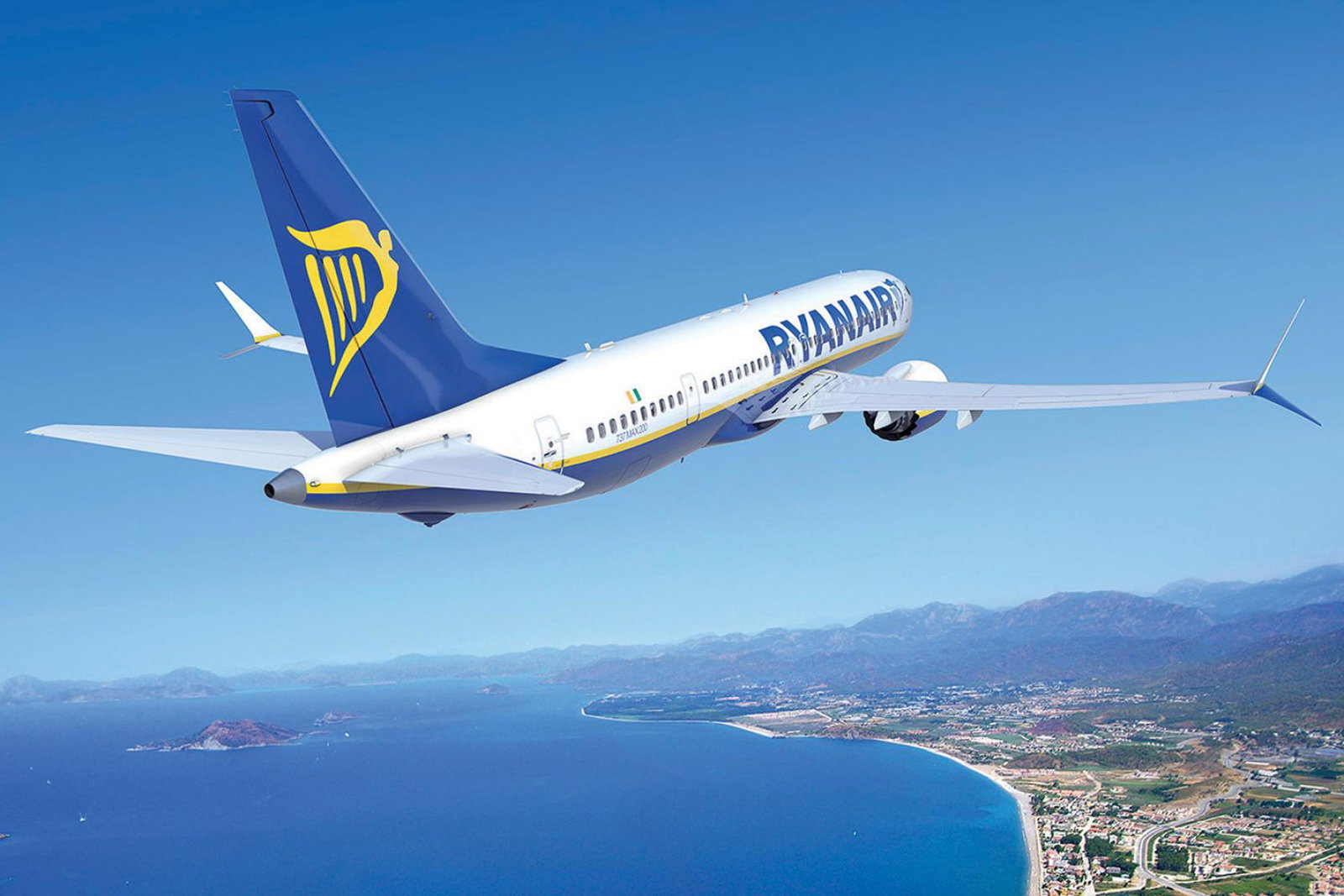
The airline includes its $22 billion order for new aircraft as part of its strategy. The 210 Boeing 737 Max aircraft – now known as the 737-8200 – reduces fuel consumption and CO2 by 16% compared to previous models.
Ryanair is also lobbying for reform of air traffic control to enable more direct routes to airports and less “stacking”. It estimated this would see an “immediate 10% reduction in European aviation carbon emissions”.
Ryanair’s Director of Sustainability, Thomas Fowler, said: "We are working tirelessly with our team and strategic partners to lead the way in making aviation more sustainable. We were delighted to be upgraded to a ‘B’ rating by the Carbon Disclosure Project this year, recognising our commitment to reducing our environmental impact.
“While we’ve already come a long way, we will continue to lead the sustainable aviation agenda in European aviation as we embark on our ambitious Pathway to Net Zero by 2050.”