The Financial Reporting Council (FRC) fined auditors EY £6.5 million, discounted to £4.875 million for admissions of guilt, together with a £140,000 fine on EY partner Richard Wilson, reduced to £105,000.
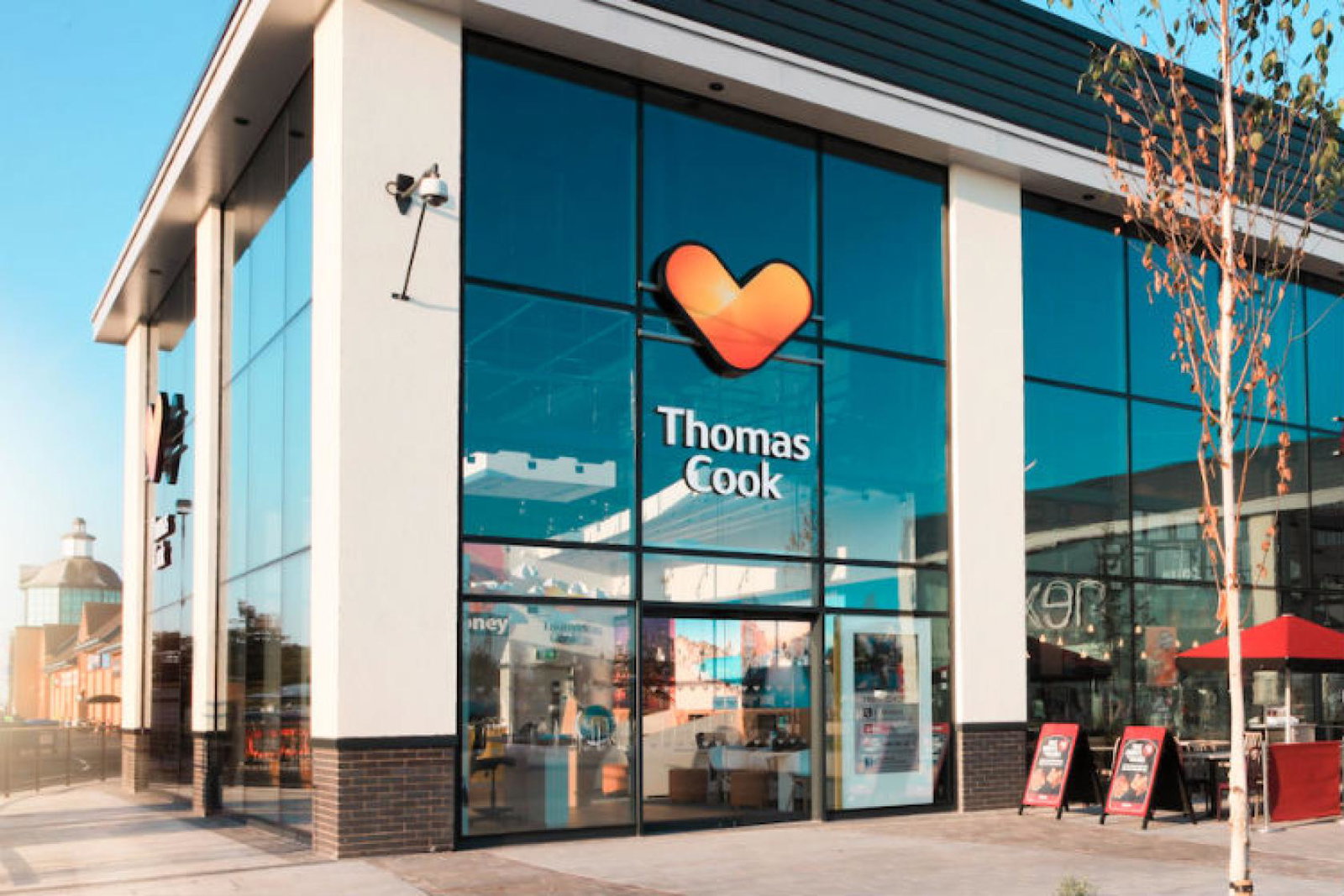
The sanctions relate to audits of Thomas Cook Group for the financial years ending 30 September 2017 and 30 September 2018. Cook collapsed in September 2019.
Auditors must give a view as to whether a business is a viable going concern; the FRC ruled the 2018 audit was inadequate.

“EY and Mr Wilson failed to adequately challenge management with regards to sensitivity testing, liquidity and financial covenant headroom, and as such were not in a position to properly conclude on whether a material uncertainty existed that might cast significant doubt upon Thomas Cook’s ability to continue as a going concern,” it said.
“This was a key responsibility that EY and Mr Wilson did not fulfil adequately under the relevant auditing standards and was an important matter to users of the financial statements.
“Ultimately, as a result of the breaches by EY and Mr Wilson, both audits failed in their principal objective: that of obtaining reasonable assurance that the financial statements were free from material misstatement.”
It added Thomas Cook’s £2.6 billion goodwill balance was “significant” as it comprised approximately 40% of total assets.
“In both audit years, EY and Mr Wilson failed to approach this audit area with sufficient professional scepticism in order to properly corroborate management’s assumptions and estimates supporting the goodwill impairment model, the FRC said.
“The failings for the audit of goodwill in 2018 were particularly serious given Thomas Cook’s deteriorating trading performance, which heightened the risk that the goodwill balance could be impaired.”
Claudia Mortimore, the FRC’s deputy executive counsel, said: “Thomas Cook’s goodwill balance and going concern status were fundamental to its financial position and performance.
“EY and Mr Wilson were subject to a public interest duty to comply with auditing standards and robustly challenge the forecasts and assumptions that underpinned Thomas Cook’s valuation of goodwill.
“Similarly, in relation to going concern, they should have exercised sufficient professional scepticism and obtained sufficient corroborative evidence to satisfy themselves that Thomas Cook’s low liquidity headroom and financial covenant risks had been reduced to an appropriate level.
“The failings in 2018 are particularly serious given Thomas Cook’s financial position and the heightened risks surrounding the audit work.”
Following Thomas Cook’s collapse in September 2019, the brand was bought by Chinese tourism group Fosum, which relaunched it as an OTA. Last year, it was acquired by Poland’s eSky Group.