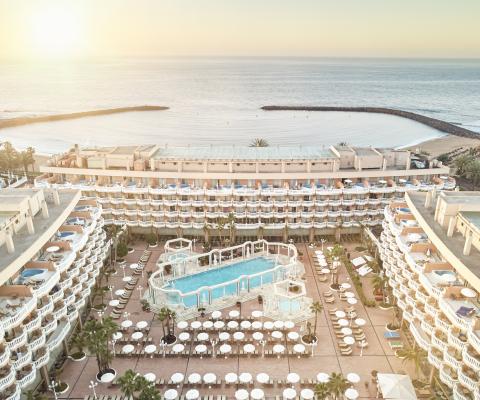
If you had to name one destination in every mainstream operator’s sight this summer, it’s Turkey.
Despite soaring inflation and its proximity to some of the world’s trouble spots, UK consumers are flocking there following significant investment by the likes of Jet2 and Tui, and new airlift from Turkish carriers like SunExpress, Pegasus, Ajet, Mavi Gok and Corendon.
Pre-Covid, 2.5 million Britons would visit; last year, this figure had grown by nearly another two million, making the UK Turkey’s third-largest market behind Germany and Russia.

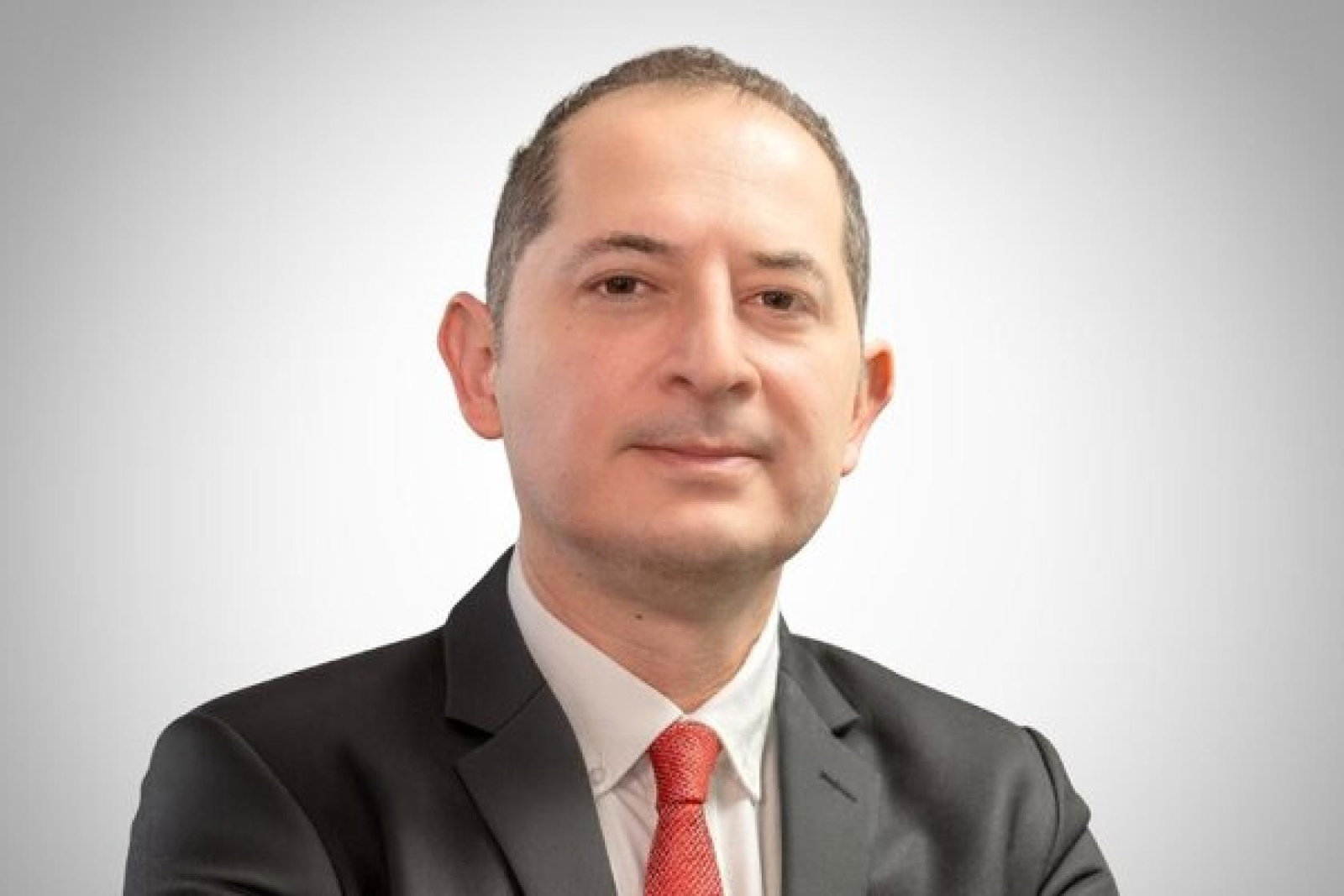
Sinan Seha Turkseven, acting general manager of the Turkey Tourism Promotion and Development Agency, is quick to rebuff predictions of seat dumping this summer.
“We’re still early in the summer, but we see UK visitation continuing to grow,” he says, stressing flight capacity from the UK increased by only 3% year-on-year in the first nine months of 2025.
“In the past few weeks, several operators have announced additional capacity to cater for increased demand.”
Reasons for cheer
Turkseven believes there is a simple formula that elevates Turkey’s appeal beyond one based purely on price – its hospitality, food, range of hotels, high standards of service, and the frequency and duration of flights.
“We are seeing strong demand for classic summer destinations like Antalya and Mugla, and Istanbul for cultural visits. It also pleases us to see increasing UK demand for other destinations such as Izmir, Aydin and Cappadocia, which have all seen double-digit growth from 2023 to 2024.”
A focus, he says, will be on promoting those destinations not yet on UK visitors’ radar such as the Black Sea coast and its southeastern region. “We believe we can continue to grow arrivals from first-time and repeat UK visitors.”
He adds the situation in the Middle East and Turkey’s proximity to Syria has not affected visitor numbers, claiming demand from some markets is increasing as air traffic to the Middle East falters. “Travellers from the UK can feel assured and safe travelling to our country.”
Widening appeal
Turkseven argues efforts to lengthen Turkey’s season, with coastal hotels now staying open well beyond October, plus the range of product offered, means the country can absorb more visitors.
“Extending the summer season has broadened Turkey’s appeal, introducing more temperate seasons to visitors who might not opt for high summer – we’ve seen several major operators do this in recent years,” he explains. “This has led to many hotels opening earlier, driving more choice for visitors during periods such as Easter.”
Agents, he says, are “an integral part of the UK travel eco-system” and have a role to play explaining lesser-known areas. “Their knowledge of the range of products Turkey offers is crucial.
“There are 81 provinces in Turkey, many with unique histories, geographies, cuisines and experiences. For those looking for an experience away from the beach, cities like Konya in central Turkey are steeped in history and Sufi mysticism, and can provide a more relaxed city break.
“The Black Sea region of northeastern Turkey blends mountain scenery and seaside towns, while a little further afield than Istanbul or Bodrum, it will provide a unique and memorable holiday for UK guests.
“Our primary strategy for developing our tourism sector is to diversify our source markets and destinations while spreading demand throughout all 12 months of the year. This is helping us avoid any risks of overtourism, which I believe is an important factor for our visitors from the UK.”