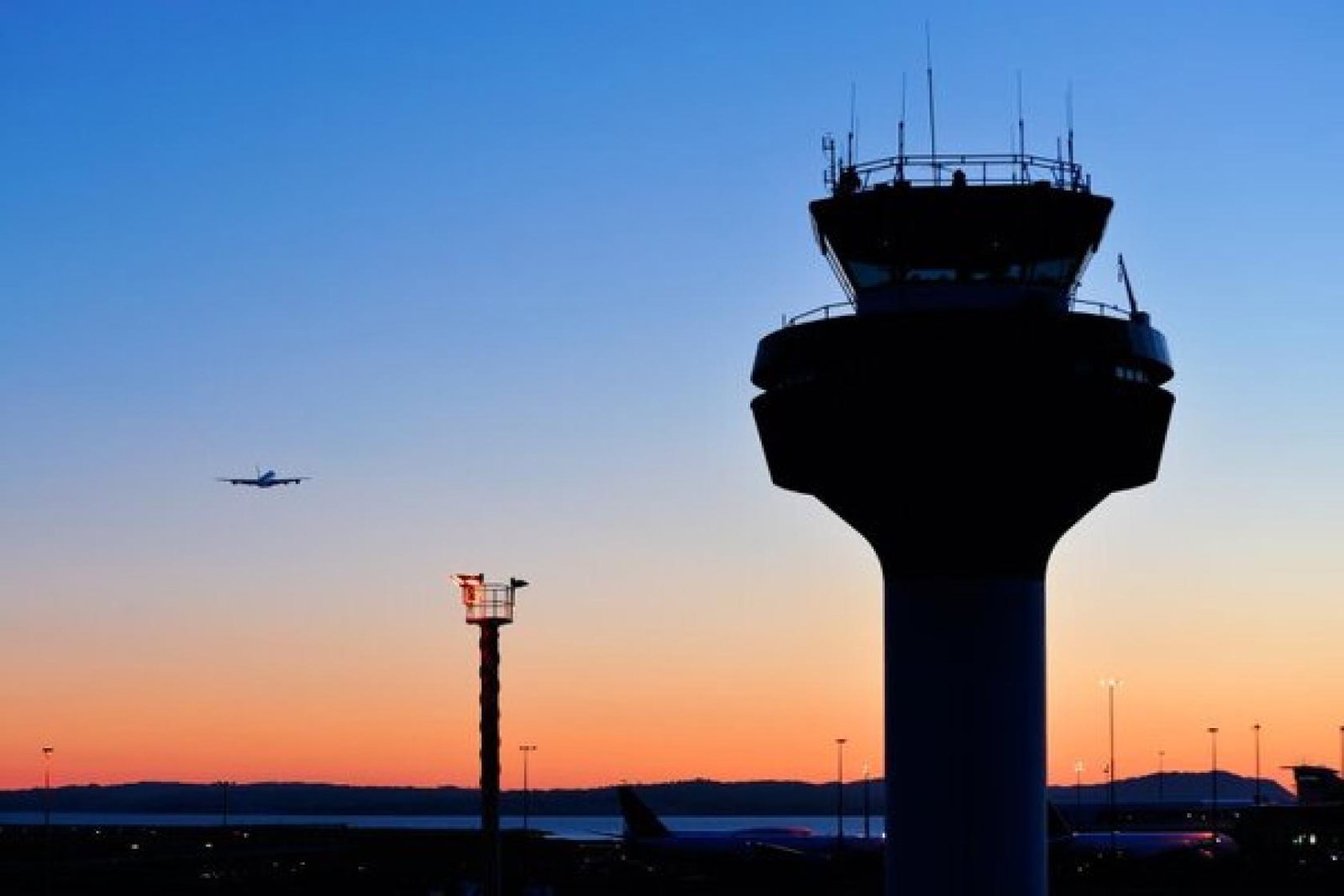
Iata’s UK and Ireland area manager Lara Maughan said summer resilience was a key theme for airlines, who are keen to avoid a repeat of 2024’s air traffic control delays.
These were due to a shortage of UK and European air traffic controllers and inefficient use of Europe’s air space, with Gatwick among airports particularly affected.
Last year, one in three European flights was delayed on departure while more than a quarter – 27.5% – arrived more than 15 minutes late, according to data from Eurocontrol.

Speaking at the Abta Aviation Forum on Thursday (3April), Maughan warned: “There are a number of issues that mean this summer might be as bad as last year or worse.”
She said the squeeze on airspace, a particular issue in the south-east and over Europe, “has not drastically been changed”. “Air traffic resource issues, particularly in Europe, are still there," she told delegates.
"Things like night curfews are really compounding the issue,” she continued, calling for more flexibility when delays occur. “Airlines are really keen to get a more robust message out that getting passengers where they want to be on the day is better than cancelling,” she added.
Maughan said Iata welcomed the messages coming from the new government on the industry, highlighting a distinct change in stance on aviation since the election, with generally more positive statements coming from Downing Street.
“The government has totally bought into the role aviation has in terms of growing the economy,” she said.
The industry has started the year in good shape. Global airline bookings have been higher every month so far this year compared with 2023. “That is quite significant because there was pent-up demand, so we are still growing on top of that.”
However, she claimed the UK’s Air Passenger Duty meant “fewer routes being opened”, with regional connectivity being hindered.
Despite this, she said the UK was still the largest market in Europe and was growing at around 4%. However, Turkey was leading in percentage terms, with a “massive” near 35%.