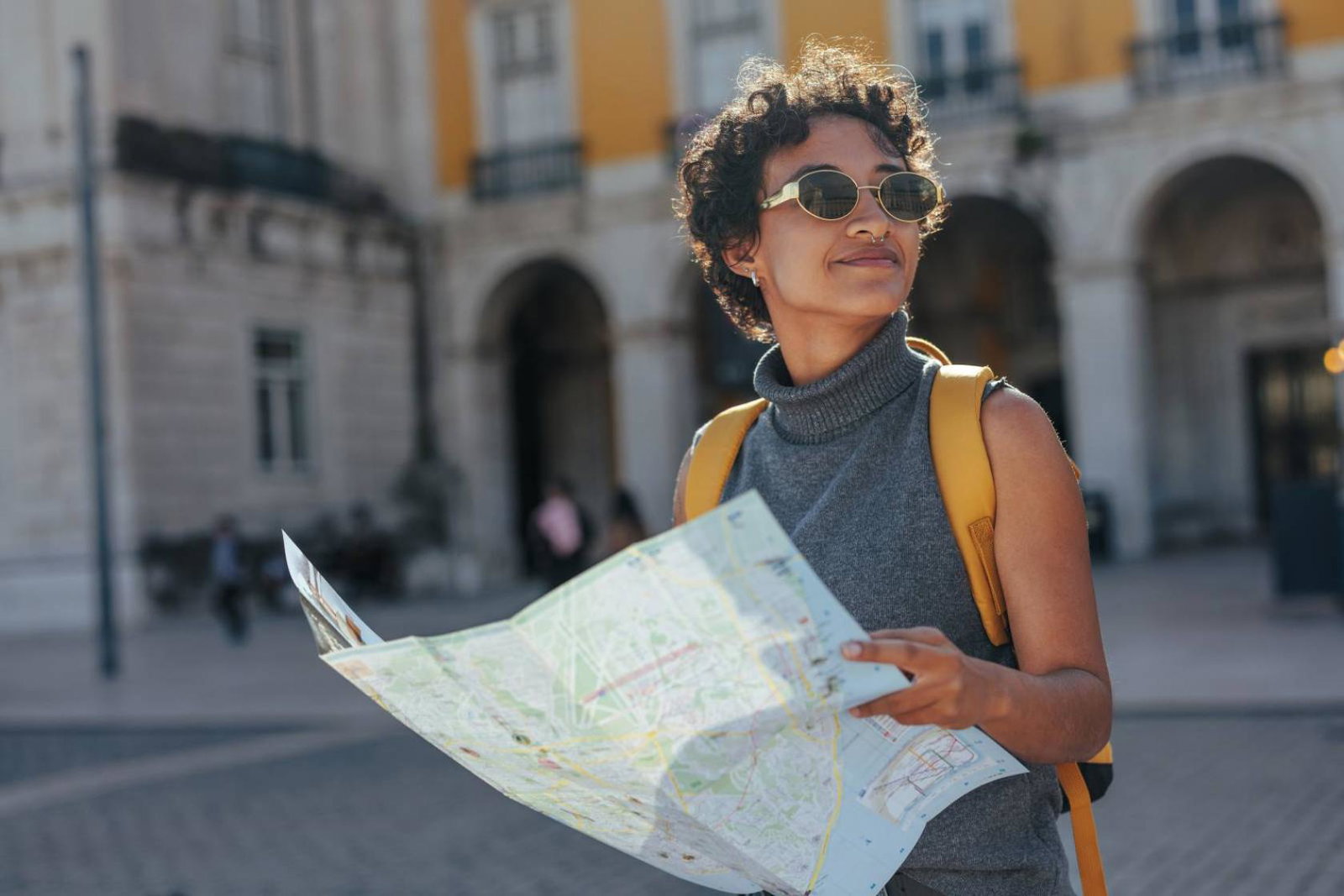
The She Travels Safe initiative has been launched by the Safer Tourism Foundation, supported by new traveller research and industry incident data highlighting differences between how men and women experience safety while travelling.
Analysis of safety reports from UK-based travel operators, covering more than 10 million trips taken by UK travellers annually, found a 60% rise in reported incidents of sexual harassment and assault in 2024.
Separate polling of 2,000 UK travellers found almost one in four women (23%) have experienced unwanted attention or harassment while travelling.

Safer Tourism Foundation said the figures illustrate a "different risk environment" for female travellers, despite overall travel being safe for most people.
Rise in reporting – but also incidents
Katherine Atkinson, chief executive of the Safer Tourism Foundation, believes the significant rise has a "combination of drivers". "It is almost impossible to unpick fully, but it does point towards a real rise in the number of incidents occurring," she said.
However, Atkinson believes the industry "shouldn't be afraid" of these results. "The increase in reporting is very welcome, as it moves us closer to a true picture of what is actually happening," she said.
"It also alerts travel providers to issues they can potentially address through supplier changes or more detailed customer communication."
Women more likely to risk-manage when travelling
The research, conducted via OnePoll in November 2025, also found women are more likely than men to take additional steps to manage risk when travelling.
Almost two-thirds (63%) of women said they buy travel insurance to feel safer compared with 54% of men, while women are also more likely to carry written emergency contact numbers and printed copies of travel documents.
Women are also more likely to plan arrivals during daylight hours, with 36% deliberately booking flights or trains to arrive in the daytime, compared with 28% of men.
More than half (53%) said they keep friends or family updated while travelling.
'Avoidance tax' shapes travel itineraries
While 40% of travellers said they had not experienced any safety challenges while travelling, the types of incidents reported differ between genders.
Almost one in four women (23%) said they had experienced unwanted attention or harassment, compared with 15% of men, who were more likely to report issues such as theft, scams or accommodation security concerns.
However, the most significant gap emerged in behaviours travellers avoid to stay safe.
Nearly two-thirds of women (64%) avoid walking back to accommodation alone at night, compared with 43% of men. More than half (56%) avoid certain areas of a destination considered dangerous for female travellers, while 48% avoid exploring destinations at night.
More than a quarter (27%) also said they avoid taking taxis or private car transfers with male drivers.
The foundation described these adjustments as an "avoidance tax", reflecting the extra steps women often take to feel safe while travelling.
Solo female travellers on the rise – but unsatisfied
Despite these concerns, solo travel among women continues to grow, with industry estimates suggesting women account for between 75% and 84% of solo travellers.
The research also suggests a gap between what women expect from travel providers and what they currently receive.
Around 88% of women polled said it is important for travel companies to take proactive steps on safety, yet only around half said they were satisfied with the safety information they currently receive.
Among the most requested improvements were 24-hour support helplines (60%), more detailed safety guidance for specific trip types (51%) and clearer information about accommodation security (49%).
Atkinson added that empowering women to travel safely should be a shared goal across the industry.
"Ultimately, we want women to feel empowered to travel and for travel operators and agents to arm them with suitable information and reporting tools," she said.
Women's safety a 'business no-brainer'
The She Travels Safe initiative will provide practical guidance for travellers, bystander intervention advice and safety information designed to help women plan and travel with greater confidence.
Atkinson insisted that travel companies also have a role to play in improving women's safety abroad.
"Women are not asking for anything unreasonable," she added. "They want clear information, proactive communication, and to know the company they have booked with has thought about their safety and will support them if the worst happens.
"Women are not going to stop travelling, so making female safety a priority issue is a business no-brainer."