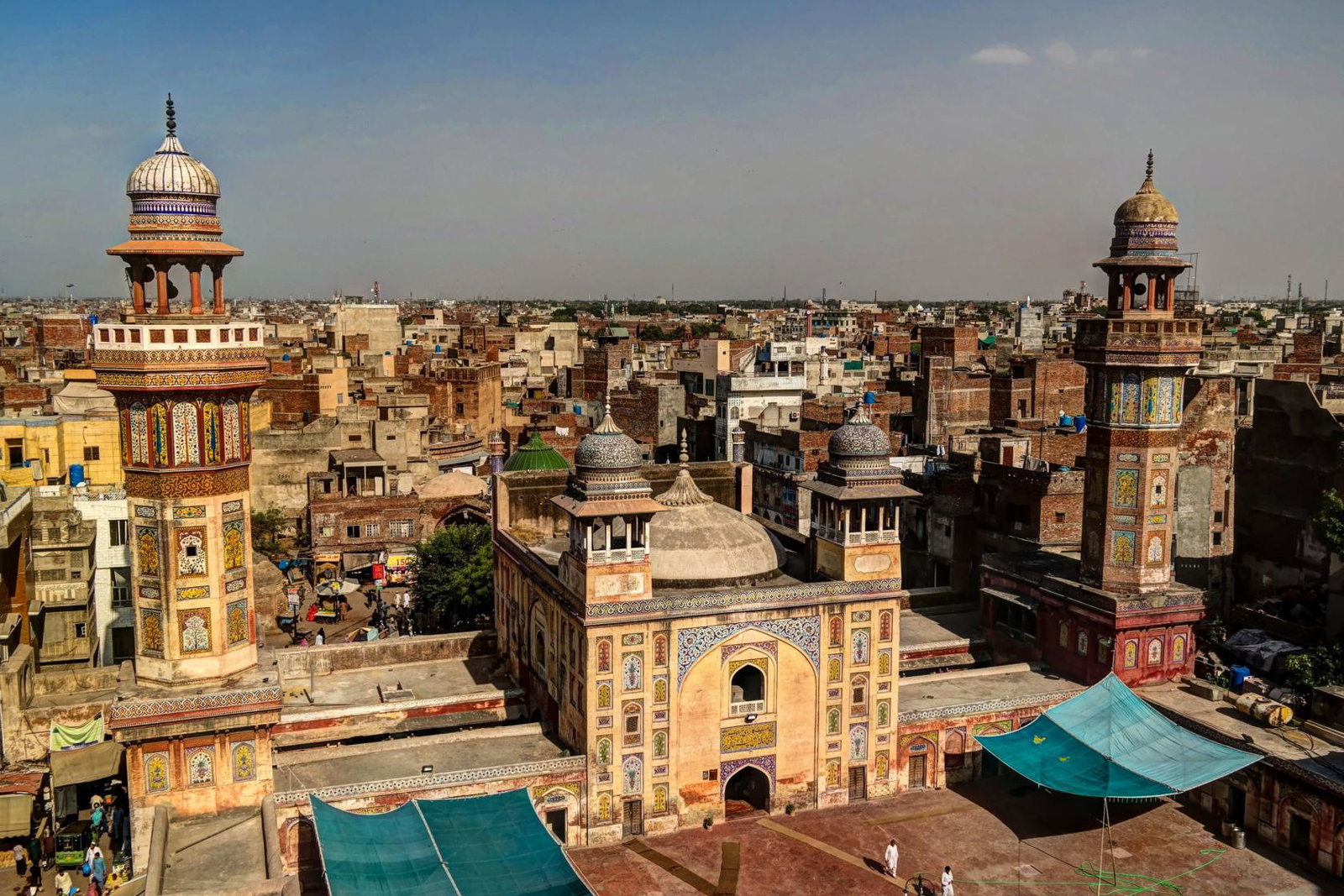
Speaking at the Halal Travel Network’s summer event at the Embassy of Uzbekistan in London, Maximum Exposure founder Sophie Ibbotson said Pakistan and Turkmenistan now "occupy a similar position to Uzbekistan five to 10 years ago".
She argued the two countries offer significant opportunities for travel businesses looking for new products. "If you are catering to tourists who are curious about what is going to be the next big thing in tourism, those are the two places I would look at," she said.

Pakistan's introduction of e-visas in 2019 and improved air access have helped remove barriers to travel, according to Ibbotson, while regional connectivity is also creating new opportunities. She highlighted Tashkent's ambitions as an aviation hub, noting travellers can reach destinations including Dubai, Delhi and Moscow "within three hours".
Joanna Marsh, Head of Communications at HalalBooking, added geopolitical uncertainty was partly to credit for the surge in interest. "One of the reasons Pakistan is becoming more popular for us is because people are looking for holidays outside the Middle East," she said.
She cited Bosnia as another growing market and described the UK as an "emerging destination" for HalalBooking customers because of its extensive "Muslim-friendly" infrastructure and services.
'Muslims like to travel – not always for religious reasons'
The discussion also focused heavily on the commercial opportunity presented by Muslim travel, which speakers argued remains "widely misunderstood" by destinations.
Marsh said the sector should be viewed through the lens of traveller needs rather than religious tourism. "Muslims like to travel. They're not all travelling for religious reasons," she said. "Sometimes they go to see wildlife, they go to do an adventure holiday or because they love art."
Marsh said the company increasingly refers to Muslim travel requirements as "lifestyle needs", encompassing factors such as halal food, alcohol-free environments, privacy and suitable leisure facilities.
She claimed many destinations already possess suitable products for Muslim clients but fail to identify or market them effectively. Examples discussed during the session included hotels with non-alcoholic options, private spa facilities and gender-specific swimming or wellness hours.
"Many hotels assume they don't have anything to offer because they lack formal certification," she said. "In reality, they already have facilities valued by Muslim guests. It's about giving people information so they can make their own decisions."
Ibbotson added Muslim travel represents a significant growth opportunity for destinations and suppliers. "This is a massive market," she said. "Anybody who’s looking seriously at tourism as a whole should be looking at this."
'Your website may never be visited by a human'
The discussion also turned to changing consumer behaviour and the impact of artificial intelligence on destination marketing. Ibbotson warned businesses can no longer rely solely on traditional websites and brochures.
"There's a chance your website may never be visited by a human, and instead have its information pulled by Google bots," she said.
She argued destinations, operators and agents must ensure information is structured clearly so that it can be "easily extracted" by search engines and AI tools.
"If someone searches 'Halal family holidays in Pakistan', you want AI to suggest your website over others," she said. "That's the future of tourism marketing."