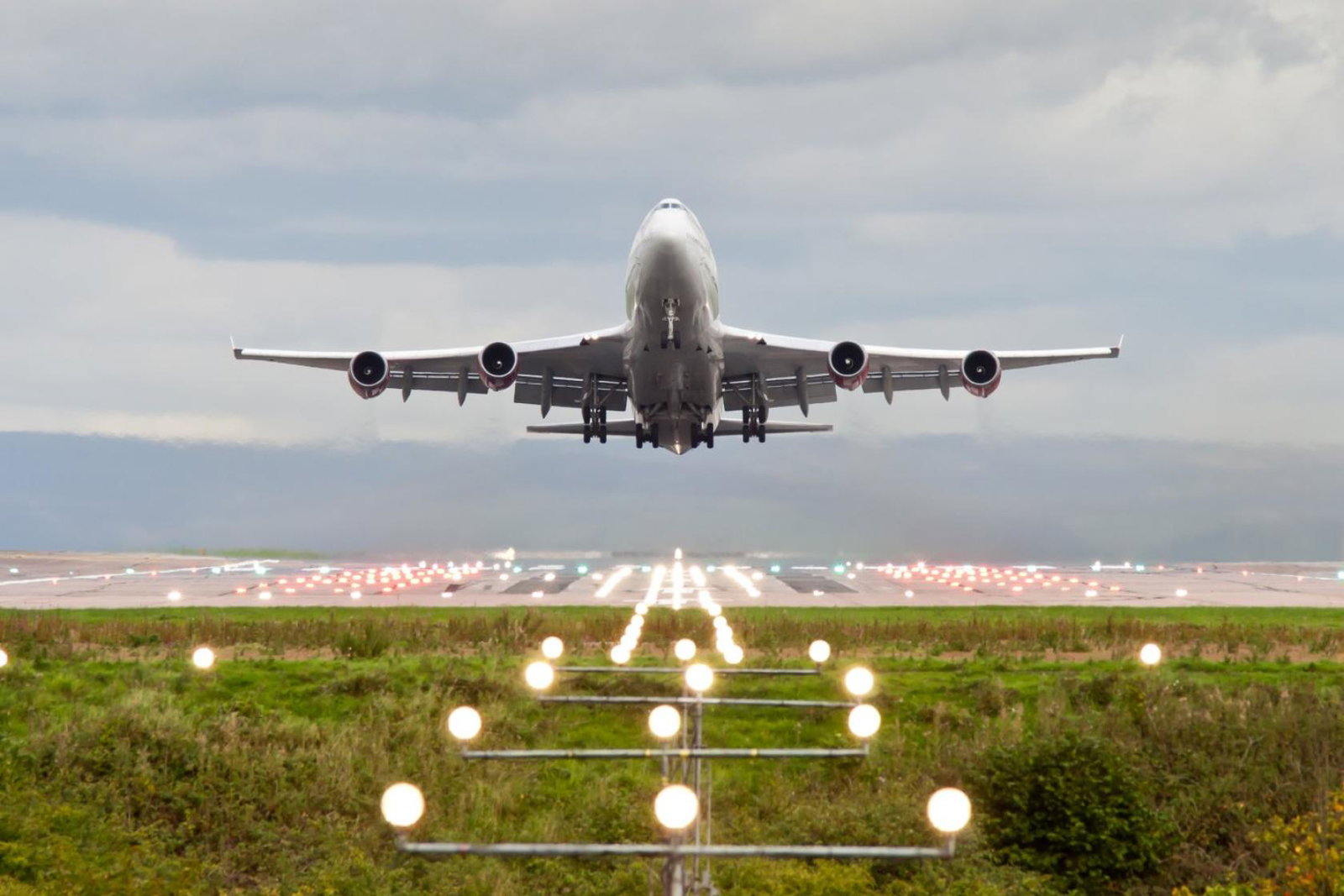
Parliament’s Environmental Audit Committee, which is made up of 16 MPs – half of them from the government – has cast doubt on whether expansion at the likes of Heathrow and Gatwick can be balanced against reducing emissions.
The group said the industry can't be left to pursue decarbonisation on its own, and warned new technologies won't be a silver bullet.
Toby Perkins MP, who chairs the committee, said: "The aviation industry is critically important to the UK, but it’s also one of the hardest sectors of our economy to decarbonise.

"The government has made clear it is set on expanding airport capacity; the committee has investigated how it can do that while meeting its own environmental targets."
He warned: “Under the government’s existing Jet Zero Strategy, expanding airport capacity is likely to put net zero at serious risk, unless it is accompanied by a serious strategic approach to increasing the pace of decarbonising aviation.”
Government insists final decision on Heathrow expansion will be made 'within this parliament'
The committee’s report, Airport Expansion and Climate and Nature Targets, says the government has “so far failed to provide substantial supporting evidence” that expanding airport capacity will help grow the economy.
The report also questions the wisdom of more expansion in the London area, saying the government “should consider wider growth and planning across the whole of the UK”.
MPs single out Heathrow as a source of pollution, saying more flights will make it “harder for governments... to deliver on air quality targets”. The committee said air quality limits should be set in areas bordering airports and any expansion should not breach them.
It added: “We recommend the government consider incentivising airlines to utilise airplanes that use technology or techniques that reduce such emissions.”
Consultation, it said, should happen in the next six months to examine the “feasibility of reducing the age of the fleet”.
Perkins said measures like these were necessary with the government “having ruled out the kind of demand management measures likely to seriously reduce emissions”.
'New tech promising, but not ready yet'
The report argues expanding the number of flight paths to reduce congestion at airports – another government strategy - will only mean more local residents affected by noise.
It also says flying is “artificially cheap” because it does not pay a direct carbon tax or VAT on fuel and benefits more from the Emissions Trading Scheme than other polluting industries.
Perkins said ministers now needed to make clear what alternatives they were proposing to cut emissions rather than rely on unproven future technology.
“New technological developments are promising and may in time provide an alternative route forward," he said. "But are they yet ready to be the basis for justifying this level of aviation expansion?” he asked.
He concluded decarbonisation was too great to be left to the industry, saying “only government has access to some of the tools needed”.
“It’s time for the government to step up and take responsibility for its own targets – I’m concerned that the alternative is a lose-lose scenario that leaves a dynamic net zero economy out on the runway.”