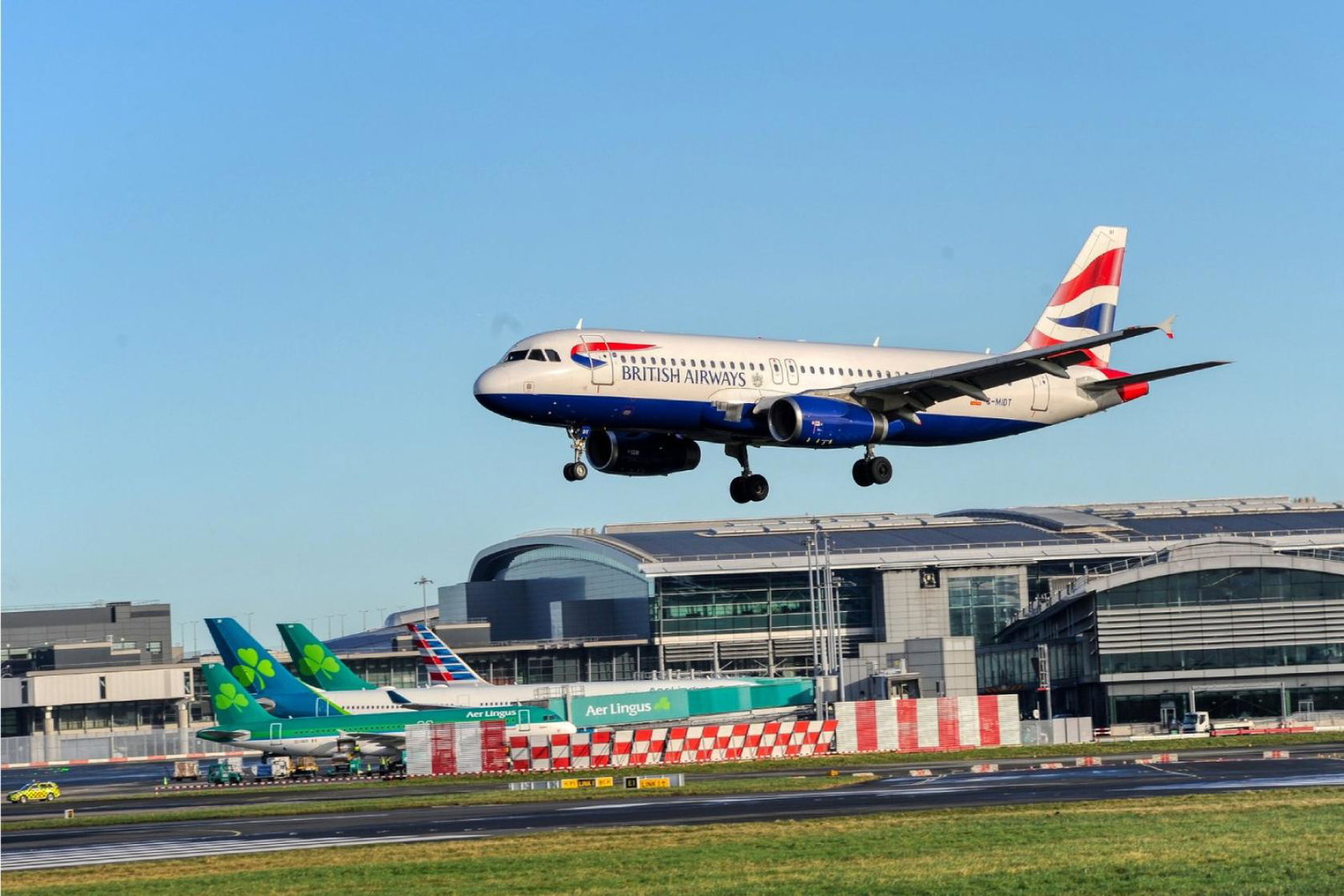
The company, which also owns Irish carrier Aer Lingus, said the transatlantic market was “a major area of strength” for its airlines, despite passenger unit revenue for these flights falling by 7.1% year-on-year during the third quarter of 2025 (three months to the end of September).
"As expected, the North Atlantic market saw some softness in US point-of-sale economy leisure and unit prices across our airlines were lower in the European market due to a combination of high growth by British Airways and more competitive markets elsewhere,” said IAG in its results announcement on Friday (7 November).

Despite the transatlantic challenges, BA increased capacity to North America by 2.4% year-on-year in the quarter, while Aer Lingus added 7% more capacity as it deployed its new Airbus A321 XLR aircraft on more routes from Ireland to “secondary destinations” across the Atlantic.
BA also added more capacity on leisure routes in Europe and to the Africa, Middle East and South Asia region this summer, but the airline cut capacity to both Latin America and Asia Pacific.
“Demand for travel remains strong. We are well positioned, with a strong business model with great brands and a best-in-class network, whilst being mindful of the macroeconomic and geopolitical backdrop,” added IAG.
During the first nine months of 2025, BA added 2% capacity year-on-year and filled 83.8% of its seats – down 1.5 percentage points on the same period of 2024. Aer Lingus increased capacity by 7.6% year-on-year and achieved a load factor of 80.8% over the same timescale.
Both BA and Aer Lingus increased operating profit during the first nine months of the year, with BA’s profit up by 18% to £1.64 billion, while Aer Lingus achieved a 69% rise to €250 million.
As a company, IAG made a post-tax profit of €1.4 billion for the July-September quarter, down by 2.3% year-on-year as revenue remained flat at €9.3 billion.