Travel spend declined by 5.7% year-on-year during the month – a deeper slowdown than March’s 3.3% drop – while airline spending dipped 8.3%.
Travel agents also saw spending fall by 7.5%, despite transaction volumes increasing 5.9%, suggesting consumers are continuing to shop around for value and spread payments more cautiously.

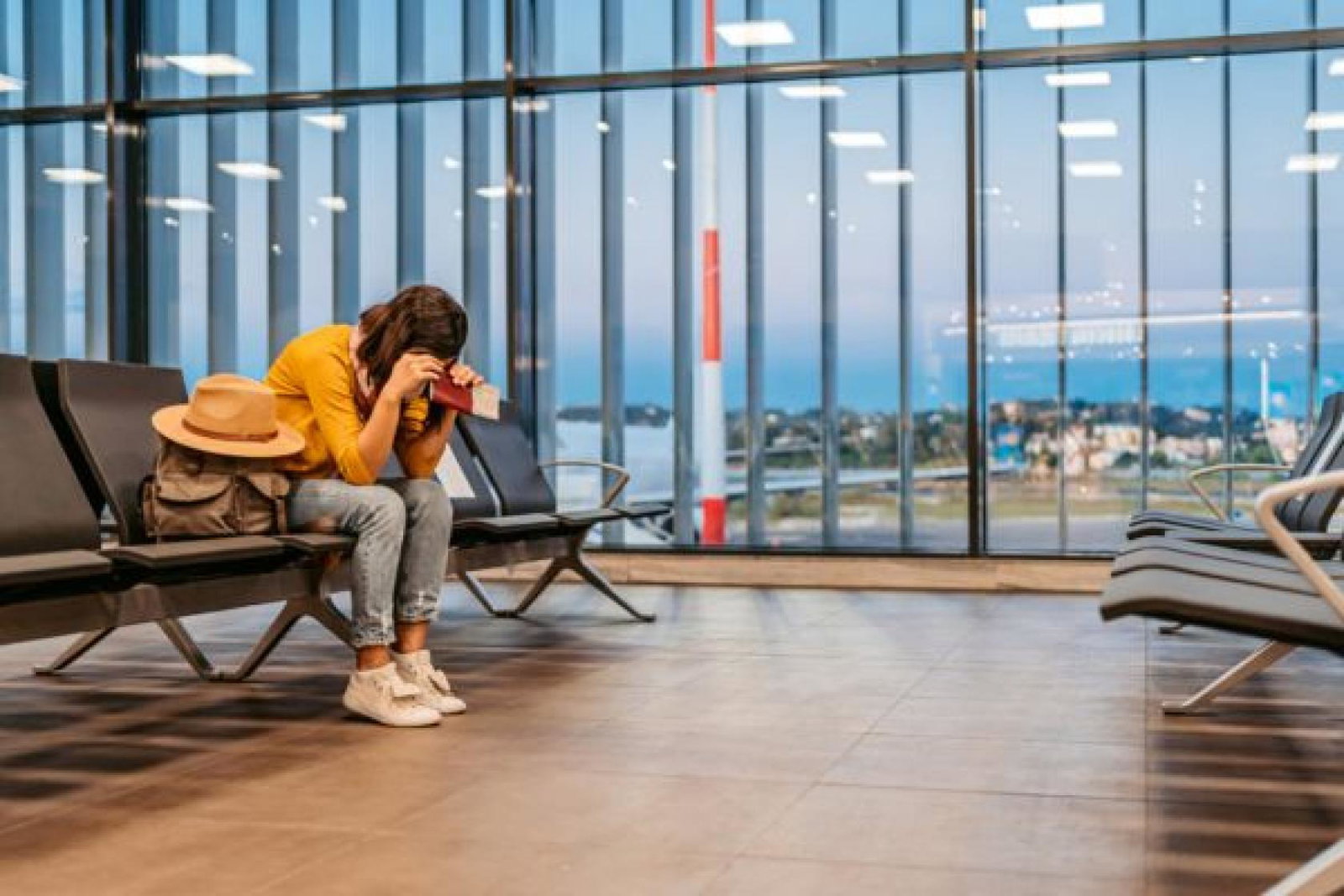
It comes as 70% of consumers said they were concerned about rising travel costs, while 62% cited fears over disruption linked to tensions in the Middle East. One in six consumers said they were delaying holiday decisions until the outlook becomes "more stable".
Domestic travel to benefit from consumer anxiety
Barclays' research also highlighted signs of resilience in the market, with 13% of consumers saying they still plan to prioritise holidays this year despite financial pressures.
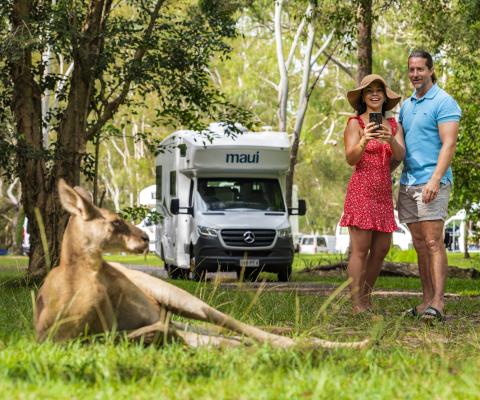
Domestic tourism also appears likely to benefit from the uncertainty, with one in five consumers planning a UK staycation in 2026. Among those choosing to holiday closer to home, 43% said saving money was the main driver, while more than a third (35%) pointed to reducing uncertainty and 24% said they wanted to avoid air travel altogether.
The wider Barclays Consumer Spend report, which combines hundreds of millions of card transactions with consumer research, showed overall consumer card spending fell 0.1% year-on-year in April – the first monthly decline in over a year (November 2024) and below the latest CPIH inflation rate of 3.4%.
'If confidence remains subdued for too long, it will be a challenge'
The figures suggest continued pressure for the travel industry heading into the summer season, particularly for long-haul and other air-dependent travel. At the same time, demand for value-led products, flexible booking options and domestic tourism is expected to remain comparatively strong.
Elsewhere in hospitality and leisure, spending on hotels, resorts and accommodation fell 2.4%, while spending on eating and drinking remained broadly flat at 0.2%.
Jack Meaning, Chief UK Economist at Barclays, said consumers were already adapting to economic uncertainty by building savings and cutting discretionary spending.
"The key unknown for the UK outlook is how long this uncertainty will last," he said. "If confidence remains subdued for too long, and consumers continue to limit their spending as a result, it will be a challenge for households and businesses to weather the storm."